Emma Amit, a 51-year-old food influencer, died on February 6 after eating a toxic species of crab known as the "devil crab." The incident occurred near Puerto Princesa in Palawan, Philippines, prompting authorities to issue renewed warnings about consuming unfamiliar marine life. Amit had been filming herself harvesting and consuming the crab for social media content.
The events leading to Amit's death began on February 4, when she and friends were gathering shellfish in a mangrove forest. Shortly after consuming the devil crab, she began exhibiting severe symptoms of neurotoxin poisoning. Reports indicate her lips turned dark blue, she convulsed, and experienced difficulty breathing. She was taken to a local clinic and then a hospital, where her condition rapidly worsened. She was declared dead on February 6, two days after the meal.

Circumstances of the Incident
Amit, known for her food-related online content, resided in Luzviminda Village near Puerto Princesa, an area known for its mangrove forests where shellfish are common. On February 4, she engaged in an activity with companions to collect crabs and shellfish. This excursion was reportedly part of her efforts to create content for her social media followers, showcasing local seafood and culinary experiences.
Read More: Philippines uses Starlink satellites for cell service
Investigation points to the devil crab as the likely cause of death.
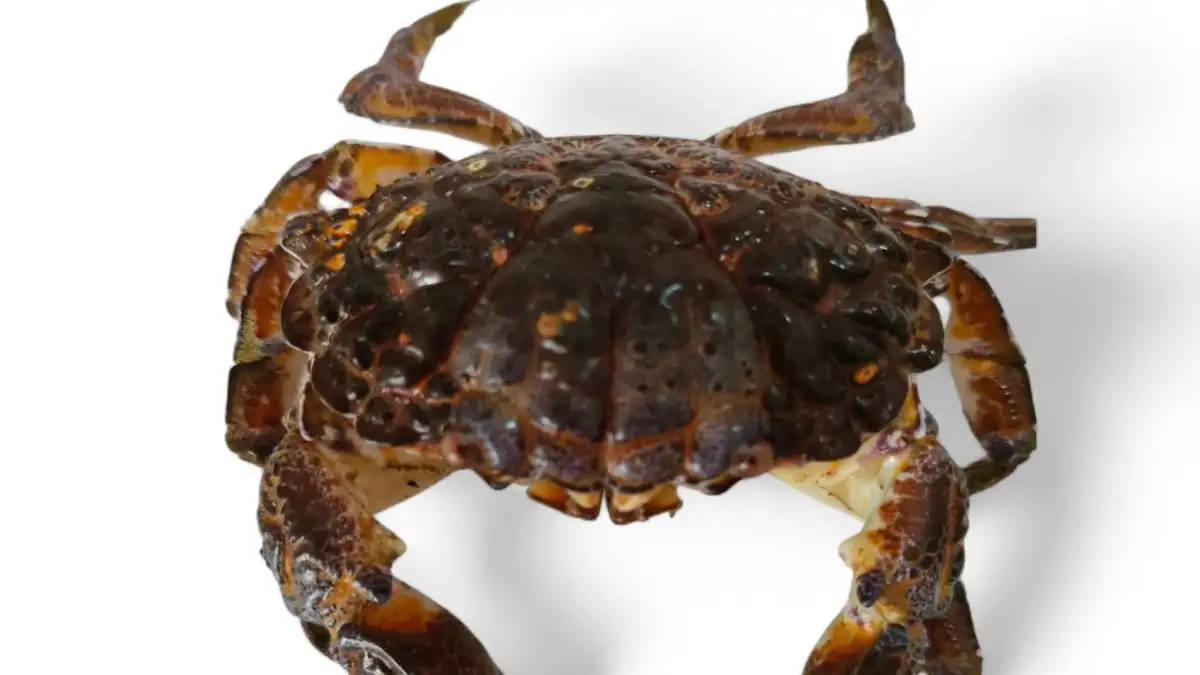
Brightly colored shells consistent with the devil crab were found at Amit's home, acting as circumstantial evidence.
The rapid onset of severe symptoms, including blue lips and convulsions, aligns with known effects of potent neurotoxins.
Officials are monitoring others who may have consumed the crab for any signs of poisoning.
The Dangers of Devil Crab
The devil crab, belonging to the Xanthidae family, is found in reefs across the Indo-Pacific region. These crabs are known to contain lethal neurotoxins, notably Saxitoxin (STX) and Tetrodotoxin (TTX). These are the same potent toxins found in pufferfish, renowned for their danger.
The crab's toxicity poses a significant health risk.

The toxins can contaminate the bloodstream relatively quickly, with effects noted within hours or less than 24 hours after consumption.
Symptoms of poisoning include tingling in the lips and extremities, respiratory distress, and neurological impairment, as observed in Amit's case.
| Toxin Type | Known Effects | Associated Species |
|---|---|---|
| Saxitoxin (STX) | Paralytic shellfish poisoning, respiratory failure | Shellfish, Dinoflagellates |
| Tetrodotoxin (TTX) | Neurotoxic effects, paralysis, respiratory failure | Pufferfish, Some marine life |
Authorities' Response and Warnings
Following Amit's death, local authorities have reiterated warnings to the public about the dangers of consuming unfamiliar marine species. The incident highlights the risks associated with foraging for and eating seafood without proper identification and knowledge of its safety.
Read More: India IVF Costs And Social Barriers Limit Access In April 2026
Public health advisories emphasize caution.
Residents and visitors are advised to avoid consuming marine species that are not widely recognized as safe.
Education on identifying toxic species and understanding local risks is crucial for coastal communities.
Expert Insights
While direct expert commentary from the provided data is limited, the information points to a well-documented phenomenon. The presence of Saxitoxin and Tetrodotoxin in marine life, particularly in certain crab and fish species, is a recognized biological hazard. The rapid progression of symptoms described is characteristic of acute neurotoxic poisoning. The investigation's reliance on the discovery of the crab shells at the scene represents standard procedure in cases of suspected food poisoning, seeking direct evidence of consumption.

Conclusion and Implications
The death of Emma Amit serves as a stark reminder of the inherent dangers associated with consuming wild-caught seafood, particularly species with known toxic properties. The investigation appears to have identified the devil crab as the direct cause, supported by circumstantial evidence and the documented toxicology of the species.
Read More: Meteor Seen Over Luzon Volcano
Key findings and implications:
Cause of Death: Neurotoxin poisoning from consuming a devil crab.
Contributing Factor: Filming a food challenge for social media, potentially prioritizing content creation over safety.
Public Health Concern: Reinforces the need for public awareness regarding dangerous marine life in the region.
Future Considerations: Authorities will likely intensify efforts to educate the public and monitor coastal foraging activities.
The incident underscores the dual nature of online content creation, where the pursuit of virality can lead to severe or fatal consequences. The loss of Emma Amit is a tragic outcome of a dangerous undertaking.
Sources:
NY Post: https://nypost.com/2026/02/11/lifestyle/vlogger-emma-amit-dies-after-eating-toxic-devil-crab/
FreeJobAlert: https://www.freejobalert.com/article/who-was-emma-amit-food-vlogger-dies-after-eating-toxic-devil-crab-27723
Shakarasquare: https://shakarasquare.ng/2026/02/12/food-vlogger-dies-eating-devil-crab-toxic-shellfish/