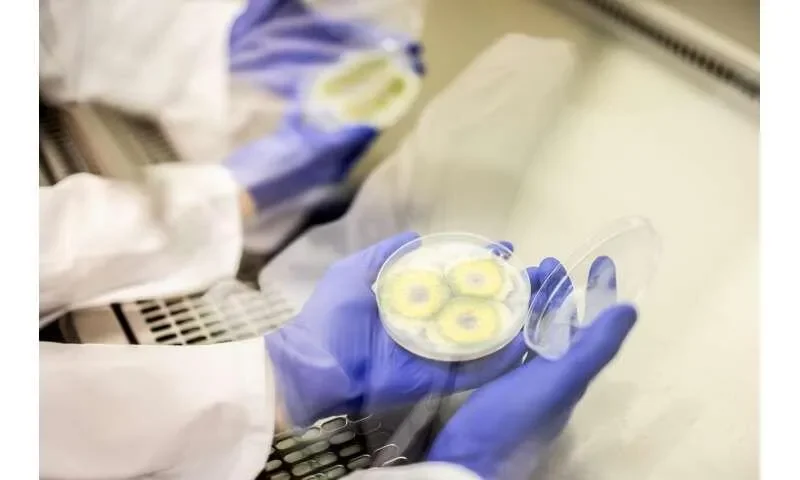
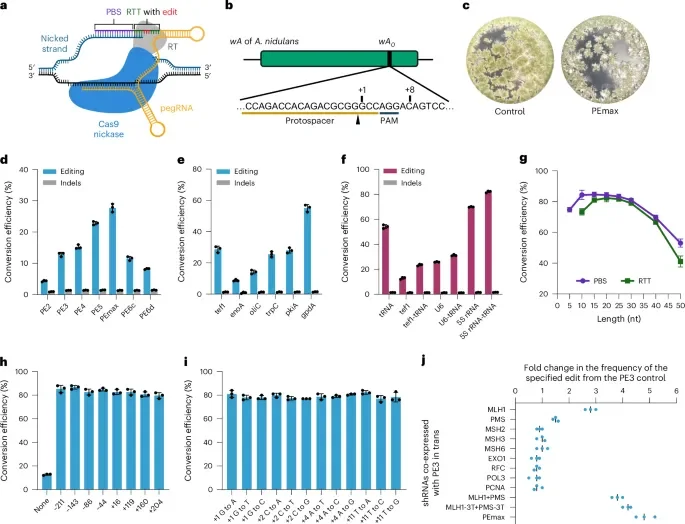
Researchers have engineered a specialized prime editing system, dubbed fPE7max, designed to bypass the traditional hurdles of fungal genomics. By integrating a specific protein, fLa, scientists have achieved precise sequence control in filamentous fungi without inducing double-strand DNA breaks. This technical shift allows for the activation of silent gene clusters—biological pathways that typically remain dormant in nature but hold the potential for novel anti-cancer compounds.
Core Signal: The integration of fLa into the prime editing scaffold allows for stable, precise manipulation of fungal metabolic pathways, turning "dormant" gene sequences into active sites of bioactive molecule production.
| Technical Component | Function |
|---|---|
| Prime Editing | Precise sequence replacement without double-strand breaks |
| fLa Protein | The fungal-specific workaround enabling editing compatibility |
| pegRNA | The instruction manual directing the site-specific edit |
| laeA Gene | Master regulator target used to trigger secondary metabolism |
The Mechanics of Modification
Fungi are prolific producers of bioactive molecules, utilizing them as chemical defense mechanisms against environmental competition. Historically, these gene pathways have been notoriously difficult to access. Traditional editing methods were often destructive or limited in throughput. The implementation of fPE7max sidesteps the risk of structural DNA damage, allowing researchers to edit master regulators like laeA—a gene that functions as a gatekeeper for various chemical production lines.
Read More: New Tinnitus Therapy Helps Ears Ring Less in Weeks
Non-destructive Precision: Unlike older systems that require breaking DNA strands, prime editing functions more like a word processor, searching for a specific site and rewriting the code directly.
Library Expansion: The shift enables the systematic "unearthing" of secondary metabolites that were previously inaccessible due to the biological complexity of the fungal kingdom.
A Forgotten Kingdom
For decades, genomics research prioritized animal and crop genomes, often treating fungi as mere environmental nuisances or agricultural threats. This legacy has left a massive, untapped repository of chemical diversity.

The focus of the team at the University of Pennsylvania—as evidenced by their publication in Nature Biotechnology—marks a departure from this pattern. By prioritizing the metabolic output of these organisms rather than their potential for rot or infection, the researchers are positioning fungal colonies as industrial-scale laboratories. Future deployments of fPE7max are slated to expand across a wider variety of species to continue the search for clinical-grade therapeutics.
Read More: New Pill Doubles Survival for Some Pancreatic Cancer Patients
The strategy hinges on the observation that when fungi are properly "disinhibited," they reveal chemical profiles that were previously unknown to current pharmacological frameworks.