


Shifting Sands at Alaïa, Familiar Faces Flock to Dior
Pieter Mulier showed his final collection for Alaïa this season, marking the end of a five-year tenure at the house. This departure, described as a "graceful pause," precedes his move to Versace. Meanwhile, the front rows buzzed with familiar luminaries at shows like Dior.
The conclusion of Pieter Mulier's tenure at Alaïa and the continued presence of high-profile guests at Dior framed the recent Paris Fashion Week AW26 events.
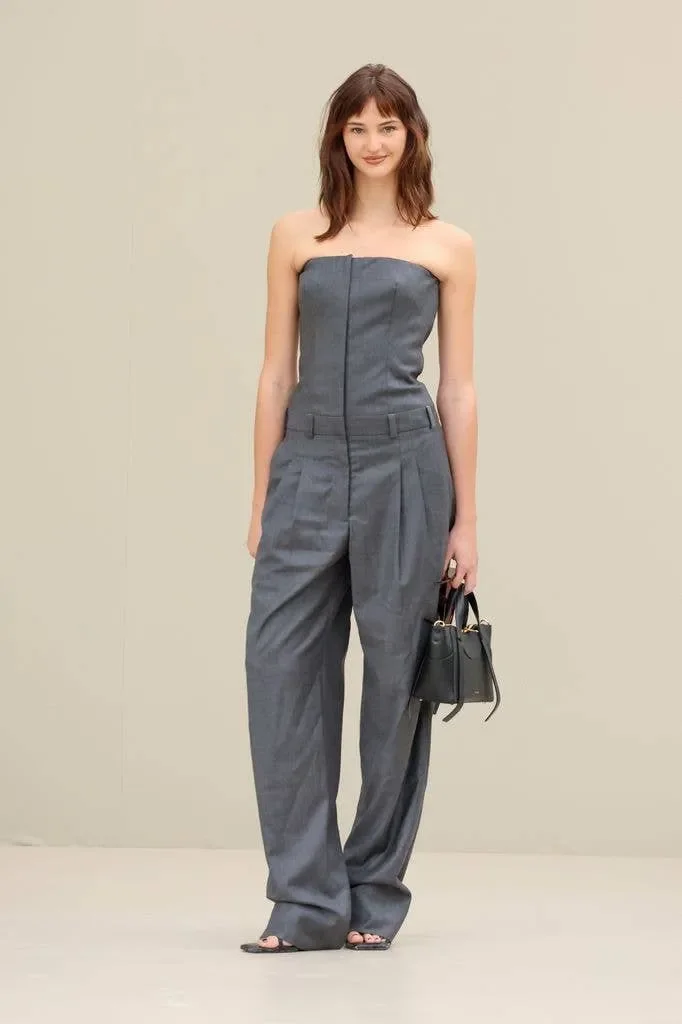
Mulier's final Alaïa collection, succeeded by the namesake couturier Azzedine Alaïa, was presented. The invitations themselves, a "make-your-own leather bodice," offered a tangible hint of the designer's influence and impending transition. This swansong is noted as the culmination of his five-year period at the house.
The Dior show on Tuesday drew a significant crowd of notable figures. Alexa Chung was seen in a floral matching shirt and mini skirt. Emily Ratajkowski adopted a simple "pants and a cute top" aesthetic. Priyanka Chopra-Jonas was outfitted in a complete Dior ensemble. Supermodel Adot Gak also sported an all-black Dior outfit outside the venue.
Other design houses and creative shifts were also noted. Julian Klausner presented his fifth show at the helm of Dries van Noten, interpreting the house's codes with his own approach. Antonin Tron debuted at Balmain, and there was attention on Pieter Mulier's final show at Alaïa.
A Palette of Past and Present: Collections and Celebrity Appearances
Collections Reflecting on Heritage and Innovation
The collections themselves seemed to engage with existing House codes while hinting at future directions. At Dior, the collection for the "Dior woman" navigated a space between aristocratic influences and everyday practicality. This approach was also seen in other shows, with references to classic silhouettes like the bar jacket evolving with patterns such as florals, gingham, and polka dots.
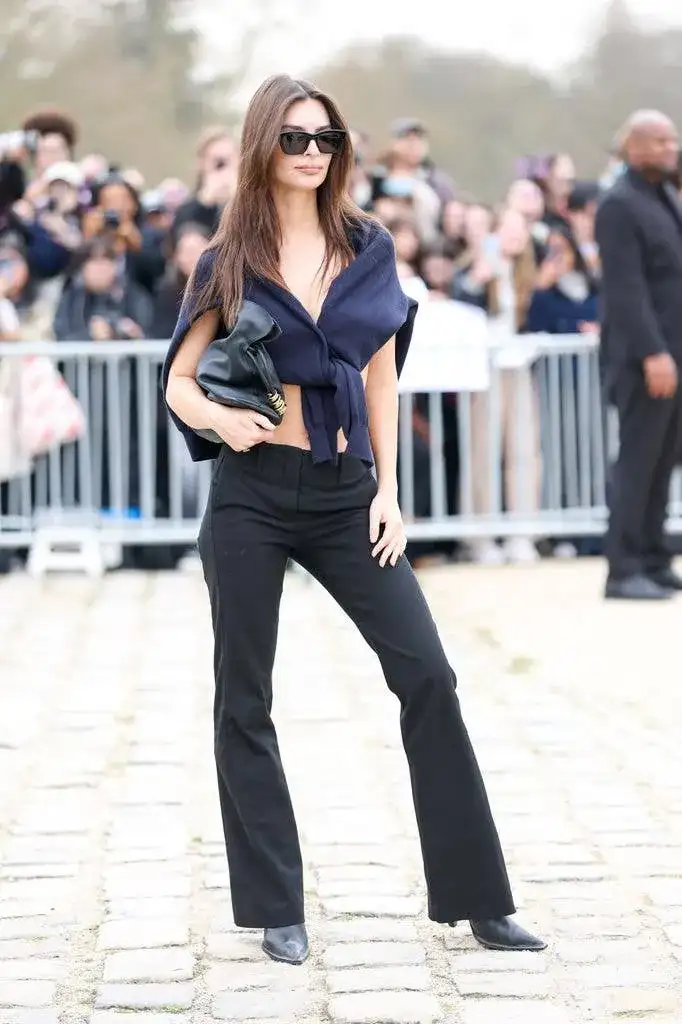
The collections featured a mix of bold and evolving themes, incorporating traditional elements with modern interpretations.
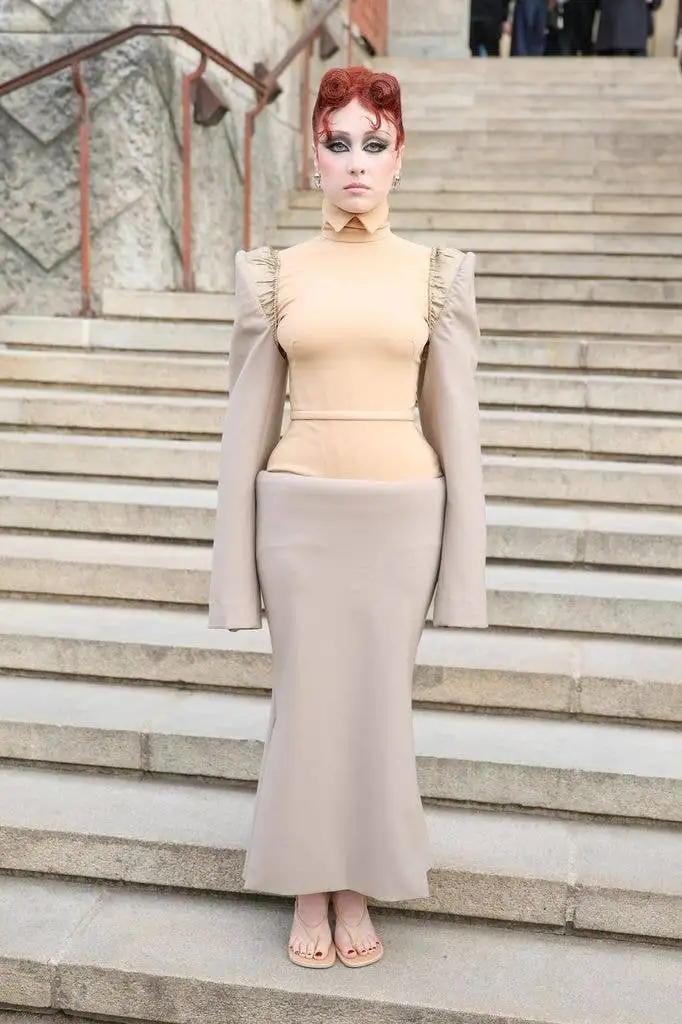
Dries van Noten's collection displayed a bold palette, including gold pumps, electric blue leather, and emerald dresses, interspersed with florals, snake prints, and tartans. Hyperrealistic faces appeared on skirts and dresses. The collection was described as a natural progression from the Spring/Summer season, building on existing elements with added florals, gingham, and polka dots.
Saint Laurent, under Vaccarello's direction, was characterized as sharp and seductive, avoiding overt nostalgia. Technical details like elasticated bomber-style necklines on topcoats and brocades reinterpreted as utilitarian jackets were observed. Vivid, almost pixelated patterns were also noted.
A collection at Tom Ford was highlighted as a standout of the fashion month.
Celebrity Presence: A Visual Commentary
The guest lists at Paris Fashion Week continued to be a spectacle in themselves, with various celebrities attending shows and events.
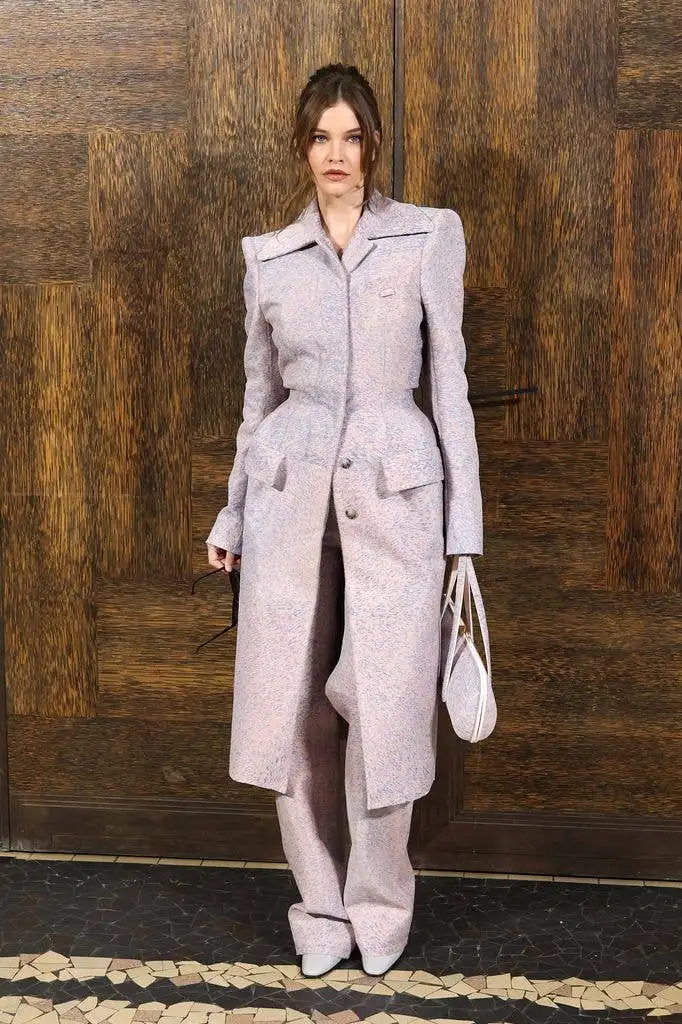
At the Dior couture show in January, Rihanna was seen in a black tulle blouse and overcoat. Teyana Taylor attended the Schiaparelli couture show in a sheer black lace dress and tuxedo coat. Farida Khelfa was also spotted outside the Schiaparelli show in a black wrap dress. Alex Consani wore a perforated white leather jacket, and Marisa Berenson appeared in a black dress and fringed coat from Schiaparelli.
Gracie Abrams was noted in a white collared cardigan, black jumper, and satin trousers. Michaela Coel wore a cropped white T-shirt with a leather jacket and pants. Tilda Swinton appeared in a black turtleneck and white midi skirt. Ayo Edebiri sported a tailored jacket and jeans. Nicole Kidman attended Matthieu Blazy's inaugural collection at Chanel in a white poplin shirt, grey trousers, and black heels.
The 'Le Grand Dîner du Louvre', described as the unofficial opening of Paris Fashion Week, also drew a crowd of philanthropists, executives, royals, and screen stars.
Background: A Season of Transitions and Established Names
Paris Fashion Week AW26 unfolded against a backdrop of notable designer transitions and the continued influence of established fashion houses. The departure of Pieter Mulier from Alaïa signals a significant shift for the brand, marking the end of his five-year period. His move to Versace adds another layer to the intricate network of creative directors within the industry.
Read More: Princess Catherine Wears £750 Roland Mouret Dress to Royal Wedding Today
The week also saw attention on other designers navigating new roles, including Michael Rider at Celine, Duran Lantink at Jean Paul Gaultier, and Jack McCollough and Lazaro Hernandez at Loewe. The presence of these newer creative leads alongside established names like Dior, Chanel, and Louis Vuitton creates a dynamic where heritage codes are continually reinterpreted.
The fashion landscape appears to be a space of both continuity and change, with designers revisiting familiar aesthetics while simultaneously exploring new directions. The celebrity presence at these events serves not only as a reflection of the industry's star power but also as a curated display of how these collections are integrated into public perception and personal style.


