A palpable shift is occurring in how children are educated, with a significant number of parents steering clear of traditional school systems. This divergence is fueled by a confluence of factors including dissatisfaction with current educational structures, a desire for greater flexibility, and mounting concerns over student well-being and safety. These departures are not isolated incidents but rather a growing trend, with alternatives like homeschooling, microschools, and hybrid models gaining traction.

Many parents point to the perceived inflexibility of mainstream education as a primary driver. The "one-size-fits-all" approach, they argue, fails to accommodate diverse learning styles and individual interests. This dissatisfaction is further compounded by issues such as a perceived lack of sufficient staff training to address specific needs, particularly for children with conditions like autism or ADHD. Reports indicate that schools have been slow to implement necessary adjustments and professional development in these areas, leaving parents feeling unheard and unsupported.
Read More: Google Learn About AI Tool Released April 2026 For Simple Learning

The pandemic acted as a catalyst, shattering established routines and prompting more families to seek educational independence. While some parents initially turned to alternatives out of necessity, many have found these new models better align with their evolving needs and values. This movement represents a move away from a standardized system towards more personalized and adaptable educational pathways. The growing appeal of homeschooling, for instance, stems from the ability for families to dictate curriculum and learning pace, fostering a sense of control over their children's intellectual development.
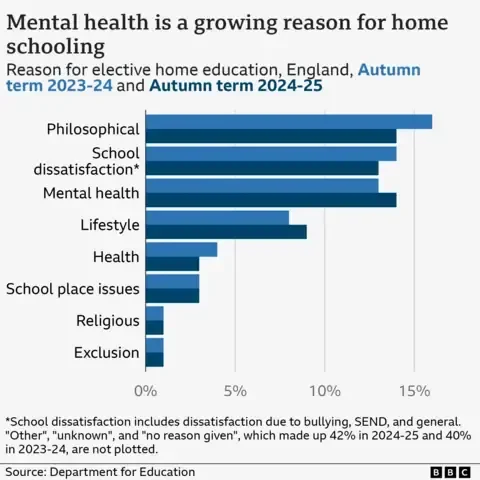
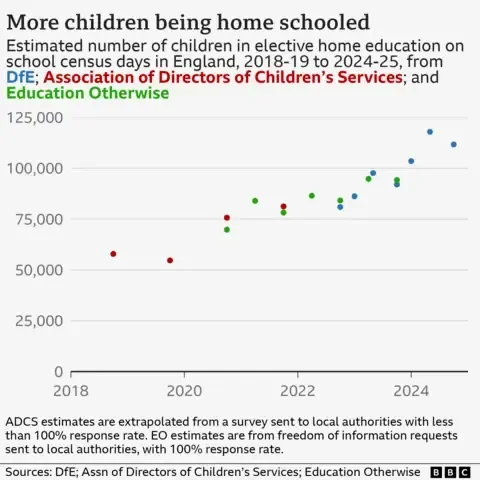
Beyond pedagogical concerns, safety and values alignment are increasingly cited as motivators. Parents express worries about bullying and the general emotional climate within schools, seeking environments that prioritize physical and psychological security. This quest for safety, coupled with a desire for education that reflects their family's values, pushes them toward options perceived as more controlled and protective. The surge in homeschooling numbers, now a significant portion of the student population, underscores the mainstream appeal of these alternative educational structures.
Read More: Summer reading prep helps kids start school better
Seeds of Departure: From Burnout to Independence
The impetus for parents to leave mainstream schooling is multifaceted. For some, it's a direct response to their children's experiences. Reports highlight children feeling "burned out" by the traditional system, with a palpable improvement in their emotional state and engagement once moved to alternative settings. This emotional well-being is often linked to the ability of these alternative structures to cater to individual learning paces, allowing students to progress through subjects as they master them, rather than being constrained by a rigid grade-level structure.
Alternative Pathways: Flexibility and Personalization Take Center Stage
The rise of 'microschools, 'pods,' and 'hybrid homeschooling' models signifies a growing demand for adaptable learning environments. These alternatives offer families greater control over their children's schedules, enabling education to be more seamlessly integrated with real-life experiences. The appeal lies in the inherent flexibility, allowing for customized learning pathways that diverge significantly from the standardized curriculum found in many public institutions. This trend is pushing the boundaries of how education is perceived and delivered, moving beyond the traditional classroom.
Read More: OCDSB approves $3.5M budget deficit on April 7 2026 under oversight
The Shadow of the Pandemic and Shifting Norms
The COVID-19 pandemic significantly disrupted the established rhythm of in-person learning, prompting a re-evaluation of educational choices for many families. This disruption provided an impetus for parents to explore options outside the public education system, and many have continued to embrace these alternatives even after the immediate crisis subsided. This shift has contributed to a decline in public school enrollment that has not yet fully recovered, indicating a lasting change in parental preference.
The Lure of Autonomy and Control
A significant segment of parents opting for homeschooling cite a desire for 'educational independence from the government.' This drive for autonomy allows families to select specific subjects and learning materials, ensuring that the curriculum aligns with their personal beliefs and educational philosophies. The ability to choose what is learned, and perhaps more importantly, what is not learned, is a powerful draw for those seeking a more personalized educational journey.
Read More: Families Check Nanny References Online to Ensure Child Safety
Lingering Questions on Oversight and Future Readiness
While alternative schooling offers distinct advantages, concerns remain regarding its long-term implications. The lack of stringent oversight associated with some homeschooling arrangements has, in certain instances, presented challenges for students as they transition into post-educational life. The sustainability of this trend, particularly as newer parents who did not experience pandemic-induced homeschooling navigate their children's school-age years, remains an open question.