Pandora, the global jewelry giant, is making a significant shift, trading in silver for platinum in some of its collections. Citing skyrocketing silver prices, the company claims this move is about managing volatility and improving product quality. But is this a genuine strategic pivot, or a clever way to maintain profit margins while consumers foot a potentially higher bill? As silver's value has more than doubled in a year, Pandora’s decision raises urgent questions about affordability, transparency, and the true cost of shiny things.
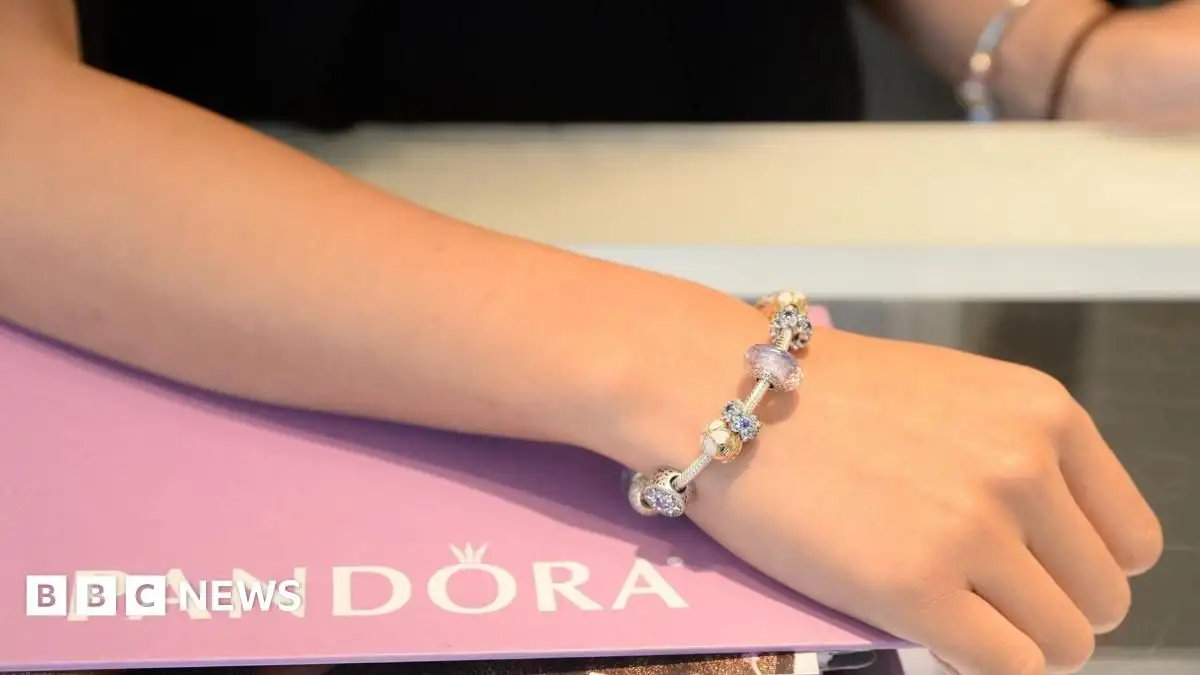
For decades, Pandora has built a brand synonymous with affordable, yet stylish, sterling silver charm bracelets and jewelry. Millions have flocked to their stores, drawn by the promise of personal expression through delicate, silver pieces. Now, a dramatic change is underway. Pandora, one of the world's largest jewelry retailers, has announced it will reduce its use of silver, moving to platinum in some of its offerings. The company attributes this to the “dramatic increase” and “price volatility” of silver, which has reportedly more than doubled in price over the past year. This isn't a minor tweak; Pandora intends to cut its silver usage to around 25% of its total output, a substantial reduction from its current silver-dominant position. The stated rationale? Platinum, they claim, offers "improved everyday-wear performance compared to silver," a benefit reportedly met with "high acceptance" in consumer tests. This pivot, set to roll out with new platinum-plated pieces later this year, promises a less volatile material and a potentially more durable product. But for the everyday consumer, the core question remains: what does this mean for their wallets?
Read More: FIFA World Cup 2026 Revenue Reaches $15 Billion With New Ticket Prices
The Silver Surge: A Historical Peek and Current Storm
The precious metals market is a notoriously dynamic beast, but the recent ascent of silver has been particularly steep. For years, silver has been a go-to for jewelry makers like Pandora, prized for its luster, relative affordability compared to gold, and malleability. Its price, while fluctuating, has generally been accessible, allowing for the mass-market appeal Pandora has cultivated.
Read More: Martin Lewis Asks Labour to Act on Scams
Consider this historical context:
2010s: Silver prices experienced significant peaks and troughs, influenced by global economic conditions and industrial demand. However, the prices remained within a range that supported large-scale jewelry production.
Early 2020s: A confluence of factors, including increased investment demand, supply chain disruptions, and broader inflation concerns, began to push precious metal prices upward.
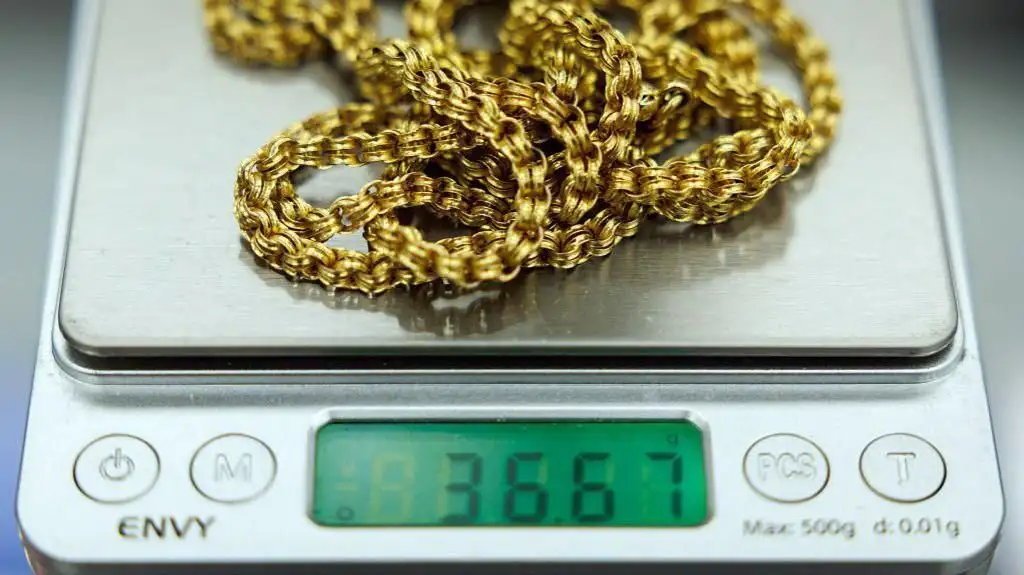
Past Year: This is where the situation became acute for companies like Pandora. Reports indicate silver's price has more than doubled, making it a far more expensive raw material.
This surge isn't just a blip. It reflects broader economic trends:
Inflationary Pressures: As the cost of goods rises across the board, so too do the prices of raw materials like silver, which is also a key component in electronics and solar panels.
Investment Appeal: In uncertain economic times, investors often flock to "safe haven" assets like precious metals, driving up demand and prices.
Supply Chain Issues: Global manufacturing and mining operations can face disruptions, impacting the availability of silver.
"We have seen dramatic increases in the price of silver," Pandora's chief executive stated, framing the move as a necessary adaptation to market realities.
But what does this "dramatic increase" translate to for consumers? And is platinum truly a cheaper alternative for Pandora, or is this a strategic shift to maintain profit margins on equally priced items?
Pandora's Pivot: Platinum's Promise or Pricey Pretense?
Pandora's announcement hinges on the perceived benefits of platinum. The company claims platinum offers "improved everyday-wear performance compared to silver." This suggests greater durability, scratch resistance, and less tarnishing – qualities consumers generally value. They also assert that their consumer testing shows "high acceptance" of platinum.
However, a closer look at the implications reveals potential complexities:
Price Parity: Crucially, reports indicate that the platinum-plated versions of Pandora's best-selling bracelets will cost "roughly the same amount" as their silver counterparts.
If a platinum-plated item costs the same as a solid silver item, does this mean Pandora is absorbing the cost difference, or is the "silver" item now being devalued in terms of material, while the price remains the same?
The "Platinum-Plated" Distinction: The company specifies "platinum-plated." This means a base metal (likely still affordable) is coated with a thin layer of platinum.
How thick is this plating? Will it wear off over time, revealing the base metal beneath, thus negating the "improved everyday-wear performance" in the long run?
Is Pandora clearly communicating this distinction to consumers, or will the association with "platinum" mislead buyers into thinking they are purchasing a solid platinum item, which would be significantly more expensive?
| Feature | Sterling Silver (Current) | Platinum (Proposed - Plated) |
|---|---|---|
| Base Material | Silver (92.5% pure) | (Unspecified base metal) |
| Plating | N/A | Thin layer of Platinum |
| Price Point | Current market rate | Similar to silver pieces |
| Durability | Prone to tarnish/scratches | Generally more durable |
| Tarnish Risk | Higher | Lower |
"We are not aiming to make all our jewelry platinum-plated," a Pandora spokesperson clarified, indicating a tiered approach. But this leaves room for ambiguity.
If platinum prices have also climbed, as some reports suggest, why the switch? Is it about relative cost and volatility, or is there a hidden cost advantage for Pandora in the production process or material sourcing of platinum-plated items?
Read More: Hunter Region Gets $12 Billion Train Factory
The Ghost of Past Pricing: What Happened Last Time?
This isn't the first time a major jewelry brand has adjusted its material strategy in response to market pressures. While Pandora's current move is specific, the underlying dynamics of material costs influencing consumer prices are a recurring theme in the industry.

Consider these broader industry trends:
Luxury Goods and Material Swaps: In the past, brands have subtly shifted materials, sometimes moving from solid gold to gold-plated or reduced karats, or from precious stones to lab-created alternatives, to manage costs. These shifts are often communicated with a focus on design or innovation rather than direct price increases.
Consumer Trust: When such changes are perceived as opaque or misleading, they can erode consumer trust. Brands that have historically relied on the perceived value of specific materials must tread carefully.
Did past shifts in the jewelry market lead to consumer backlash or a re-evaluation of brand loyalty?
How does Pandora plan to maintain the "affordable luxury" image it has cultivated if its core material is being substituted?
The concern for consumers is that while Pandora might be reducing its exposure to silver price swings, they might not be seeing a direct benefit in terms of lower prices. Instead, the "same price" for a platinum-plated item could represent a significant increase in profit margin for Pandora if the underlying material and plating costs are lower than what solid silver once was.
The Experts Weigh In: Market Forces and Consumer Impact
Industry analysts and financial experts offer a mixed perspective on Pandora's move, often highlighting the complex interplay of market economics and brand strategy.
Read More: £5 Vape Deposit Urged By Waste Firms To Stop Fires
Sarah Davies, a jewelry industry analyst, commented:

"Pandora's decision is a pragmatic response to a challenging commodity market. Silver's price surge makes it difficult for a mass-market brand to maintain consistent pricing and margins. Platinum, even when plated, offers a perception of higher value and durability. The key will be how transparent Pandora is about the composition of these new pieces and whether the perceived value truly aligns with the price."
Dr. James Chen, an economist specializing in commodity markets, noted:
"The surge in silver isn't solely driven by jewelry demand; industrial and investment factors play a huge role. This volatility makes forward planning difficult for any large manufacturer. While platinum prices have also risen, they may offer a more stable or predictable cost structure for Pandora's specific supply chain and production needs, especially when considering plated options."
Are there other factors at play? Could this be a deliberate strategy to position Pandora in a slightly more "premium" segment, using platinum as a stepping stone, regardless of the price surge?
What about ethical sourcing? While the report doesn't mention it, are there any concerns regarding the ethical sourcing of platinum versus silver that Pandora is addressing or creating?
The emphasis on "improved everyday-wear performance" also hints at a strategic effort to differentiate from cheaper, faster-fashion jewelry and to compete more directly with brands that might already utilize platinum.
The Unfolding Cost: What Does This Mean for You?
Pandora's shift to platinum in some collections is more than just a material change; it's a strategic decision with potential ripple effects for consumers. While the company frames it as a necessary adaptation to rising silver prices and an enhancement of product quality, several critical questions linger.
Transparency is Key: The company must clearly articulate the difference between solid silver and platinum-plated items. Consumers need to understand what they are buying and why the price remains consistent despite a potential material downgrade (from solid silver to plated base metal).
Long-Term Value: Will the "improved everyday-wear performance" of platinum plating hold up over the long term? Will the plating wear off, leading to dissatisfaction and a diminished perceived value of Pandora pieces?
Affordability: While Pandora aims to keep prices stable, the long-term economic impact of such shifts could lead to a gradual creep in prices or a redefinition of what "affordable" means within the Pandora ecosystem.
The transition begins this year, with new platinum-plated bracelets set to launch. Pandora has stated it will continue selling silver jewelry, but its dominance is clearly set to wane. The world's largest jeweler is betting on platinum to navigate the turbulent waters of precious metal prices. Whether this bet pays off for the company and, more importantly, for its loyal customer base, remains to be seen. The shine of silver might be fading from Pandora's core offerings, but the scrutiny on its pricing and material choices is just beginning.
Read More: Rocket Companies brand update in April 2026 changes logos and names
Sources:
Financial Times: https://www.ft.com/content/2bc1bc57-62ef-4baf-a596-821630cf5363
CBS News: https://www.cbsnews.com/news/silver-price-pandora-jewelry-platinum/
Business Insider: https://www.businessinsider.com/pandora-betting-on-platinum-silver-gold-price-skyrocket-2026-2
Deccan Herald: https://www.deccanherald.com/business/markets/silver-is-so-pricey-that-the-worlds-largest-jeweler-is-switching-to-platinum-3887965