)
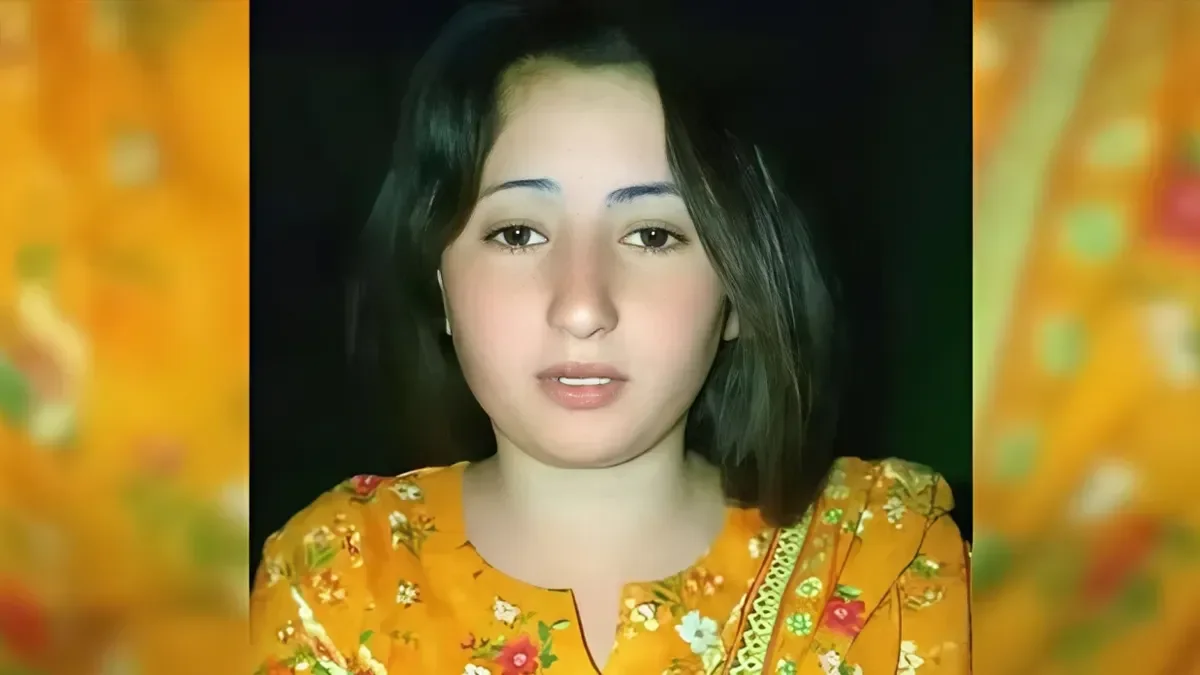
A recent online deception has surfaced, leveraging the image of Pakistani social media figure Sarah Baloch to draw users in India towards malicious links. The scam employs a tactic known as "localization," presenting what appear to be news items related to Assam, a region in India, to trick individuals into clicking on suspicious URLs. This operation aims to exploit public interest by using a fabricated connection to a regional event, thereby potentially leading to identity theft or financial fraud for those who fall for the ruse.
Scam Mechanism: Exploiting a Viral Trend
The core of the scam involves using the name and visual presence of Sarah Baloch, a Pakistani content creator, in conjunction with fabricated news about Assam.

The Lure: Links are circulated, often accompanied by captions suggesting shocking news or incidents from Assam.
Localization Tactic: Scammers create a false sense of relevance by associating the content with a specific Indian region, thereby increasing the likelihood of clicks from users in that area.
Deceptive Redirect: Upon clicking, users are not directed to legitimate news reports but rather to sites designed for malicious purposes.
The Real Story of Sarah Baloch
Sarah Baloch is identified as a Pakistani TikToker and influencer known for creating content focused on regional culture and travel within Balochistan. She has recently been the subject of reports concerning a distressing personal incident.
Read More: PayPal 'Free Money' Schemes in 2026 Offer Low Pay for Data
Alleged Assault: Sarah Baloch reported that three men intercepted her vehicle. She alleged that she was taken to a residence and subjected to sexual assault while travelling for a video shoot.
Police Action: Following her complaint and a public video statement detailing the alleged assault, police in Jacobabad, Pakistan, arrested three individuals, identified as Akmal Dagho, Paidal Jhakarani, and Molabakhsh Jhakarani.
Advocacy for Safety: The case has brought to light discussions about the safety of female content creators in Pakistan, with Baloch herself having voiced concerns about her safety and the need for action.
Distinguishing Legitimate Information from Deception
Experts advise a critical approach when encountering sensational or trending online content, especially when it involves links and purported news.
Domain Verification: Reliable news sources typically use established and recognizable website domains. For instance, a legitimate report from The Times of India would likely appear on a domain like
timesofindiatimes.com. Suspicious URLs that deviate significantly from known news outlets warrant caution.Content-Link Discrepancy: The current scam involves links that promise news about Assam but do not lead to actual news reports. This disconnect is a primary indicator of a phishing attempt.
Unverified Content: The spread of unverified information, particularly when tied to viral trends, can obscure the real issues and harm individuals involved. It is advised to avoid forwarding such content.
Protective Measures Against Online Scams
To safeguard against such deceptive practices, online users are encouraged to adopt specific security measures.
Avoid Suspicious Links: The most direct way to prevent falling victim is to refrain from clicking on unfamiliar or dubious links, especially those that promise sensational or exclusive content.
Two-Factor Authentication: Enabling two-factor authentication on social media accounts adds an extra layer of security, making unauthorized access more difficult.
Report Misleading Content: Social media platforms provide mechanisms to report posts that are misleading, contain scams, or spread misinformation. Utilizing these tools helps to mitigate the spread of harmful content.
*
Sources:
https://zeenews.india.com/india/sarah-baloch-assam-viral-video-scam-phishing-alert-2026-3019106.htmlhttps://www.herzindagi.com/society-culture/who-is-sarah-baloch-pakistani-influencer-viral-video-used-to-spread-fake-assam-link-online-safety-alert-article-1055815https://thechandigarhnews.com/sara-baloch-viral-mms-case-what-you-must-know-before-clicking-the-assam-fake-link/https://www.latestly.com/social-viral/sara-baloch-viral-video-3-arrested-in-pakistan-beware-of-assam-fake-links-7319858.htmlhttps://www.khabarxp.com/sarah-baloch-viral-video-alert-pakistani-influencer-accused-of-sharing-fake-assam-link/https://pave.com.pk/sara-baloch-instagram-viral-video-explained/https://mmnews.tv/sara-baloch-police-arrest-three-after-viral-video-of-tiktoker/