As of May 19, 2026, Pakistan has finalized the deployment of approximately 8,000 troops, a full squadron of JF-17 Thunder fighter aircraft, drone units, and Chinese-manufactured HQ-9 air defense systems to Saudi Arabia. These assets were moved to the Kingdom starting in early April under a mutual defense agreement signed on September 17, 2025.
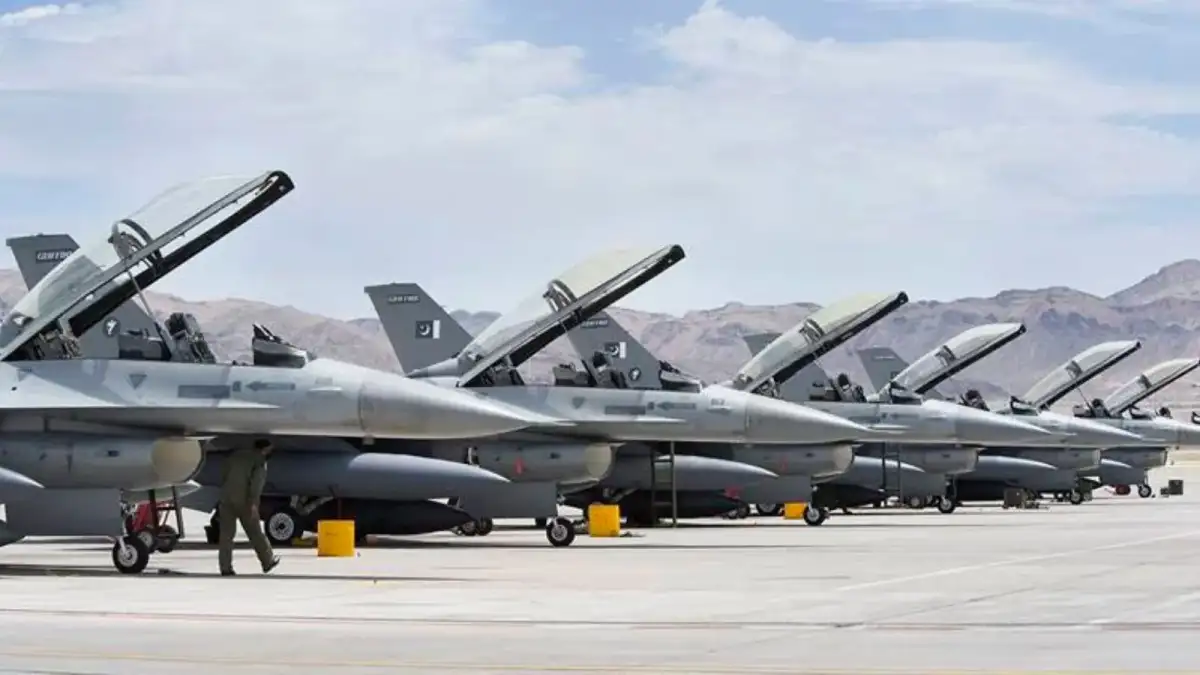
The deployment signifies a tactical shift in regional deterrence, embedding Chinese-origin defense hardware within the Saudi security architecture while Pakistan simultaneously maintains its role as a primary mediator in the ongoing conflict involving Iran.

Force Composition and Operational Status
The operational capacity of the deployed force includes:| Asset Type | Quantity/Description || :—- | :—- || Personnel | Approx. 8,000 troops || Aviation | 16 JF-17 fighter jets (one squadron) || Unmanned Systems | Two squadrons of surveillance/combat drones || Air Defense | HQ-9 (long-range surface-to-air missile system) || Naval | Potential deployment of warships (unconfirmed status) |
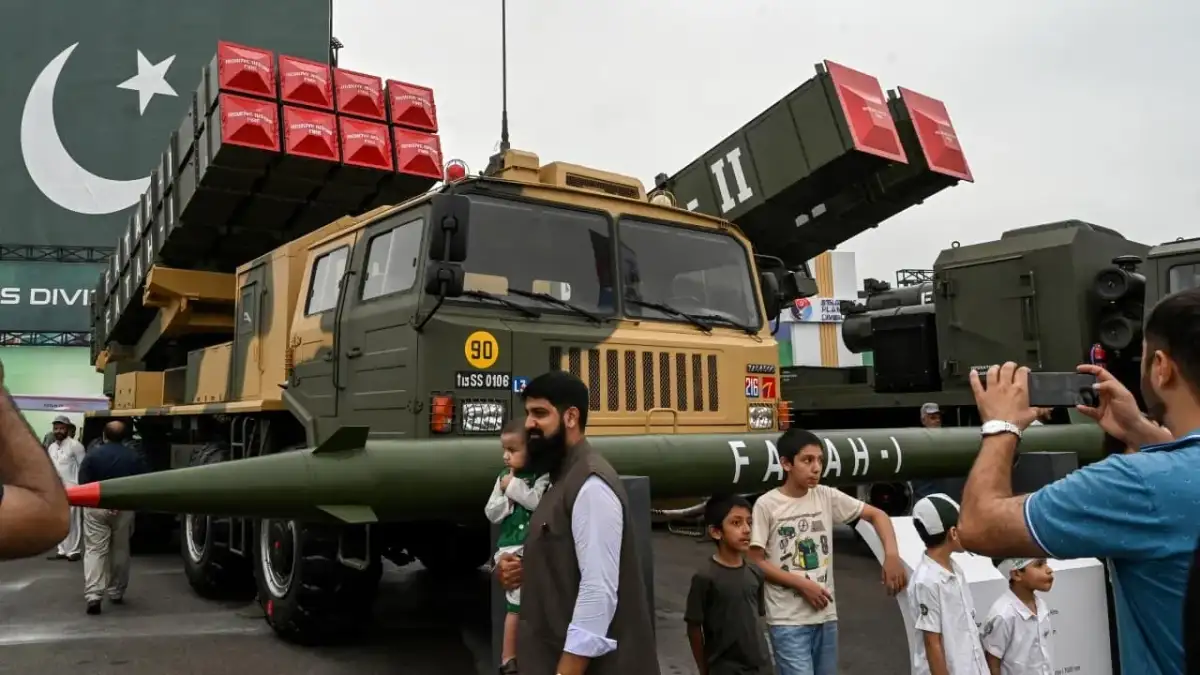
According to security officials, the equipment is operated exclusively by Pakistani personnel, with Saudi Arabia assuming financial responsibility for the deployment. Neither the Pakistani Ministry of Foreign Affairs nor the Saudi government media office has provided formal commentary on the logistics or the scope of the mission.
Read More: ADF soldier Lachlan Muddle dies in Jervis Bay parachute accident
Geopolitical Implications and Context
The arrival of these assets occurs during a fragile security environment in the Middle East. While Pakistan is currently acting as a broker in peace talks regarding the war with Iran, the active mobilization of combat-capable units into the Saudi sphere suggests a dual-track strategy.
Nuclear Umbrella: Defense Minister Khawaja Asif has previously suggested that the defense pact effectively extends a "nuclear umbrella" to the Kingdom, though the operational reality of such an arrangement remains a subject of intense regional scrutiny.
Strategic Alignment: The integration of Chinese-made HQ-9 systems and JF-17 jets into the Gulf security architecture highlights the deepening military-industrial influence of China in the region, effectively bridging South Asian military power with the Middle Eastern theater.
Historical Ties: This deployment expands upon a long-standing security relationship that has seen Saudi Arabia provide substantial financial assistance to Pakistan during periods of economic instability in exchange for military guarantees.
The secrecy surrounding the full terms of the Mutual Defence Pact has prompted questions regarding the parliamentary oversight of these troop movements and the long-term impact on regional power balances. As it stands, the move challenges traditional alliances, potentially complicating the existing influence held by Western powers in the Gulf.