In a nail-biting start to the T20 World Cup 2026, Pakistan narrowly escaped a colossal upset, clinching a three-wicket victory against the Netherlands in Colombo. While Faheem Ashraf's explosive late cameo stole the headlines, the match revealed worrying vulnerabilities in the Pakistani camp, raising crucial questions about their title aspirations and strategic preparedness. Was this a sign of resilience or a harbinger of future struggles?
The victory, achieved with just three balls to spare, was far from convincing. Pakistan, chasing a modest target of 148, found themselves in deep trouble, staring down the barrel of an embarrassing opening-day defeat. It was Faheem Ashraf, with a whirlwind unbeaten 29 off just 11 balls, who single-handedly rescued them from the brink, smashing crucial boundaries and sixes to guide his team to safety. But the real story isn't just the dramatic finish; it's the prolonged period of struggle that preceded it. How did a team with Pakistan's pedigree falter so badly against a comparatively less experienced opponent?
Read More: Australia T20 Cricket Team Success Ignored by Media
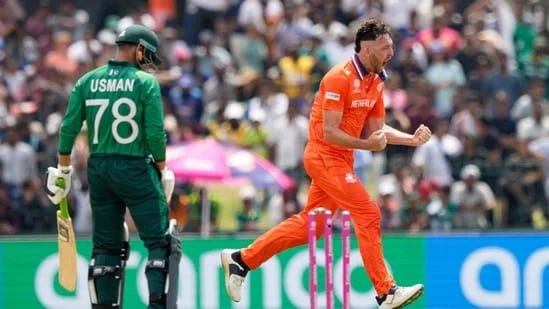
The Ghost of Past Upsets: A Familiar Pattern?
This isn't the first time Pakistan has flirted with disaster in major tournaments. The memory of their opening match loss to the USA in the 2024 T20 World Cup clearly looms large. While the circumstances were different, the pattern of perceived overconfidence followed by a near-implosion feels eerily familiar.
2024 T20 World Cup: Pakistan's campaign began with a shocking defeat to co-hosts USA, a result that cast a long shadow over their subsequent performances.
The Netherlands Match 2026: A similar script unfolded, with Pakistan's batting lineup struggling to gain momentum against a disciplined Dutch attack.
"After stumbling in their opening match against the USA in 2024, Pakistan were staring at another early embarrassment, only for Faheem to turn the script on its head." - India Today
This recurring theme begs the question: what lessons, if any, have been learned? Is the team's mental fortitude truly tested when the pressure mounts, or is it a systemic issue of underestimating opponents and failing to execute under duress?

The Dutch Challenge: More Than Just a Scare?
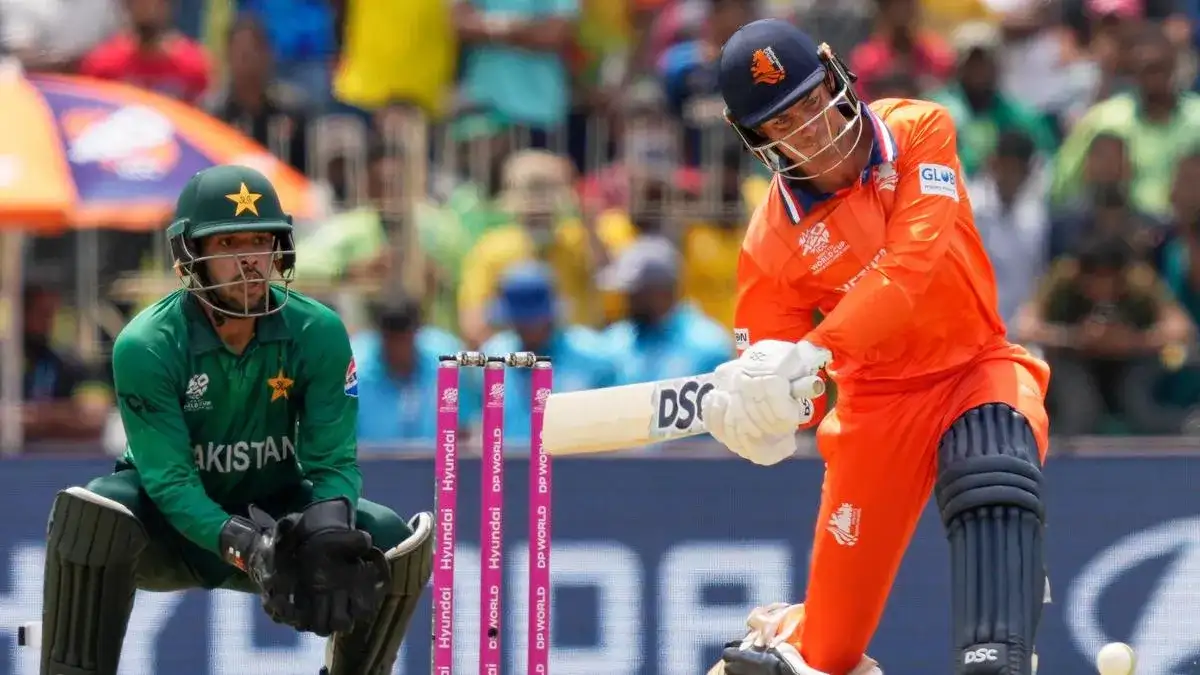
The Netherlands, despite ultimately falling short, demonstrated remarkable grit and strategic acumen. They fought tooth and nail, restricting Pakistan's chase and even having them on the ropes. Their performance was a testament to their continuous development as a cricketing nation.
A Competitive Total: The Dutch posted a respectable 147 all out in 19.5 overs, a total that proved more than adequate to trouble Pakistan.
Disciplined Bowling: Their bowlers applied pressure throughout the chase, picking up wickets at crucial junctures and making Pakistan work for every run. Key performers included Aryan Dutt (2/33) and Paul van Meekeren (2/20).
Key Batting Contributions: Despite batting collapses, Scott Edwards (37 off 29 balls) and Bas de Leede (30 off 25 balls) provided crucial stability in the middle order.
"Batting first, the Netherlands put up a competitive 147 all out in 19.5 overs. However, disciplined bowling from the Netherlands kept Pakistan under pressure, turning what looked like a manageable target into a tricky pursuit." - Free Press Journal
Did the Netherlands simply have an exceptional day, or have they developed a tactical approach that consistently challenges stronger nations? Their performance suggests the latter, prompting a re-evaluation of their standing in international cricket.
Read More: Kolkata Rain Could Stop India's T20 World Cup 2026 Semi-Final Dream vs West Indies

Pakistan's Middle-Order Woes and Top-Order Dependence
While Ashraf's heroics masked the underlying issues, Pakistan's batting performance was a cause for concern. Apart from a solid opening stand and Ashraf's blitz, the middle order faltered, highlighting a concerning dependence on a few key players.
| Player | Runs | Balls | Strike Rate | Notes |
|---|---|---|---|---|
| Sahibzada Farhan | 47 | 31 | 151.61 | Provided a good foundation. |
| Saim Ayub | 24 | 13 | 184.62 | Aggressive start. |
| Babar Azam | 15 | 18 | 83.33 | Struggled to rotate strike. |
| Salman Ali Agha | 12 | 8 | 150.00 | Dismissed, impacting middle-order stability. |
| Faheem Ashraf | 29* | 11 | 263.64 | Match-winning cameo, unbeaten. |
Top-Order Reliance: Pakistan's chase seemed to falter once the openers departed and senior players like Babar Azam couldn't convert their starts into substantial innings.
Middle-Order Collapse: Multiple reports highlight Pakistan losing wickets in quick succession, leaving them vulnerable. At one point, they were struggling at 115/7 in the 17th over.
"Faheem’s knock included 2 fours and 3 sixes. He was the one who kept the scoreboard moving when Babar Azam was finding it tough even to rotate the strike." - Hindustan Times
This pattern raises questions about the depth of Pakistan's batting order and their ability to absorb pressure when the top order fails. How will they fare against stronger bowling attacks if this middle-order fragility persists?
Strategic Decisions and External Factors
Beyond the on-field play, certain strategic decisions and external factors warrant closer examination. The decision to field first, despite batting potentially being stronger, and the shadow of the potential India-Pakistan match, add layers of complexity.
Toss Decision: Pakistan won the toss and chose to field first. Was this the right call given the pressure of an opening match?
Group A Dynamics: Pakistan shares Group A with India, the USA, and the Netherlands, along with Namibia. Their encounter with India on February 15th in Colombo is a highly anticipated fixture.
Political Stance: Reports indicate Pakistan's intention not to play arch-rivals India on February 15th due to government instructions, a decision that could have significant ramifications for the tournament's structure and fan engagement.
"Pakistan have no margin for error in the group stage after saying they will not play arch-rivals India on February 15 following government instructions." - SportsView
How will this off-field situation impact the team's focus and performance throughout the tournament? Is the team prepared for the potential fallout and the added pressure of such a politically charged stance?
Read More: England Cricket Captaincy: Harry Brook Leads Race After Stokes Quits
The Verdict: A Victory, But At What Cost?
Faheem Ashraf's heroic performance undoubtedly secured a crucial two points for Pakistan. However, the narrative of this match is one of a near-miss, a stark reminder of past frailties. The team's ability to repeatedly find themselves in such perilous situations, only to be bailed out by individual brilliance, is a concerning trend.
Player of the Match: Faheem Ashraf (29* off 11 balls)
Final Score: Pakistan 148/7 (19.3 overs) vs Netherlands 147 (19.5 overs)
Margin of Victory: 3 wickets
While the win is celebrated, the performance itself demands critical scrutiny. Can Pakistan afford such close shaves against stronger opponents like India? Their journey in this T20 World Cup will likely hinge on their ability to address these pressing questions and evolve beyond relying on last-minute heroics. The Netherlands have set a benchmark; the question remains whether Pakistan can rise to meet it consistently, or if this was merely a temporary reprieve from a looming crisis.
Sources:

)