

Global Cricket Faces Disruption Over India-Pakistan Fixture
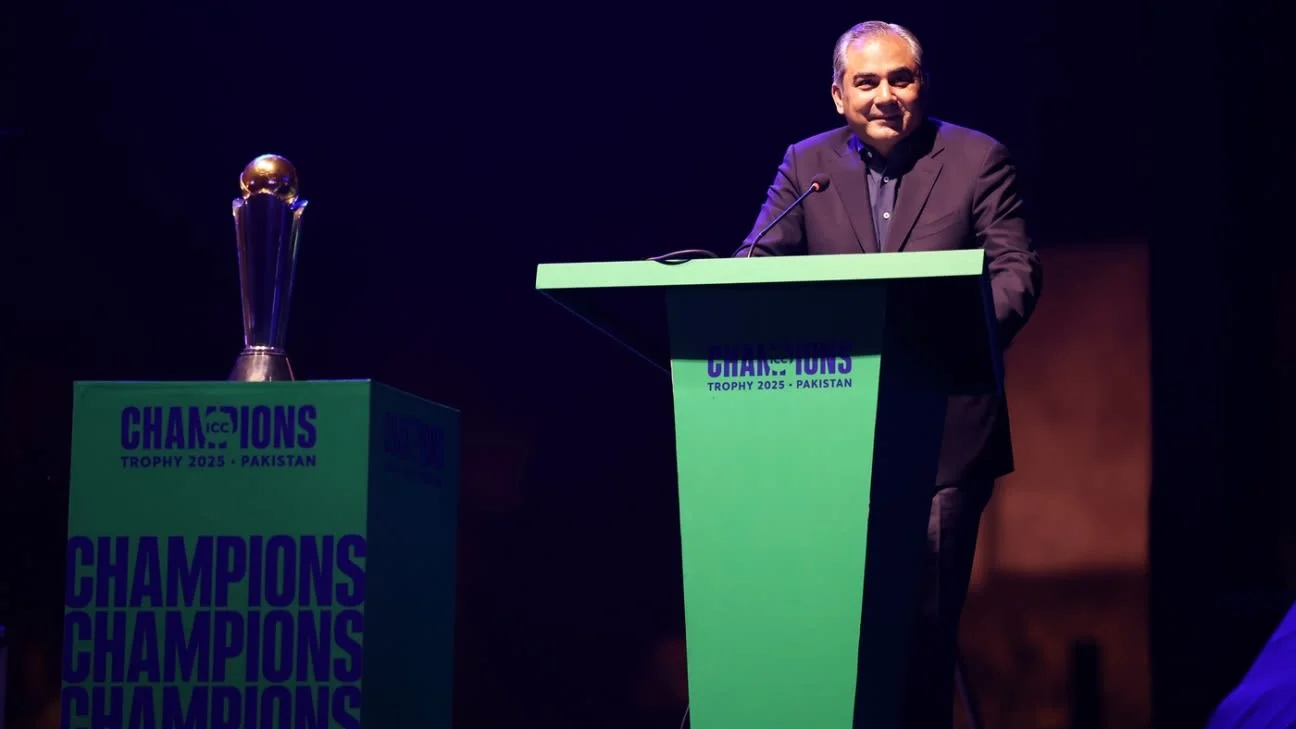
A significant dispute has emerged within the T20 World Cup 2026, centered on Pakistan's decision to boycott its scheduled group stage match against India on February 15 in Colombo. This stance has prompted direct involvement from the International Cricket Council (ICC), with officials undertaking negotiations in Lahore. The situation has become more complex with Bangladesh also becoming involved, signaling the wide-reaching impact of this standoff on international cricket's structure and revenue streams.
Background to the Boycott Row
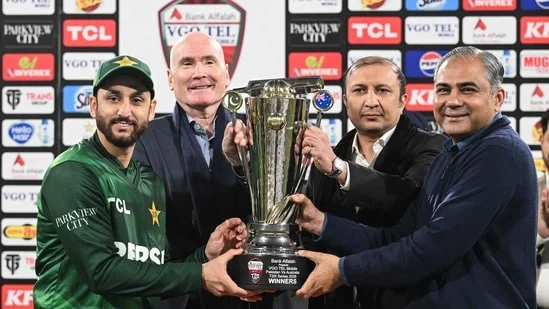
The conflict began when the Pakistan government issued instructions for its national team to participate in the T20 World Cup 2026 but specifically barring them from playing against India on February 15. This decision was communicated via a government social media post on February 1. The Pakistan Cricket Board (PCB) subsequently attempted to invoke the 'force majeure' clause in its agreement with the ICC, citing the government's directive as justification for withdrawing from the single match.
Read More: Italy Beats Nepal in T20 World Cup Match
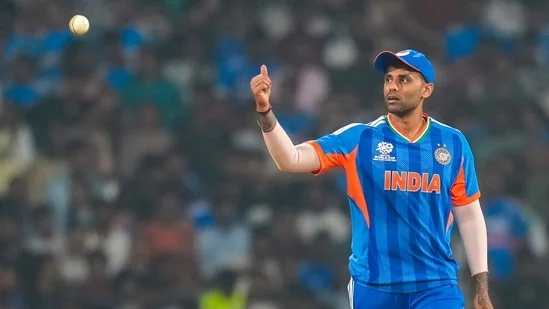
February 1, 2026: Pakistan government issues directive to play in T20 World Cup but boycott India match.
February 2, 2026: Pakistan announces its boycott of the India match.
February 5, 2026: Back-channel talks reportedly begin between ICC and PCB. Sri Lanka requests Pakistan reconsider its decision.
February 7, 2026: ICC seeks formal explanation from PCB regarding the invocation of the 'force majeure' clause.
February 8, 2026: ICC officials, including deputy chairman Imran Khwaja, travel to Lahore for negotiations with the PCB. The Bangladesh Cricket Board chief is also set to meet with PCB officials.
Evidence of ICC and Neighboring Board Involvement
Multiple reports indicate active engagement by the ICC and other cricket boards to find a resolution.

The ICC has initiated back-channel talks with the PCB, with Deputy Chairman Imran Khwaja reportedly leading these efforts. An ICC Director noted that talks are ongoing and expressed hope that the match will eventually take place.
The ICC has formally requested an explanation from the PCB on how the 'force majeure' clause applies to a single match while the team participates in the rest of the tournament. The ICC has stated that the situation described by Pakistan does not qualify as 'force majeure'.
Bangladesh, whose removal from the T20 World Cup was cited by Pakistan as a reason for solidarity, has also become directly involved. The Bangladesh Cricket Board (BCB) chief is scheduled to meet with PCB officials in Lahore. Some within the BCB reportedly expressed dissatisfaction with Pakistan's boycott, viewing it as an unnecessary loss.
Sri Lanka, a co-host and the scheduled venue for the India-Pakistan match, has formally written to Pakistan, urging them to reconsider their decision. Sri Lanka highlighted its past support for Pakistan cricket, including touring the country after the 2009 Lahore attack, suggesting a reciprocal gesture of solidarity.
Pakistan's Stance and ICC's Position
Pakistan's decision to boycott the India match appears rooted in a directive from its government, which the PCB is attempting to frame as an exceptional circumstance justifying the 'force majeure' claim.
Read More: Kim Jong Un's Daughter May Be Next Leader of North Korea

The PCB initially did not directly communicate the reason for the boycott to the ICC but later invoked the 'force majeure' clause.
The ICC has rejected Pakistan's argument that the situation constitutes 'force majeure', emphasizing that such a clause typically applies to unforeseen events that make fulfilling contractual obligations impossible, not to politically motivated decisions.
The ICC has also warned the PCB of potential financial damages and sanctions if the team fails to play the match against India. These potential consequences range from financial penalties, possibly freezing annual revenue of approximately $34.5 million, to a full suspension from international cricket, drawing parallels to South Africa's exclusion in the 1970s.
BCCI's Observational Stance
The Board of Control for Cricket in India (BCCI) has maintained a position of deference to the ICC's authority in this matter.
Read More: India vs Pakistan Match in T20 World Cup 2026 Will Happen
BCCI Vice-President Rajeev Shukla stated that the BCCI "has nothing to say" on the matter and will abide by "whatever the ICC says."
A BCCI source reportedly views the PCB's argument for boycotting the match as weak and unlikely to be accepted by the ICC, suggesting that the Pakistan and Bangladesh boards are mixing politics with sports.
Implications and Potential Outcomes
The standoff carries significant implications for the T20 World Cup 2026, including potential financial repercussions and the integrity of the tournament.
The India vs. Pakistan match is described as the tournament's biggest commercial draw and a primary source of revenue for broadcasters and the ICC. A forfeiture would result in India receiving two points from the group stage match.
The ICC faces considerable pressure to resolve the dispute promptly, given the tournament's imminent start and the substantial economic impact of this particular fixture.
The PCB has reportedly presented three key demands to the ICC in an attempt to find a resolution, although these demands are not detailed in the provided reports.
The situation has led to discussions among former players, with some, like Irfan Pathan, suggesting Pakistan might eventually reverse its decision but questioning their team's ability to challenge India.
Sources and Context
The following sources were consulted for this report:
Read More: People Protest Worldwide Due to Money Problems
NDTV Sports:
Article 1: Provides an overview of Pakistan's conditions and India's injury concerns, noting back-channel talks and the ICC's stance.
Article 2: Details Bangladesh's intervention, with the BCB chief heading to Lahore for meetings, and the ICC's rejection of Pakistan's security assessment.
Article 3: Highlights the start of critical talks between the ICC and PCB, and the ICC's warning regarding potential financial damages.
Article 4: Discusses Pakistan being under pressure and at risk of legal action, noting the contrast with the U19 World Cup participation.
Article 5: Mentions Bangladesh joining the PCB-ICC meeting and the ICC's response to Pakistan's 'force majeure' claim.
Article 6: Focuses on ICC officials heading to Lahore for negotiations and the PCB's 'force majeure' claim based on a government post.
Article 7: Details the ICC seeking an explanation from Pakistan on the 'force majeure' invocation and the PCB initiating further discussions.
Article 8: Outlines the ICC contemplating severe sanctions, including full suspension, and potential freezing of annual revenue.
Article 10: Discusses Pakistan's potential use of 'force majeure' to avoid sanctions and the BCCI's view that the argument is weak.
Article 11: Reports on the possibility of financial penalties from the ICC and the revenue significance of the India-Pakistan match.
Article 13: Notes some in the BCB are unhappy with Pakistan's boycott and highlights the revenue generated by the fixture.
Article 16: Details Sri Lanka's request to Pakistan to reconsider the boycott, referencing past support and potential revenue loss.
Timesnownews.com:
Article 5: Reinforces the involvement of the BCB in an ICC-PCB meeting and the possibility of a U-turn by Pakistan.
ESPNcricinfo:
Article 12: Confirms back-channel talks between ICC and PCB, with Khwaja mediating, and mentions the government instructions.
Hindustantimes.com:
Article 15: Reports that the PCB is unlikely to reverse its decision despite ICC pressure and details the government's explicit instructions.
Brave News (aggregated):
Article 9: Mentions Pakistan setting conditions and deputy chair Imran Khwaja handling negotiations.
Article 14: States the BCCI's position of adhering to the ICC's decision after Pakistan PM Shehbaz Sharif reiterated the boycott stance.

)

:max_bytes(150000):strip_icc():focal(612x1166:614x1168)/Switzerland-accident-fire-020826-02-7cbc5d49ad0f413883178cfd825a77de.jpg)

