ISLAMABAD – Concerns are mounting that Pakistan is increasingly employing arrests, legal measures, and enhanced online controls to curb dissent and silence critical voices. Reports from multiple rights organizations highlight a pattern of detentions, alleged intimidation, and legal harassment targeting journalists, activists, and even ordinary citizens participating in public gatherings.

The framework of "national security" appears to be increasingly invoked to criminalize dissent, with authorities framing criticism as a security issue. This strategy, according to rights advocates, allows for the application of laws that inherently restrict freedoms, impacting not just outspoken individuals but also broader civil society.

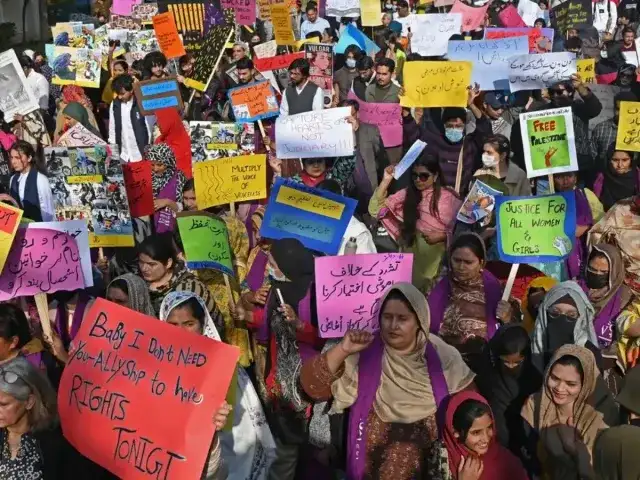
Recent incidents underscore these worries. Mavra Bari, a 36-year-old sociologist, was detained for approximately 12 hours when she intended to participate in International Women's Day commemorations in Islamabad on March 8. Separately, Sehrish Qureshi, a journalist, was held after going to a police station to inquire about colleagues detained during the same Women's Day rally. Over 30 other individuals, including women and children, were reportedly also taken into custody during this event.
Read More: Taiwan Holds Nantou County Drills to Prepare for State Collapse
Further complicating the landscape, the Committee to Protect Journalists has indicated that Pakistan remains a place where journalists face substantial dangers. The Committee also expressed concern over reports detailing an increase in enforced disappearances targeting human rights defenders, journalists, students, political activists, members of ethnic and religious minorities, public officials, and political opponents.
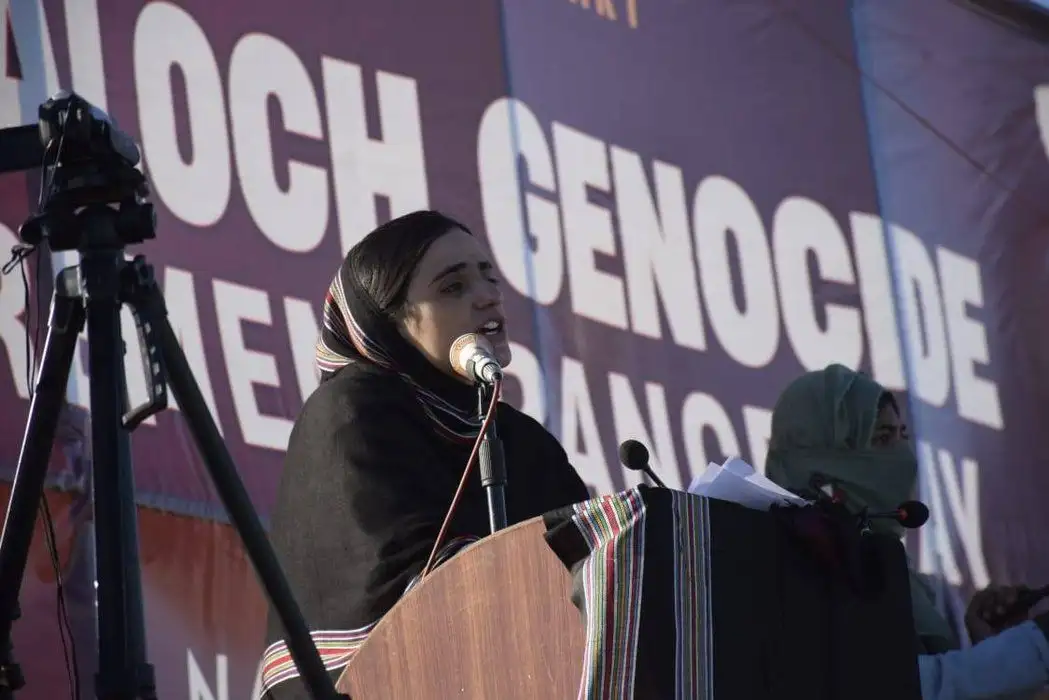
A notable case involves human rights defender Idris Khattak, who has reportedly been in detention for five years. A report cited by sources claims his detention is a reprisal for his work, accusing him of using social media to "propagate a misleading, concocted, and baseless campaign against state institutions and security agencies of Pakistan."
The Prevention of Electronic Crimes Act (PECA) has also become a point of contention. In December 2024, the Pakistan Federal Union of Journalists (PFUJ) condemned the issuance of arrest orders for 150 journalists under this act. They were accused of spreading "a false narrative against state institutions," particularly concerning security agencies' actions during a crackdown on supporters of the Pakistan Tehreek-e-Insaf (PTI) party.
Read More: Man Dies After Setting Fire Outside UN in Protest
Shifting Legal Ground
There are also indications of proposed legislative changes that could further empower state detention. The Human Rights Commission of Pakistan (HRCP) voiced apprehension in November 2024 regarding the introduction of the Anti-Terrorism (Amendment) Bill 2024. This proposed legislation, if enacted, would allow for individuals to be held for 'inquiry' for up to three months, based solely on 'credible information' or 'reasonable suspicion,' without judicial oversight. The justification cited is a presumption that the individuals pose a threat to national security or public order.
The situation extends beyond active dissent. Afghan refugees have also faced repercussions. At least 10,566 Afghan refugees in Pakistan were reportedly arrested and detained, though many remained on bail at year's end. Journalist Mattiullah Jan was reportedly arrested in November on terrorism and narcotics charges, linked to his critical reporting on the government's handling of protests.
Read More: FBI Analysts Review Georgia 2020 Election Data in Fulton County
Broader Climate
Human rights organizations, including Human Rights Watch, have documented a broader pattern of intimidation, enforced disappearances, and legal harassment. The use of colonial-era laws, such as the Land Acquisition Act, has also been noted for facilitating the eviction of low-income communities for development projects. The overall climate, according to some reports, has fostered fear among journalists and civil society groups, leading to increased self-censorship. International bodies like the International Monetary Fund (IMF) have programs in the country, with austerity measures under these programs reportedly adding to the hardship of low-income groups.