


LEGISLATURE TINKERS WITH FINANCE RULES, ERODING INTENDED LIMITS
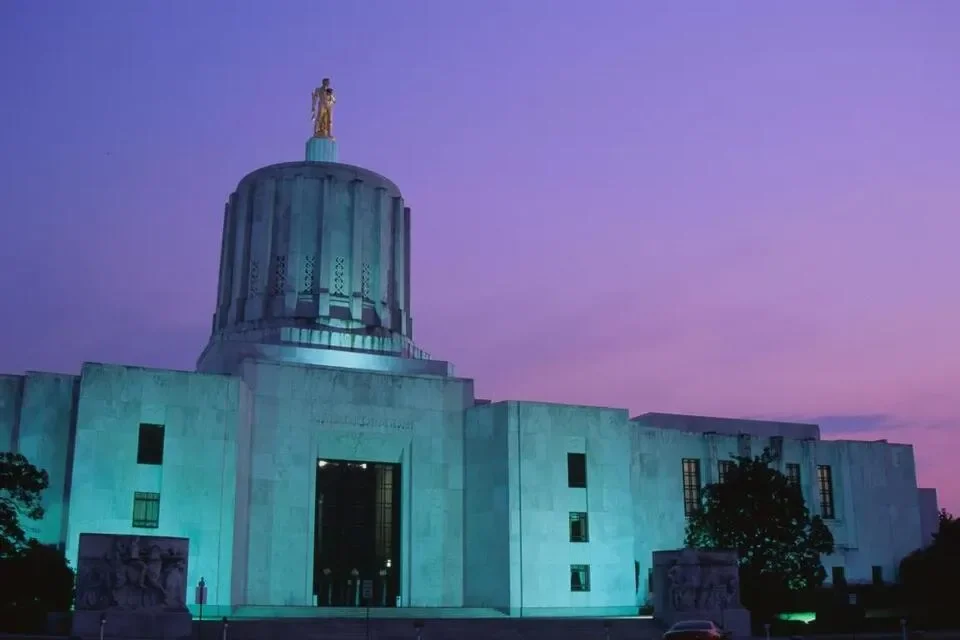
Oregon's legislature, after a public mandate for tighter campaign finance controls, has moved to dilute the impact of new contribution limits. Despite voter appetite for curbs on money in politics, lawmakers have recently approved legislation that supporters label as mere "technical fixes," while critics contend these changes render contribution limits and disclosure requirements nearly meaningless.
The recent legislative action on March 5 saw the Democratic-controlled Oregon Legislature pass a bill that officials claim is largely cosmetic, adjusting measures previously enacted. However, evidence suggests these adjustments are creating loopholes and delaying the implementation of the very reforms voters endorsed.
DELAY AND DILUTION
The push for campaign finance reform gained traction following investigations that highlighted how donations influenced elections beyond simple candidate support. In response, a bill was passed, ostensibly to cap political giving and align Oregon with federal contribution limits, a state that, until recently, was among a few without any limits on campaign contributions.
Read More: Taiwan Holds Nantou County Drills to Prepare for State Collapse

However, subsequent legislative maneuvers appear to be softening these controls. Proposals have surfaced to delay the implementation of these reforms, with one plan pushing the effective date of the new finance rules to 2027. This delay, coupled with other amendments, has drawn criticism from advocacy groups.
"The late-breaking amendment doesn’t address technical errors with the 2024 law but instead comes 'very close to making the contribution limits and disclosure requirements illusory.'"
– Dan Meek, attorney representing the Honest Elections Oregon coalition
Advocates point to instances where campaign funds were used for personal expenses shortly before lawmakers left office, suggesting a disregard for the spirit of reform. For example, one lawmaker purchased a new computer with campaign funds weeks before resigning, while another expensed an Amazon Prime membership just before departing.
UNPACKING THE CHANGES
House Bill 4024, a key piece of legislation in this saga, introduces several significant alterations to Oregon’s campaign finance landscape. These include:
Setting explicit campaign contribution limits.
Prohibiting the creation of networks designed to circumvent contribution limits.
Introducing new types of political committees and discontinuing others.
Enhancing disclosure requirements for certain independent expenditures.
Establishing a 60-day timeline for investigating alleged violations.
Implementing substantial penalties for non-compliance.
Restricting candidates from rolling over campaign funds into future election cycles, with some exceptions.
However, the implementation of these changes has been fraught with complication and debate. The Oregon Secretary of State’s office has pointed to the ORESTAR system, the state’s election tracking platform, as insufficient to handle the new data requirements, necessitating costly upgrades.
Read More: Oregon Doctors Block ApolloMD Takeover of Emergency Care in April 2026
"Whether the Legislature and people of Oregon are willing to accept those risks or they want to step in and make some changes to give this program a better shot at success is a decision for them to make."
– Official statement regarding the challenges of implementing new campaign finance regulations.
THE ROLE OF INTEREST GROUPS
Compounding the complexity, powerful labor unions and business coalitions have been active in shaping the reform proposals. These groups, themselves significant political donors, have unveiled their own compromise plans. Their proposals are seen by some as walking a fine line, granting looser limits to their own membership groups and small-donor committees, which they have historically used to their advantage.
These influential donors, who have supported many of the lawmakers now deliberating on these measures, hope their crafted systems will be adopted. Their involvement underscores the intricate web of influence that has long characterized campaign finance in the state.
BACKGROUND: OREGON'S UNUSUAL STANDING
For years, Oregon stood out as one of the few states in the U.S. without any limits on how much money could be donated to political campaigns. This permissive environment allowed for substantial financial influence in elections, prompting calls for reform that culminated in recent legislative actions. The state's history of limited regulation in this area sets the stage for the ongoing tension between voter desires and legislative actions.
Read More: FBI Analysts Review Georgia 2020 Election Data in Fulton County





