An increasing number of consumers are facing a perplexing situation: Openreach, the company responsible for building much of the UK's broadband infrastructure, has been found to declare full fibre broadband connections as "uneconomical" for individual properties, even after having seemingly confirmed their feasibility. This creates a significant hurdle for those seeking faster internet speeds, leaving them unable to switch providers and stuck with existing, slower technologies.

Background and Timeline
The rollout of full fibre broadband across the United Kingdom is a major undertaking, with Openreach positioning itself as a key player in this digital transformation. However, recent accounts suggest a disconnect between Openreach's public commitments and its on-the-ground assessments.
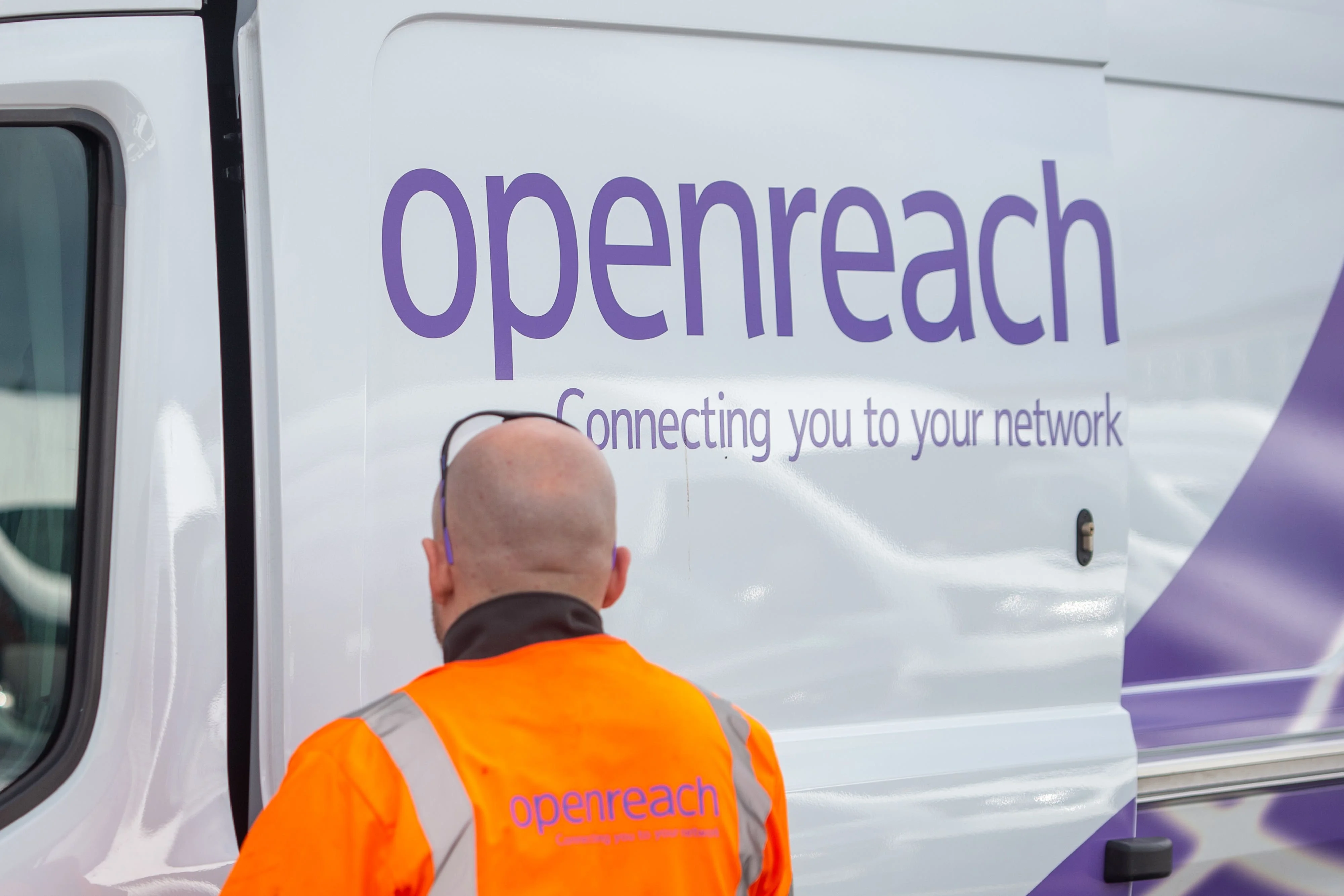
Openreach's Stated Ambitions: Openreach has frequently highlighted its progress and the benefits of full fibre, stating that its network is carrying more data than older technologies and is the "network of choice for millions." This narrative emphasizes a rapid and successful rollout.
Customer Discrepancies: Reports have emerged where Openreach initially agreed to install full fibre, only to later deem the connection "uneconomical" due to circumstantial issues, such as blockages in underground conduits.
Regulatory Scrutiny: The company's dominance in the market has also drawn attention, with suggestions that curbs on its market power could put the UK's fibre rollout at risk.
Economic Projections: Alongside its rollout efforts, Openreach has also commissioned reports projecting significant economic benefits from widespread full fibre adoption, estimating a potential £66 billion boost to the UK economy.
Read More: India's AI Summit Starts with Long Lines and Confusion
Key Events and Actors
Openreach: The primary entity involved, responsible for network infrastructure. Its actions and declarations are central to the issue.
Consumers: Individuals experiencing difficulties in obtaining full fibre connections despite Openreach's overall expansion.
Internet Service Providers (ISPs): These companies rely on Openreach's network to supply services to customers. They are often unable to offer full fibre if Openreach designates an address as unserviceable or uneconomical.
The Guardian (Consumer Champions): Has highlighted specific cases where consumers have encountered these issues.
Financial Times (FT): Has reported on Openreach's strategic decisions, including potential disputes with regulators and the viability of its fibre targets.
BT Group: As the parent company, BT's CEO has considered spinning off Openreach, suggesting a potential strategic re-evaluation.
The Core Conflict: Commitment vs. Practicality
The central tension lies in the discrepancy between Openreach's broad claims of successful and extensive full fibre deployment and the individual experiences of customers being told that such connections are "uneconomical."
Read More: Woman Says Jail is Best Place for Her to Get Better

Openreach's Public Position: The company emphasizes the widespread availability of its full fibre network and its positive impact on the UK's digital capabilities and economy. It frames the full fibre rollout as a resounding success, a "digital revolution."
Individual Property Challenges: In specific instances, such as the case reported by The Guardian in Teignmouth, Devon, Openreach found solutions after consumer intervention, but later cited "blockages in the conduits below the road" as reasons for declaring the connection uneconomical. This suggests that while a solution might exist, the cost or effort involved is deemed too high by the company for that particular connection.
ISP Limitations: When Openreach declares a property "connectable" for its services, other ISPs will only quote for full fibre. If Openreach then declares it "uneconomical," these ISPs cannot proceed, leaving the consumer without a viable upgrade path.
Read More: Infosys and Anthropic Work Together on AI
Market Dynamics and Regulatory Landscape
Openreach operates in a complex environment shaped by its market position and regulatory oversight.

Market Dominance Concerns: Reports indicate that Openreach perceives its market dominance as being under threat, with suggestions that regulatory curbs could jeopardize the UK's fibre rollout. This raises questions about whether the company's investment decisions are influenced by competitive pressures or regulatory constraints.
Potential Strategic Changes: The possibility of BT Group spinning off Openreach has been raised, indicating potential shifts in how the company's infrastructure assets are valued and managed. This could have implications for future investment strategies and service provision.
Regulator's Role: The dispute between Openreach and its regulator, as alluded to in some reports, suggests an ongoing dialogue about the terms and conditions under which Openreach operates and the accountability for its network build.
Read More: Tyson Fury Wants Third Fight With Oleksandr Usyk
Economic Implications vs. Individual Access
The narrative surrounding full fibre broadband often focuses on its national economic benefits, but individual access issues highlight a gap between these macro-level projections and micro-level realities.
National Economic Boost: Reports commissioned by Openreach suggest that ultrafast full fibre broadband could deliver a £66 billion boost to the UK economy, support hundreds of thousands of jobs, and improve public services.
Individual Bottlenecks: However, if Openreach consistently deems individual connections "uneconomical" due to localized physical challenges, this limits the ubiquity of these benefits, potentially creating digital disparities.
Expert Analysis
While direct expert commentary on the specific "uneconomical" declarations for individual properties was not detailed in the provided summaries, the broader context suggests a discussion point among industry observers.
Investment vs. Profitability: Analysts have pointed out that Openreach generates significant profits, even more than BT's consumer and business segments combined, which might lead to questions about the rationale for deeming certain connections uneconomical.
Strategic Decisions: The potential spin-off of Openreach by BT Group suggests that the financial and strategic value of its fibre network is a subject of ongoing evaluation at the highest levels.
Read More: Redmi Note 15 Pro+ Is Tough and Lasts Long, But Not the Newest
Conclusion and Outlook
The evidence points to a significant disconnect between Openreach's ambitious public messaging on full fibre broadband expansion and the practical challenges encountered by some consumers. While Openreach highlights the overall success and economic advantages of its network, instances of declaring connections "uneconomical" create a dilemma for individuals seeking faster internet.
Consumer Frustration: Customers are left in a difficult position, unable to upgrade their broadband service despite the broader rollout claims.
Transparency Questions: The shift from apparent feasibility to an "uneconomical" designation raises questions about the transparency and consistency of Openreach's assessment processes for individual connections.
Impact on Rollout Goals: The ongoing dialogue with regulators and the potential for strategic changes within BT Group suggest that the future of Openreach's fibre deployment may be subject to further scrutiny and potential adjustments.
Read More: Quebecois Horse Aims for First Steeplechase Win at Newbury Race
Further investigation into the specific criteria Openreach uses to define a connection as "uneconomical" and the process for appealing such designations would be beneficial.
Sources Used:
The Guardian: Reports on individual consumer experiences with Openreach.
Openreach said yes to full fibre broadband, then branded it ‘uneconomical’
Financial Times (FT): Provides insights into Openreach's strategic position, its relationship with regulators, and the overall fibre rollout narrative.
Openreach boss threatens to scrap UK fibre target in dispute with regulator
Openreach says UK fibre rollout at risk from curbs on its dominance
Openreach: Official company statement on its network progress and vision.
Openreach at 20: Britain’s booming broadband revolution shows no sign of slowing down
ispreview.co.uk (via AOL): Reports on potential corporate restructuring for Openreach within BT Group.
BT CEO May Consider Spinning Off Openreach After UK Full Fibre Build
The Independent: Publishes research and statements regarding the economic benefits of Openreach's full fibre network.
Upgrade to Openreach ultrafast full fibre broadband ‘could deliver £66bn boost’
Read More: Reddit Uses AI to Help But Focuses on Real People