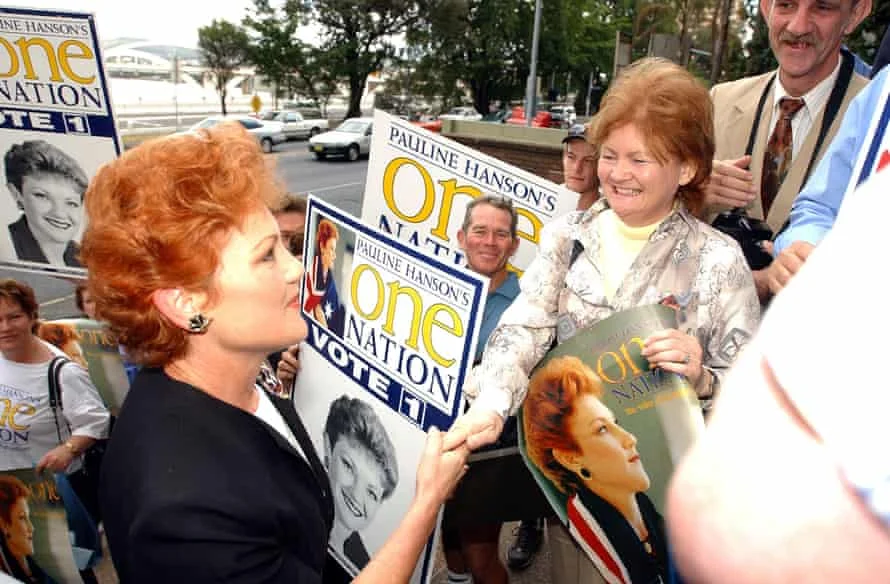
Canberra, ACT - Pauline Hanson’s One Nation party has achieved a significant milestone, securing its first federal lower house seat in the recent by-election for the electorate of Farrer. This victory, hard on the heels of notable results in South Australia, marks a potent surge in the party's support, forcing major political entities to recalibrate their strategies amidst a rising tide of right-wing populism. The landscape is shifting, with both the governing Labor Party and the opposition Liberal-National Coalition reportedly adjusting policy stances to counter the growing voter discontent that fuels Hanson’s platform.

The capture of Farrer, a seat previously held by conservative parties for over 75 years, is a stark indicator of One Nation's expanding influence, particularly in regional Australia. Hanson herself has been quick to claim credit for policy shifts among the major parties, pointing to the abandonment of a net-zero emissions target as an example of her party’s impact. This comes after nearly three decades of Hanson's presence in national politics, during which her often inflammatory rhetoric on immigration and race has, paradoxically, seen her public support now reaching levels not seen in 25 years.
Read More: Bill Cassidy Out: Louisiana GOP Senate Race Goes to Letlow vs Fleming
Major Parties Realigning
The electoral success in Farrer is not an isolated incident. It follows a historic result at the South Australian state election, which has amplified concerns within the established parties. Observers suggest that the Coalition is actively pursuing populist policies in an attempt to woo back conservative voters drifting towards One Nation. Similarly, the Labor Party is reportedly grappling with how to address the economic anxieties that are increasingly pushing electorates towards right-wing populism.

One Nation's candidate in Farrer, David Farley, unseated a conservative representative, marking the party’s inaugural lower house victory in its 30-year history.
Hanson has been vocal about her party's intentions, promising to leverage this momentum to push for action on issues like a gas tax and reduced immigration levels.
The Liberal Party itself appears divided, with some moderates, such as Tim Wilson, not entirely ruling out future coalitions with One Nation, while others, like Andrew Bragg, reject the notion.
Hanson's Enduring Platform and Past Controversies
Hanson's political brand, often likened to international figures such as Nigel Farage, centres on a strong opposition to immigration and multiculturalism. This stance has remained a consistent theme throughout her career, frequently linked to her explanations for issues like housing affordability and wage stagnation. She has also expressed skepticism regarding climate change, questioning its human origins despite prevailing scientific consensus, and has a voting record generally opposed to climate mitigation strategies.
Read More: Stephen Crichton keeps NSW State of Origin center spot for June 2026

Despite a career punctuated by controversy—including past remarks on 'good Muslims', her expressed support for Donald Trump, and the re-hiring of a convicted sex offender by her party—Hanson's public image appears largely unaffected, with supporters framing such issues as secondary to her core message. Her political journey has seen periods outside federal parliament, marked by failed campaigns and internal party strife, including a conviction for electoral fraud that was later overturned on appeal.
The broader electoral system in Australia, particularly preferential voting, has historically acted as a check on One Nation's potential to dominate. Analysts and pollsters indicate that strong resistance from non-One Nation voters might temper the party’s long-term ascendancy, making widespread dominance unlikely in the immediate future. Nevertheless, the recent gains signal a significant recalibration of Australian political dynamics.
Read More: Newsom Has Secret Plan to Stop Two Republicans in Governor Race