


Many individuals who compete at the Olympic level dedicate their lives to athletic training, a pursuit that often requires immense sacrifice. Yet, the financial realities of elite sports mean that even top-tier athletes frequently supplement their training with employment outside of their sport. This report examines the varied professional lives of Olympic athletes, revealing a consistent pattern of them holding "normal" jobs to support their demanding Olympic dreams.
The journey to becoming an Olympian is arduous, demanding years of focused training, strict discipline, and significant personal investment. While the glory of Olympic competition is undeniable, the financial remuneration for many athletes does not always align with the immense commitment required. Evidence suggests that the lifestyle of an Olympian often necessitates a dual focus: maintaining peak physical condition for competition while simultaneously earning a living through other professional endeavors. This dual role is not merely a footnote but a fundamental aspect of how many athletes sustain their Olympic aspirations.
Read More: 2026 March Madness Round 2: Where to Watch Games on CBS, TBS, truTV, and Streaming
The Financial Landscape for Olympians
The pursuit of Olympic excellence often presents a stark financial contrast to the widespread perception of athletes as solely professionals supported by their sport. Research indicates that many Olympians do not earn sufficient income from their athletic endeavors to solely support themselves. This economic reality compels a significant portion of these athletes to seek employment in various sectors, blending the discipline of sport with the responsibilities of a conventional career.
Income Discrepancies: While specific figures vary, it is understood that prize money and direct sponsorships may not cover the extensive costs associated with elite training, travel, and living expenses for the majority of Olympic athletes.
Time Commitment: The rigorous training schedules required for Olympic-level competition often demand 70-80 hours per week, as noted in some accounts, which presents a logistical challenge when combined with the demands of a full-time job.
Diverse Employment: Athletes are observed to engage in a wide array of professions, ranging from skilled trades to demanding academic pursuits, demonstrating their adaptability and the broad spectrum of their capabilities beyond athletics.
Evidence of Dual Careers
Reports from various sources highlight numerous instances of Olympic athletes maintaining or pursuing "normal" jobs alongside their athletic training. These examples offer a glimpse into the practical ways athletes manage their careers and financial needs.
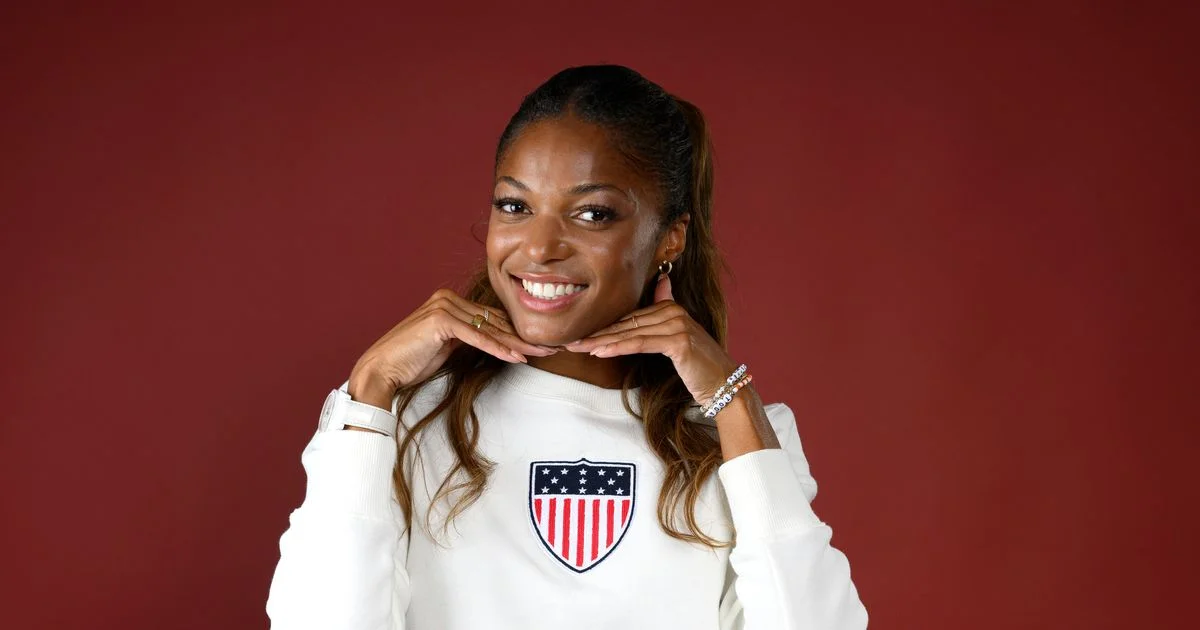
Examples of Occupations:
Medical School Student: Kat Holmes, an American Olympic fencer, is documented as a medical school student.
Skilled Trades: Aly Bull, an Australian Olympic canoeist, works as a firefighter, and Kurtis Imrie, a New Zealand Olympic canoeist, is an electrician.
Entrepreneurship and Business: Some former professional athletes have transitioned into roles such as co-founding law firms or managing wealth advisory firms, indicating a strategic use of their skills and experiences.
Creative and Service Industries: Athletes have been noted to pursue roles as content creators, while others have engaged in part-time retail or pet-sitting services.
Agriculture and Sports Commentary: Some individuals have returned to careers like running cricket farms or providing expert analysis for sports media.
The Nature of "Normal" Jobs
The term "normal jobs" in the context of Olympic athletes encompasses a broad spectrum of professions. These roles are generally characterized by regular employment structures and responsibilities that differ significantly from full-time athletic pursuits.
Read More: Living Room 'Kitchen Gem' Stays Put After Owner Declares 'Never Going Back' on March 15
Varied Sectors: The employment sectors represented are diverse, including:
Public Service: Firefighting and coaching roles.
Skilled Trades: Electricians and those in agricultural work.
Professional Services: Law, finance, and medical fields.
Entrepreneurial Ventures: Owning businesses or creating online content.
Service and Retail: Part-time positions offering flexibility.
Post-Athletic Careers
Beyond their Olympic careers, many former professional athletes transition into a variety of professional fields. This often involves leveraging the discipline, teamwork, and strategic thinking developed through sports into new endeavors.
Financial Management: Former athletes are frequently seen entering roles as financial advisors or wealth managers, assisting other athletes or clients.
Business Ownership: The establishment of businesses, such as trucking companies or advisory firms, is a common path.
Media and Commentary: Many leverage their expertise to work in sports media, providing analysis and commentary.
Philanthropy and Community Service: Some athletes dedicate their post-career lives to charitable work, using their platform for positive social impact.
Expert Insights
Discussions surrounding the financial aspects of elite sports consistently point to the necessity for athletes to manage their careers alongside their training.
"While elite athletes may engage in entrepreneurial ventures or serve on boards, Olympic athletes often juggle rigorous training schedules alongside their careers." - Gameofjobs.org
This observation underscores the prevalent situation where athletic participation is not always a self-sustaining profession, requiring athletes to seek external income streams. The integration of diverse career paths with Olympic ambitions is a recognized phenomenon within the sports world.
Conclusion
The evidence clearly indicates that a significant number of Olympic athletes, both active and former, maintain or transition into "normal jobs" to support their athletic pursuits and their lives beyond sport. This is a widespread practice driven by the economic realities of elite competition, where direct earnings from sport may not fully cover an athlete's needs. The diverse range of professions adopted by these individuals, from skilled trades to academic pursuits and business ventures, demonstrates their resourcefulness and multifaceted capabilities. The pattern of athletes balancing demanding careers with their Olympic training is a testament to their dedication and resilience, highlighting the complex interplay between athletic dreams and the practical demands of everyday life. Further investigation could explore the specific financial support structures available to athletes across different national Olympic committees and the long-term career trajectories of Olympians post-retirement.
Read More: Beninese striker Adnan Aziz nears Argentina club contract after successful trial
Sources
Alot.com: This source provides information on former professional athletes who have transitioned to conventional employment, offering examples of post-sport careers in fields like law, business, and media commentary.🔗 https://living.alot.com/entertainment/former-pro-athletes-who-now-work-normal-jobs—20388
Slate.com: Published on August 2, 2024, this article delves into how Olympians make money, highlighting the need for side jobs and the challenging financial aspects of elite athletic training, including accounts of athletes working extensive hours across multiple gigs.🔗 https://slate.com/culture/2024/08/olympians-make-money-how-much-day-jobs-normal-side-hustles.html
Buzzfeed.com: Published on July 21, 2024, this article lists Paris 2024 Olympic and Paralympic athletes who hold "normal" jobs, providing specific examples of athletes' occupations such as medical students, firefighters, electricians, and content creators.🔗 https://www.buzzfeed.com/kristenharris1/olympic-paralympic-athletes-day-jobs
OK.co.uk: Published on August 10, 2024, this piece discusses Olympic stars returning to their day jobs, illustrating diverse professions including farming and entertainment-related roles.🔗 https://www.ok.co.uk/celebrity-news/olympics-stars-normal-jobs-paris-33423304
Kate-knows.com: Published on July 30, 2025, this source details retired professional athletes now working in "normal jobs," focusing on their post-athletic careers in areas like financial advising and sports media.🔗 https://kate-knows.com/30-retired-pro-athletes-now-working-normal-jobs/
Gameofjobs.org: Published on December 5, 2025, this article addresses whether Olympic athletes have regular jobs, confirming that they often do, and discusses how they make a living while managing training schedules.🔗 https://gameofjobs.org/do-olympians-work-ordinary-jobs.html
Newarena.com: Published on March 1, 2024, this source features former star athletes who have shifted to normal careers, detailing their transitions into fields such as financial advising, business ownership, and coaching.🔗 https://newarena.com/sports/former-star-athletes-who-shifted-to-normal-careers/




:max_bytes(150000):strip_icc():focal(749x0:751x2)/jamie-lee-curtis-2-cf2865eec0714947b28ee1ec8e5d41eb.jpg)

