Athletes participating in the Winter Olympics have shared mixed feelings about representing the United States, citing domestic issues and the current political climate. These statements have led to a strong backlash from some segments of the public, including former President Donald Trump and those identifying with the "MAGA" movement.

Context and Timeline
The controversy began to surface in early February 2024, as the Winter Olympics in Milan Cortina were approaching and underway. Several U.S. athletes used press conferences and social media platforms to voice their opinions on their participation.

Early February 2024: Reports indicate that Olympic skier Hunter Hess made comments about his feelings regarding representing the U.S. at the Games.
Mid-February 2024: Figure skater Amber Glenn, who is openly queer, spoke about the challenges faced by the LGBTQ+ community and stated she had "mixed emotions" about representing the U.S. due to political issues. She also referenced President Donald Trump's past treatment of the LGBTQ+ community.
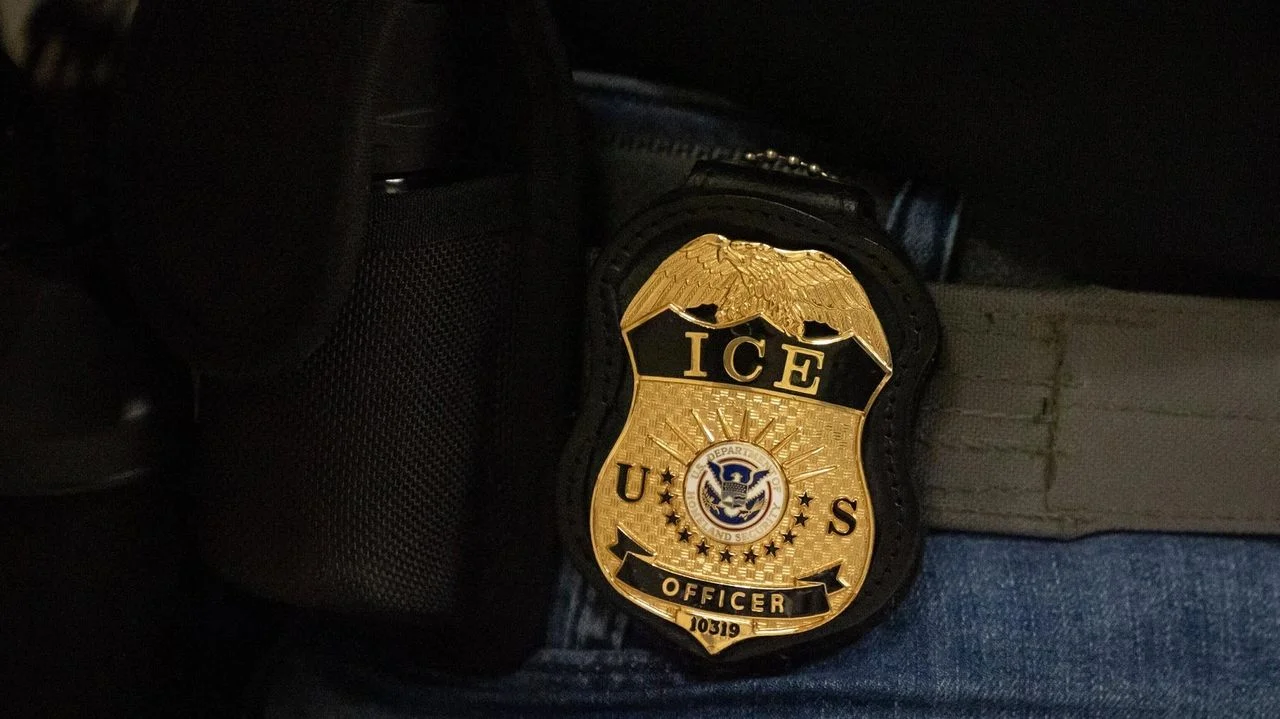
Following Athlete Statements: Similar sentiments were expressed by other athletes, including freestyle skier Chris Lillis and cross-country skier Jessie Diggins, who also noted "mixed emotions" and highlighted specific concerns such as ICE raids and the need for greater respect for citizens' rights.
Public and Political Reactions
The athletes' disclosures quickly drew attention and criticism, particularly from individuals and groups who strongly support former President Donald Trump and the "MAGA" movement.
Read More: Italian Athletes Do Well at Home in Winter Olympics

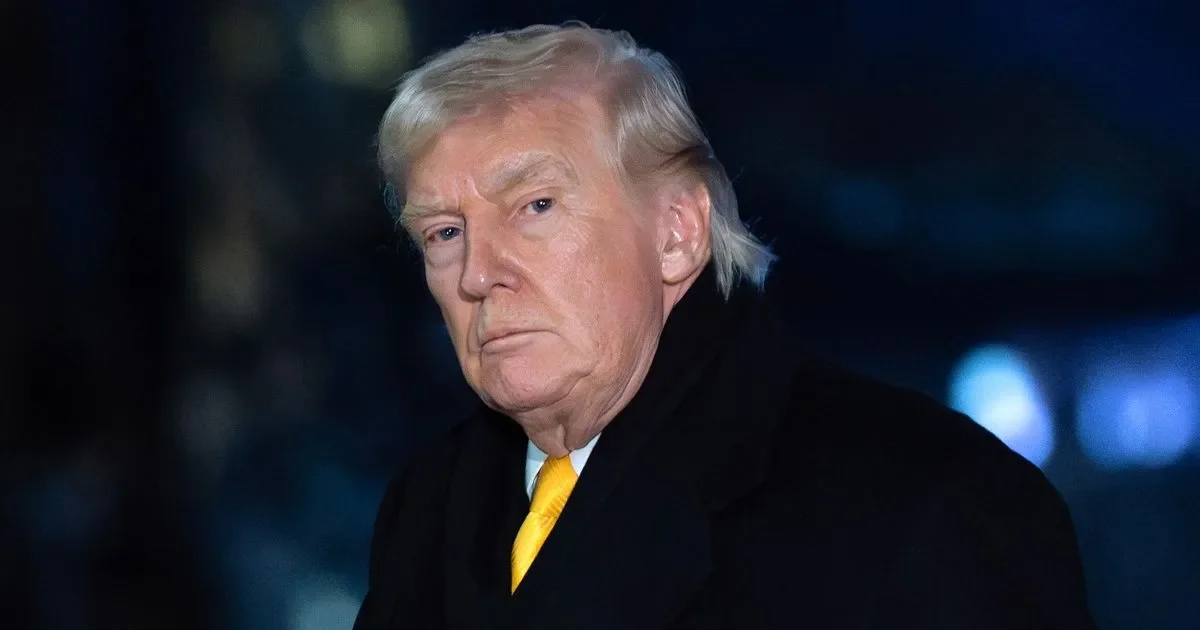
Donald Trump's Response: Former President Trump publicly criticized Olympian Hunter Hess on the social media platform X (formerly Twitter), stating that Hess should not have worn the U.S. uniform if he held such views.
MAGA Movement Response: Social media accounts and commentators associated with the "MAGA" movement expressed anger and disappointment. Many accused the athletes of being unpatriotic, "woke," or disrespectful to the country. Some suggested that athletes with such sentiments should consider relinquishing their citizenship or representing another nation.
Calls for Silence: Certain reactions suggested that athletes should refrain from discussing political matters or express only positive sentiments about the U.S.
Athletes' Experiences and Statements
The athletes who spoke out defended their right to express their views, often citing freedom of speech. However, some reported facing severe negative consequences.
Read More: ICE Agents Arrested After Claims of Bad Behavior and Crime

Amber Glenn: Glenn stated that she received "a scary amount of hate and threats" for "simply using my voice" when asked about Donald Trump's treatment of the LGBTQ+ community. As a result, she decided to take a temporary break from social media. She identified herself as the first openly queer woman to represent Team USA in figure skating.
Chris Lillis: Lillis mentioned feeling "heartbroken about what’s happening in the United States" and that his participation came with "personal moral and political considerations."
Hunter Hess: Hess reportedly stated, "There’s obviously a lot that I’m not the biggest fan of, and I think a lot of people aren’t."
Jessie Diggins: Diggins sought to clarify that while she might disagree with certain aspects of the U.S., she was proud to represent the nation and its community, hoping to bring joy to people.
Analysis of Public Discourse
The events highlight a divide in how national representation and political expression are perceived by different groups within the United States.
Read More: Lindsey Vonn Hurt in Ski Race Crash
Patriotism vs. Dissent: One perspective, prevalent among critics, views any expression of dissatisfaction or "mixed emotions" by an athlete representing the U.S. as a form of disloyalty or disrespect. This viewpoint often aligns with a strong, uncritical endorsement of national symbols and political figures.
Freedom of Speech and Representation: Conversely, athletes and their supporters emphasize the First Amendment right to free speech, arguing that athletes, like all citizens, are entitled to express their views on societal and political matters, even when those views are critical. They also suggest that representing the U.S. involves representing its ideals, which can be perceived as falling short by some.
"Woke" Culture Debate: The criticism often incorporates the term "woke," which is frequently used in contemporary political discourse to describe awareness of social injustices, particularly by the MAGA movement. Athletes expressing concerns about human rights or social issues are sometimes labeled as "woke" and criticized for bringing politics into sports.
Specific Concerns Raised by Athletes
The athletes' statements often pointed to specific domestic policies and social issues as sources of their unease.
Read More: New Law Stops Government Payments to People Who Have Died
LGBTQ+ Rights: Amber Glenn explicitly linked her discomfort to Donald Trump's past actions and policies regarding the LGBTQ+ community.
Immigration Enforcement: Chris Lillis and others mentioned concerns related to immigration enforcement, including ICE raids, as a factor influencing their feelings about representing the country.
General Social Upheaval: Broader themes of "unrest" and a general sense that the country is not reflecting certain desired values were also cited.
Expert Commentary
Commentators and observers have noted the increasing intersection of sports and politics.
"We are seeing athletes navigate a more complex environment where their public platforms are scrutinized not just for athletic performance, but for their personal beliefs and how those align with national narratives." - Statement from a sports sociology analyst.
"The strong reactions indicate a significant segment of the population expects athletes to be purely symbolic figures, devoid of personal or political commentary, especially during major international events." - Observation from a political commentator.
Conclusion and Implications
The controversy surrounding the Olympians' statements underscores a tension between national pride, political expression, and individual conscience.
Read More: Spurs Look at Tactics and Player Choices
Public Division: The incident demonstrates a clear division in public opinion regarding the role of athletes in expressing political views.
Impact on Athletes: The threats and hate directed at athletes like Amber Glenn suggest a chilling effect on open dialogue, potentially discouraging future athletes from speaking out.
Symbolism vs. Substance: The debate questions whether national representation should be solely about unalloyed patriotism or if it can encompass acknowledging and even critiquing aspects of the nation's current state. The use of freedom of speech by athletes in expressing nuanced views has clearly unsettled some who hold a more traditional, unified view of national representation.
Sources
Fox News: Trump blasts Olympian over comments about representing US. Published. https://www.foxnews.com/sports/trump-blasts-olympian-over-comments-about-representing-us
The Wrap: Olympic Figure Skater Amber Glenn Takes Social Media Break After Receiving ‘Threats’ Over Anti-Trump Comments. Published 16 hours ago. https://www.thewrap.com/culture-lifestyle/sports/olympic-figure-skater-amber-glenn-social-media-break-trump-comments-threats/
Bleeding Cool: Winter Olympics: Team USA's Anti-ICE Comments Anger MAGA Faithful. Published. https://bleedingcool.com/tv/winter-olympics-team-usas-anti-ice-comments-anger-maga-faithful/
The Daily Beast: MAGA Sent Into Full Meltdown Over ‘Traitor’ U.S. Olympians. Published 7 hours ago. https://www.thedailybeast.com/maga-sent-into-full-meltdown-over-traitor-us-olympians/
Daily Wire: Olympians Say They Have ‘Mixed Emotions’ Representing America Under Donald Trump. Published 1 hour ago. https://www.dailywire.com/news/olympians-say-they-have-mixed-emotions-representing-america-under-donald-trump
People: Olympic Figure Skater Amber Glenn Steps Away from Social Media After Receiving 'Threats' for Speaking Out Against Trump. Published 18 hours ago. https://people.com/olympic-skater-amber-glenn-received-threats-speaking-out-against-trump-11902128
The Wrap: Olympic Skier Says Representing The US 'Brings Up Mixed Emotions' Amid ICE Raids | Video. Published 2 days ago. https://www.thewrap.com/culture-lifestyle/sports/winter-olympics-skier-mixed-emotions-representing-united-states/
Sports Illustrated: Donald Trump’s ICE Mess Has Spilled Over, Staining Team USA’s Winter Olympics. Published 2 days ago. https://www.si.com/winter-olympics/2024/02/06/donald-trumps-ice-mess-staining-team-usa-winter-olympics
HuffPost: Some Winter Olympians Are Not Entirely Thrilled To Represent U.S. Amid Unrest. Published 2 days ago. https://www.huffpost.com/entry/us-olympians-mixed-feelings-unrest-icen698617ebe4b0fa2b170424c0
Read More: Lawmakers Question Attorney General Bondi on Epstein Files