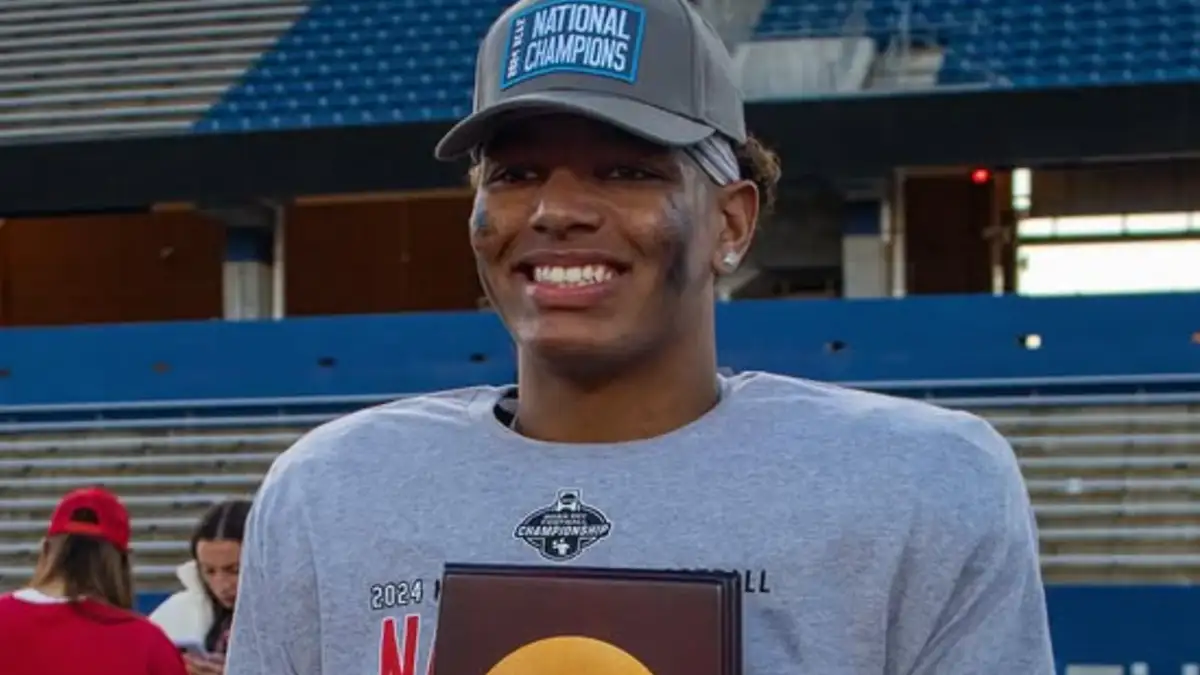
A Mississippi judge has granted a preliminary injunction, allowing Ole Miss quarterback Trinidad Chambliss to play in the 2026 season. This decision comes after the NCAA denied Chambliss' request for a sixth year of eligibility. The ruling allows Chambliss to compete while his lawsuit against the NCAA proceeds, a development that has significant implications for the university's football program and raises broader questions about NCAA eligibility standards.
Background of Eligibility Dispute
Trinidad Chambliss, a transfer from Division II Ferris State, sought an additional year of eligibility due to medical issues. He claims that during his time at Ferris State, he experienced significant health problems, including chronic tonsillitis and respiratory issues, which prevented him from playing in games during two seasons. Chambliss stated to medical professionals that he was "constantly sick and dealt with constant flare-ups." He did not participate in any games during one of those seasons at Ferris State.
Read More: Aggies Get Top Offensive Lineman Mark Matthews for 2027 Class
Despite providing documentation to the NCAA regarding these medical challenges, his waiver request was initially denied on January 9th. An appeal was also denied on February 5th. Following these denials, Chambliss filed a lawsuit against the NCAA in Lafayette County Chancery Court on January 16th, seeking a preliminary injunction to continue his playing career.

Court's Decision and NCAA Response
In a ruling delivered after an extensive hearing, Judge Robert Whitwell granted the preliminary injunction. The judge reportedly disagreed with the NCAA's assessment and indicated that the NCAA "acted in bad faith." The injunction effectively prevents the NCAA from enforcing its denial of Chambliss' eligibility while the legal proceedings continue. This temporary relief permits Chambliss to play for Ole Miss in the upcoming 2026 season.
Following the judge's decision, the NCAA acknowledged the ruling and has reportedly called for Congress to help address challenges in college athletics' eligibility rules. The NCAA retains the option to appeal Judge Whitwell's decision.
Read More: Mississippi Churches Can Now Have Armed Security Teams
Implications for Ole Miss Football
Chambliss's eligibility for the 2026 season is a significant development for Ole Miss. The quarterback played a pivotal role in the team's successful 2023 season, which culminated in their first-ever College Football Playoff appearance. During the 2023 season, Chambliss threw for 22 touchdowns and rushed for 8 more, leading Ole Miss to the CFP semifinals. His ability to play in 2026 offers continuity for the team's offensive strategy.

The legal battle and the resulting injunction highlight a growing trend of athletes turning to the courts to resolve eligibility disputes. This case, in particular, places a spotlight on the NCAA's medical hardship waiver process and its criteria for granting additional years of eligibility.
Chambliss's Medical Claims
Chambliss's legal argument centers on his assertion that he should have received a medical hardship waiver for seasons in which he was unable to play due to documented health issues. His attorneys stated that forcing him to enter the NFL Draft while his case was pending would cause "irreparable harm." The documentation submitted to the NCAA reportedly spans nearly 91 pages, detailing medical issues dating back to 2017, including contracting mononucleosis after exposure to the Epstein-Barr virus.
Read More: Michigan Football Adds 4-Star Recruit Blake Jenkins for 2025
NCAA's Stance on Eligibility
The NCAA's denials indicate a difference in interpretation regarding the severity and impact of Chambliss's medical conditions on his ability to compete. The organization's appeal process upheld the initial denial, suggesting a belief that the conditions did not meet the threshold for a medical redshirt or hardship waiver under their established rules.
Ole Miss's Preparations
Amidst the uncertainty of Chambliss's eligibility, Ole Miss had been securing commitments from other quarterbacks, including Deuce Knight (transfer from Auburn) and Walker Howard (transfer from Louisiana). The ruling potentially allows for a deeper quarterback room, depending on future roster decisions and the outcome of any potential NCAA appeal.
Expert Analysis
"This ruling is a significant win for Chambliss and Ole Miss, at least for the immediate future. It underscores the challenges the NCAA faces in navigating eligibility and medical exceptions, especially as athletes increasingly utilize legal channels."
"The judge's observation of the NCAA acting in 'bad faith' is a strong statement. If this sentiment is echoed in further legal proceedings, it could have broader ramifications for how the NCAA enforces its rules."
Conclusion and Next Steps
A Mississippi judge has granted Trinidad Chambliss a preliminary injunction, allowing him to play for Ole Miss in the 2026 season while his lawsuit against the NCAA continues. This decision overrides the NCAA's denial of his request for a sixth year of eligibility, which was based on medical hardship claims. The ruling has immediate positive implications for the Ole Miss football program, providing a key player for the upcoming season. The NCAA has the option to appeal this decision, and the ongoing legal process will determine the ultimate resolution of Chambliss's eligibility. This case highlights the evolving landscape of collegiate athletics and the legal recourse available to student-athletes.
Read More: Mississippi Senate Race: Colom Challenges Hyde-Smith Over Judgeship
Sources:
ESPN: https://www.espn.com/college-football/story//id/47912898/ole-miss-qb-trinidad-chambliss-granted-injunction-judge - Summary covers Chambliss's testimony about health issues and his performance for Ole Miss.
IBTimes UK: https://www.ibtimes.co.uk/ole-miss-qb-trinidad-chambliss-2026-eligibility-1778579 - Summary details the court ruling, the NCAA's denial, and the potential impact on Ole Miss.
USA Today: https://eu.usatoday.com/story/sports/ncaaf/2026/02/12/trinidad-chambliss-granted-injunction-ncaa-eligibility-2026-season/88645189007/ - Summary explains the potential for a sixth season, the lawsuit's filing date, and Ole Miss's recruitment of other quarterbacks.
FOX Sports: https://www.foxsports.com/stories/college-football/ole-miss-qb-trinidad-chambliss-granted-extra-year-eligibility - Summary states Chambliss can return for another season and notes his performance.
Outkick: https://www.outkick.com/sports/trinidad-chambliss-granted-injunction-ole-miss-ncaa-eligibility-2026 - Summary highlights the judge's disagreement with the NCAA and the preliminary injunction allowing play.
Fox News: https://www.foxnews.com/sports/ole-miss-quarterback-trinidad-chambliss-granted-sixth-year-ncaa-eligibility-state-judge - Summary reports the judge's ruling on eligibility.
The Game Nashville: https://www.thegamenashville.com/2026/02/12/ole-miss-qb-chambliss-eligible-for-26-judge-rules/ - Headline confirms the judge's ruling on eligibility.
The New York Times (The Athletic): https://www.nytimes.com/athletic/7043013/2026/02/12/trinidad-chambliss-eligibility-ole-miss-ncaa-court-case/ - Summary details the judge's decision, Chambliss's medical hardship claim, and the potential for irreparable harm.
The Rebel Walk: https://therebelwalk.com/2026/02/breaking-judge-rules-in-trinidad-chambliss-favor-grants-temporary-injunction-allowing-him-to-play-in-2026/ - Summary states the judge granted a preliminary injunction temporarily blocking the NCAA's ruling.
ClutchPoints: https://www.clutchpoints.com/ncaa-football/ole-miss-football-news-trinidad-chambliss-6th-year-eligibility-catch - Summary notes Chambliss won a legal win and can play for another year, but an appeal is likely.
WTOP News: https://wtop.com/ncaa-football/2026/02/judge-grants-ole-miss-qb-trinidad-chambliss-a-preliminary-injunction-for-extra-eligibility/ - Summary mentions the NCAA's denial, the documentation submitted, and Chambliss's performance and history.
WTOK: https://www.wtok.com/2026/02/12/judge-rules-trinidad-chambliss-eligible-play-another-year-ole-miss/ - Summary confirms the judge's ruling and mentions the lawsuit was filed after eligibility denial, with arguments resting on medical challenges.