Reports indicate NVIDIA is rekindling plans for its RTX 50 Super series of graphics cards, with a potential 2026 launch. A notable addition to the rumored lineup is an 'RTX 5060 Super' variant boasting 12GB of VRAM, a move that could be influenced by shifts in memory availability and competition.
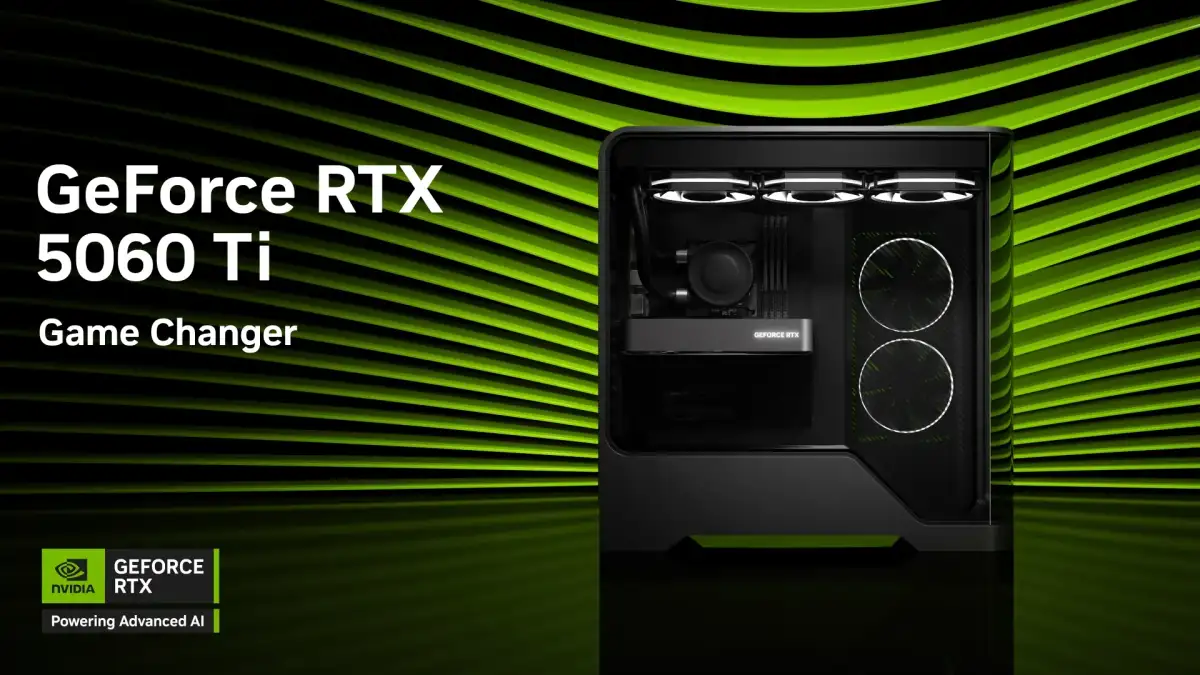
Recent leaks and industry whispers suggest that NVIDIA is revisiting its strategy for the RTX 50 Super lineup, despite earlier speculation pointing towards a potential cancellation. This renewed push for consumer-focused refreshes comes after a period where NVIDIA's focus appeared to be heavily directed towards AI-centric products.
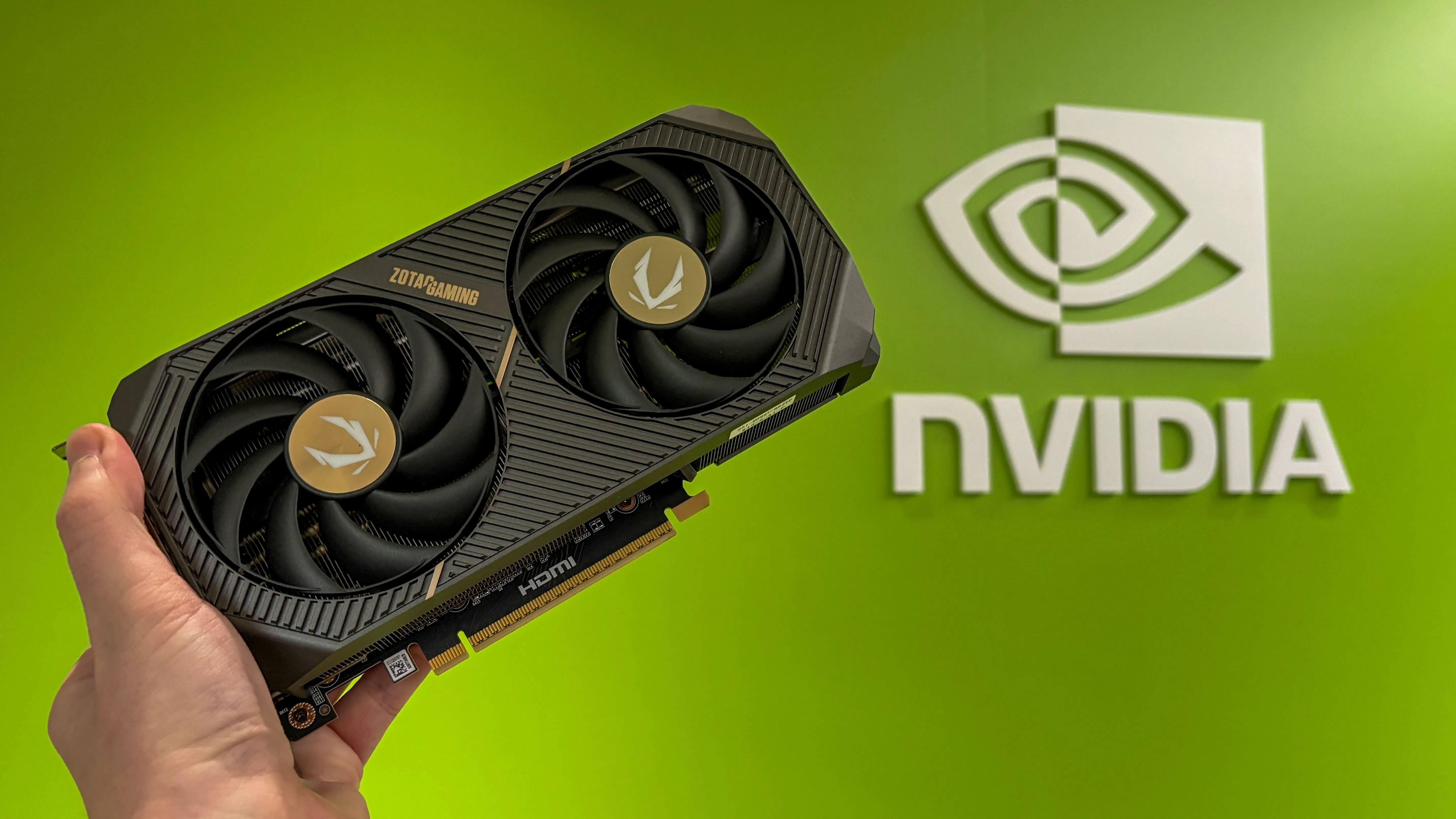
RTX 5060 SUPER: A 12GB CONTENDER
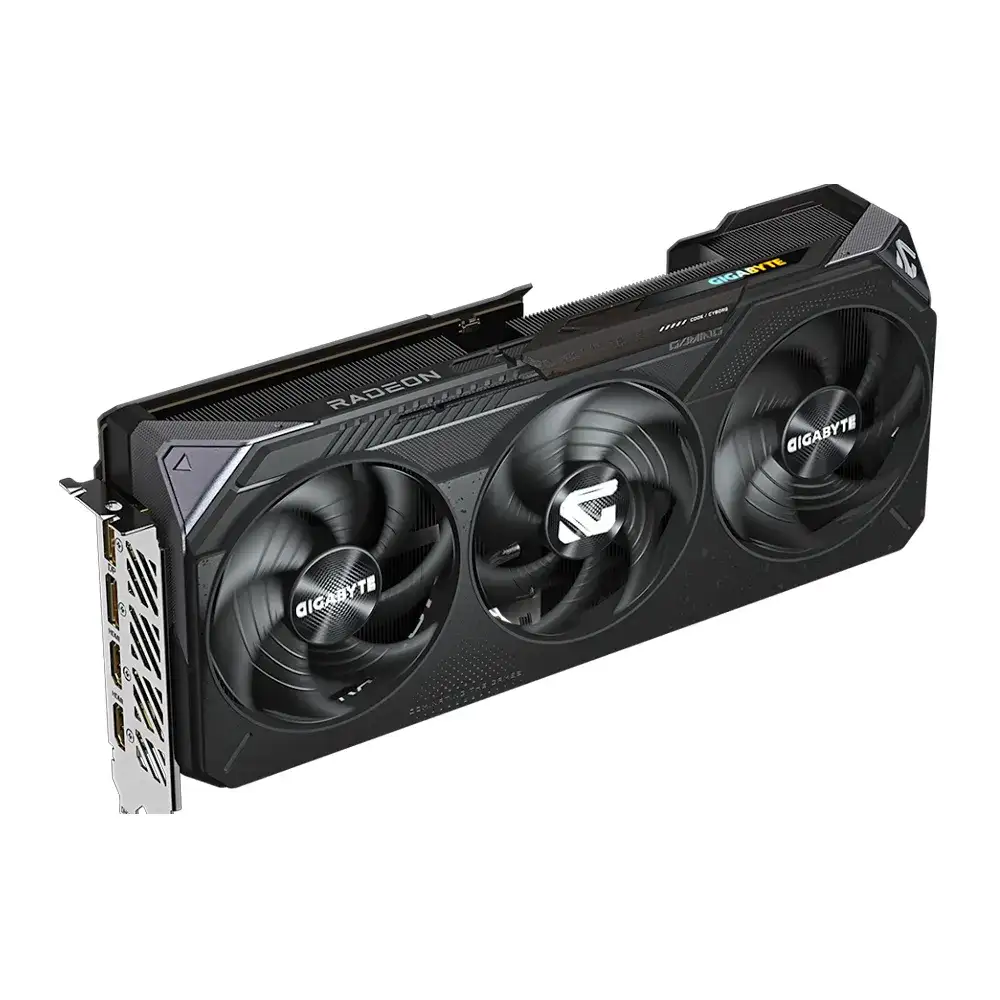
The potential inclusion of an RTX 5060 Super with 12GB of GDDR7 memory stands out. This particular configuration, using 3GB memory modules over a 128-bit bus, could offer a competitive edge in scenarios where VRAM is a bottleneck. Such a move might also serve as a response to offerings like AMD's RX 9070 GRE, which features similar memory capacities.
Read More: Chrome mimeHandler API lets extensions handle file types

The specifications suggest a possible aim to compete with AMD's recent graphics card releases.
There's an expressed hope among some observers that NVIDIA will consider more sensible pricing for this model, given recent consumer sentiment around graphics card costs.
MEMORY CONSTRAINTS AND STRATEGIC SHIFTS
The viability and timing of the RTX 50 Super series appear intricately linked to memory supply dynamics. Reports suggest NVIDIA may have surplus GDDR7 memory originally earmarked for AI applications.
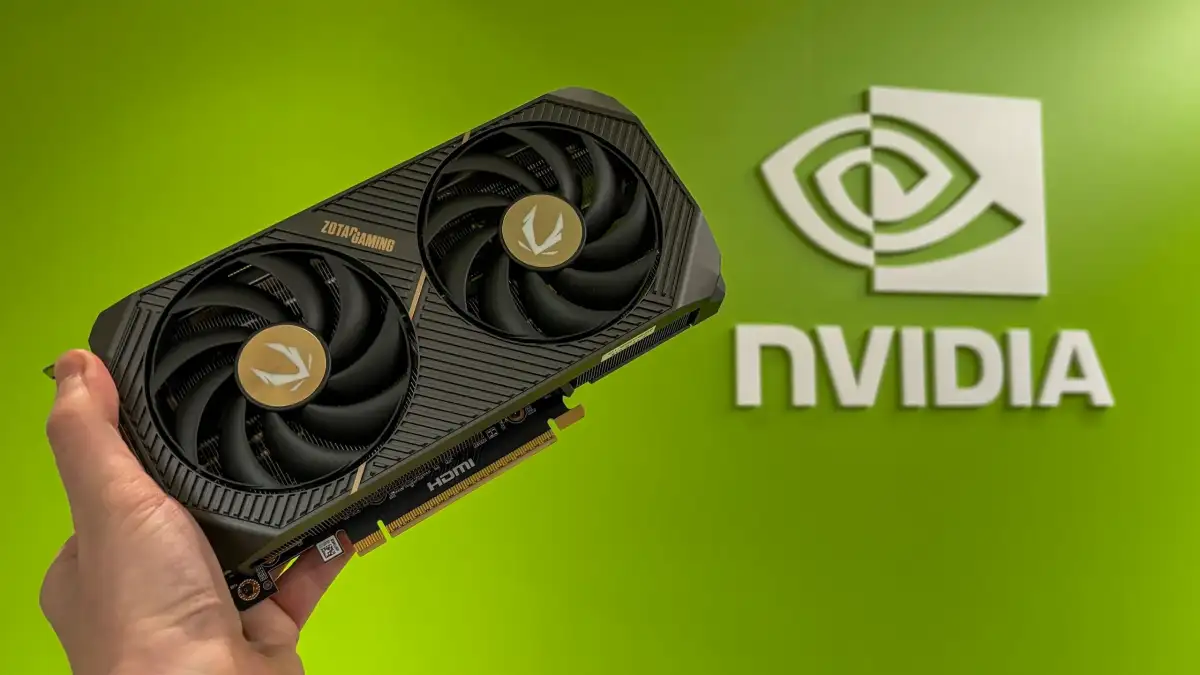
This situation could be a driving factor behind NVIDIA reconsidering consumer GPU refreshes.
Previously, concerns about a "Ramageddon" or memory shortage were believed to have impacted the rollout of new NVIDIA consumer cards.
Some analyses posit that NVIDIA's prioritization of GDDR7 for AI products might delay or alter the RTX 50 Super series, or even affect all RTX 50-series GPUs.
HISTORICAL CONTEXT AND MARKET POSITIONING
The RTX Super series typically arrives approximately a year after the initial base model launch. The RTX 40 SUPER series, for instance, launched at a price point generally lower than their non-Super counterparts.
NVIDIA's prior RTX SUPER releases generally aimed for competitive pricing relative to their base models.
However, current market conditions and reported price escalations for RTX 50-series GPUs raise questions about whether this tradition will hold.
The initial launch of the Blackwell architecture, which underpins the RTX 50 series, was presented as inclusive, starting at $299, with enhanced features for both gaming and creative workflows, including AI-powered enhancements and DLSS 4.
Sources:





/content/opengraph/MTG-Top-10-Best-Commander-Cards-From-Magic-The-Gathering-Marvel-Super-Heroes-MSC-MSH.png)