Nvidia's RTX 50 Series of graphics cards, featuring fourth-generation RT Cores and fifth-generation Tensor Cores, promises significant advancements in visual rendering and processing capabilities. This latest iteration builds upon established RTX technologies like path tracing and neural rendering, with an emphasis on multi-frame generation (MFG) and transformative models.
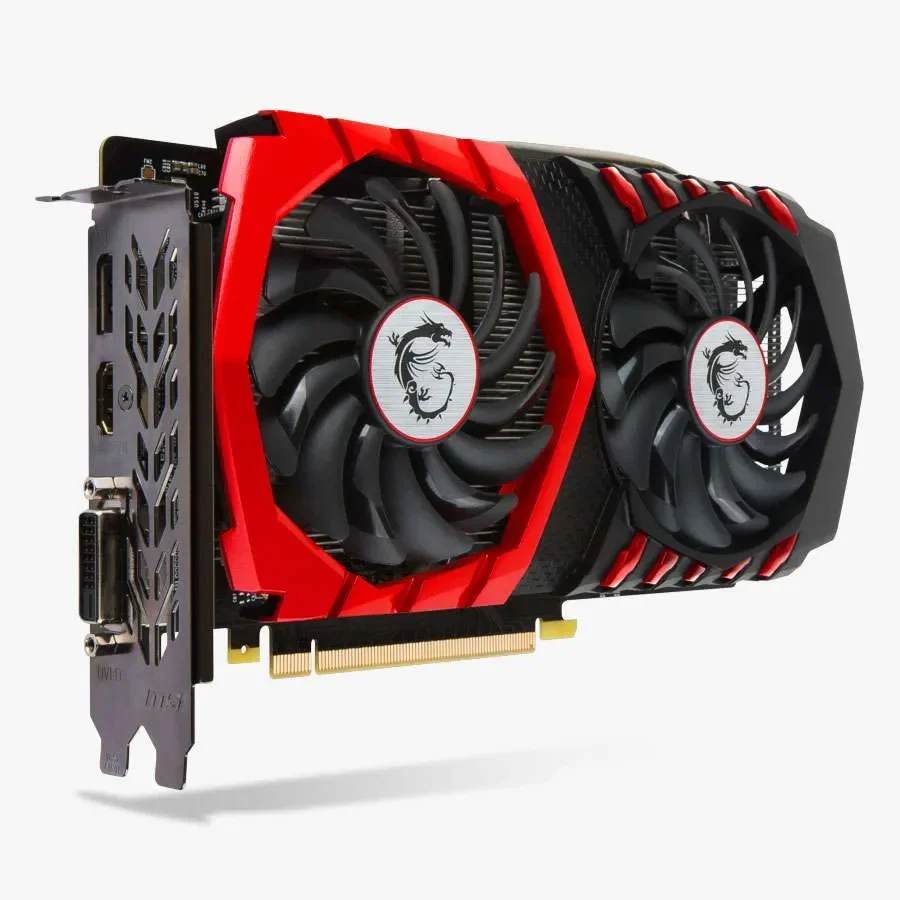
The RTX platform, fundamentally an "eXtreme Ray Tracing" architecture, extends beyond gaming to professional applications such as architectural design, scientific visualization, and film production. Its integration of artificial intelligence, alongside standard data formats and rasterization support, underscores a push towards more sophisticated graphical simulation and rendering. The progression to GDDR7 memory in some models further signifies an effort to boost data transfer speeds, though some lines, like the RTX 5060, appear to retain GDDR6.
Shifting Landscapes of Graphics Cards
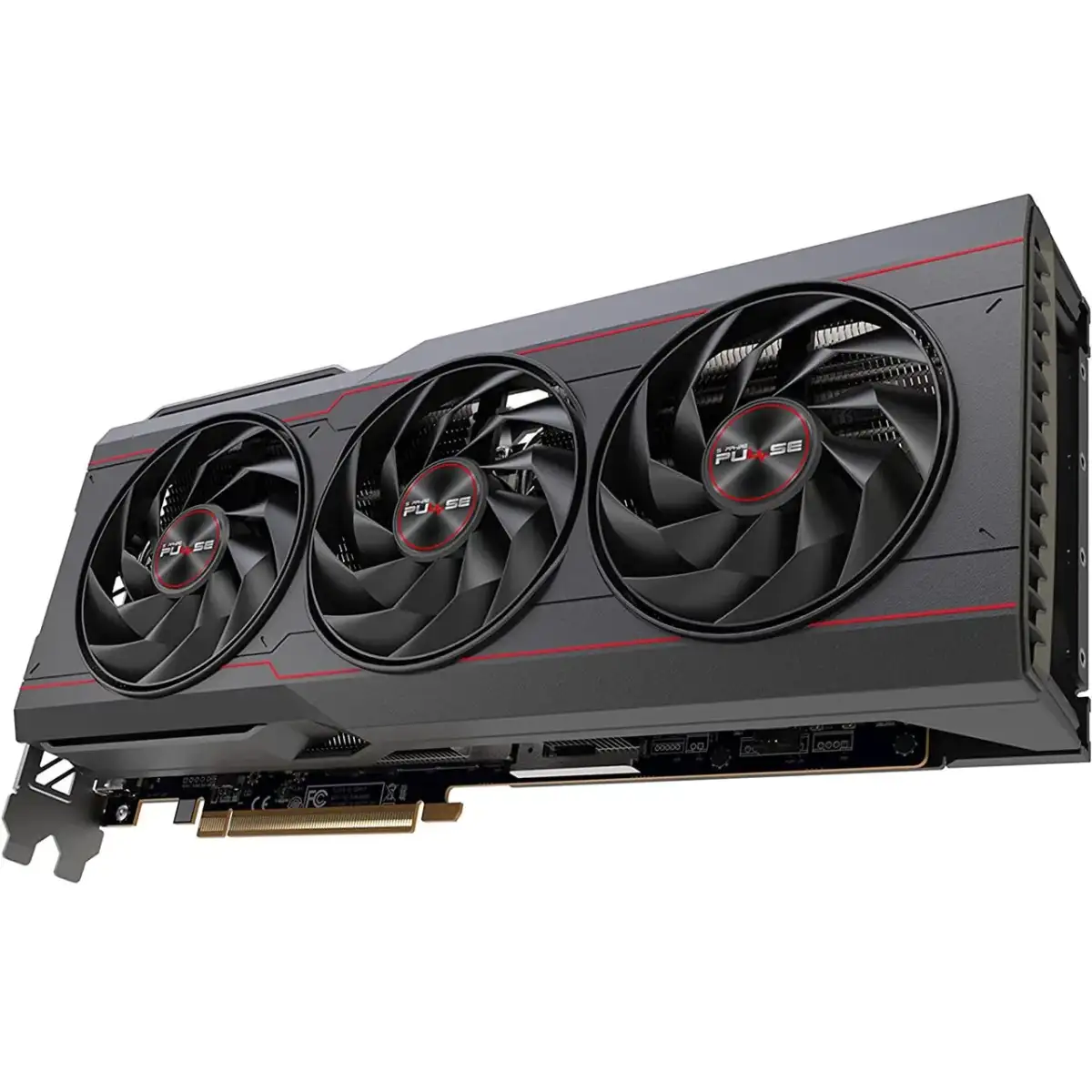
Recent market observations, particularly from May 2026, reveal a broad availability of various RTX 50 Series models, with listings for the RTX 5060 and RTX 5070 appearing frequently across retail platforms. Models like the RTX 5080 are also present, often in configurations indicating higher memory capacities, such as 16GB. This suggests a tiered product stack designed to cater to different performance and budgetary needs.
Read More: Claude API Costs High For Developers, Some Pay $100 Weekly
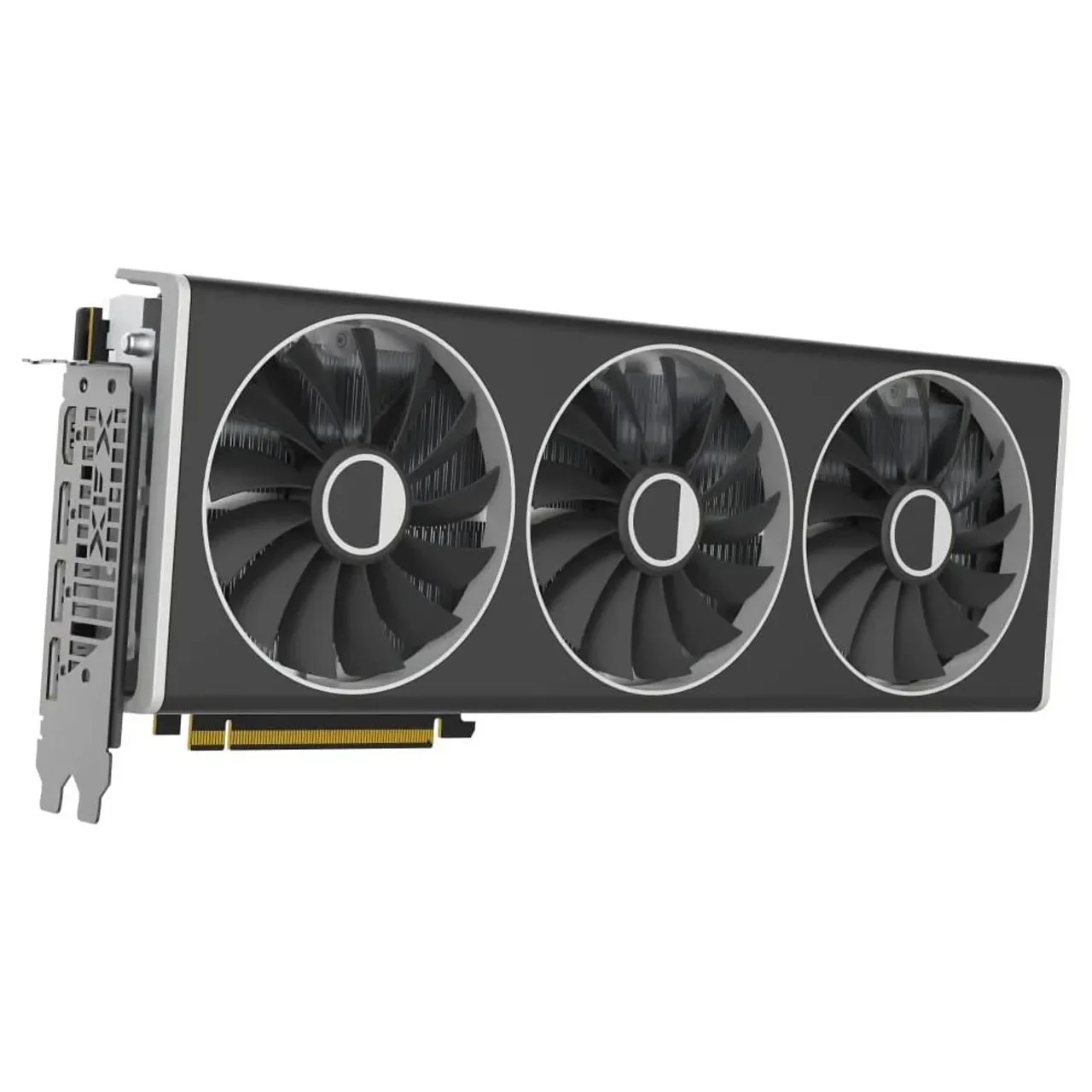
The broader context of graphics card acquisition in 2026 highlights persistent concerns regarding pricing and availability, a trend noted as early as May 12, 2026. Factors influencing purchase decisions extend beyond raw specifications to include power consumption – with a 750W power supply recommended for certain configurations like the RTX 5080 – and the strategic use of upscaling technologies like DLSS to optimize frame rates.
Technological Underpinnings of RTX
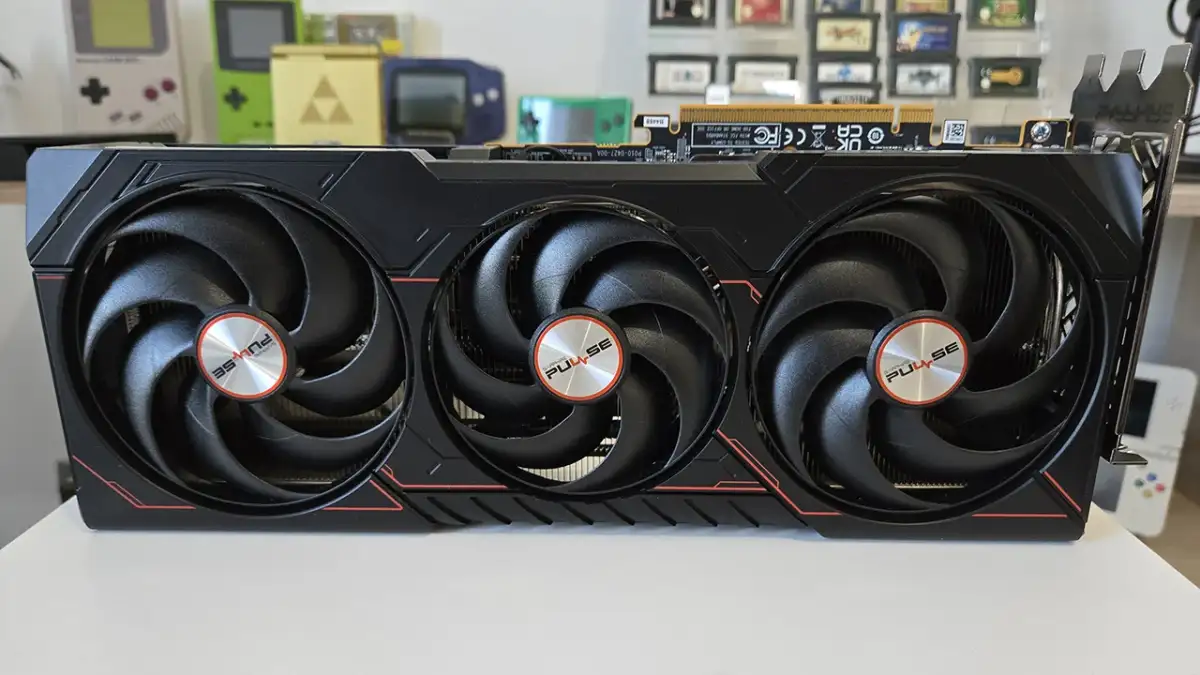
Nvidia's proprietary RTX technology aims to revolutionize gaming and content creation through advanced rendering techniques. The platform's core innovation lies in its sophisticated approach to simulating light and its interactions within a virtual environment, a process often referred to as ray tracing. This is augmented by AI-driven features, most notably DLSS (Deep Learning Super Sampling), which employs neural networks to enhance image quality and performance. The latest developments, such as DLSS 4 with its multi-frame generation capabilities, represent an ongoing evolution of these AI-assisted visual enhancements.
Read More: Pokemon Sales Top 515 Million; Trading Cards Gain Value
Historically, Nvidia's RTX architecture has been instrumental in bringing real-time ray tracing to consumer-level hardware. The introduction of the RTX A6000, based on the Ampere architecture, marked a significant step in professional graphics, effectively replacing the older Quadro line. This professional lineage often informs the development of consumer-grade RTX cards, bringing enterprise-level advancements to a broader audience. The RTX 50 Series, with its upgraded RT and Tensor Cores, is presented as the next significant leap in this evolutionary trajectory.