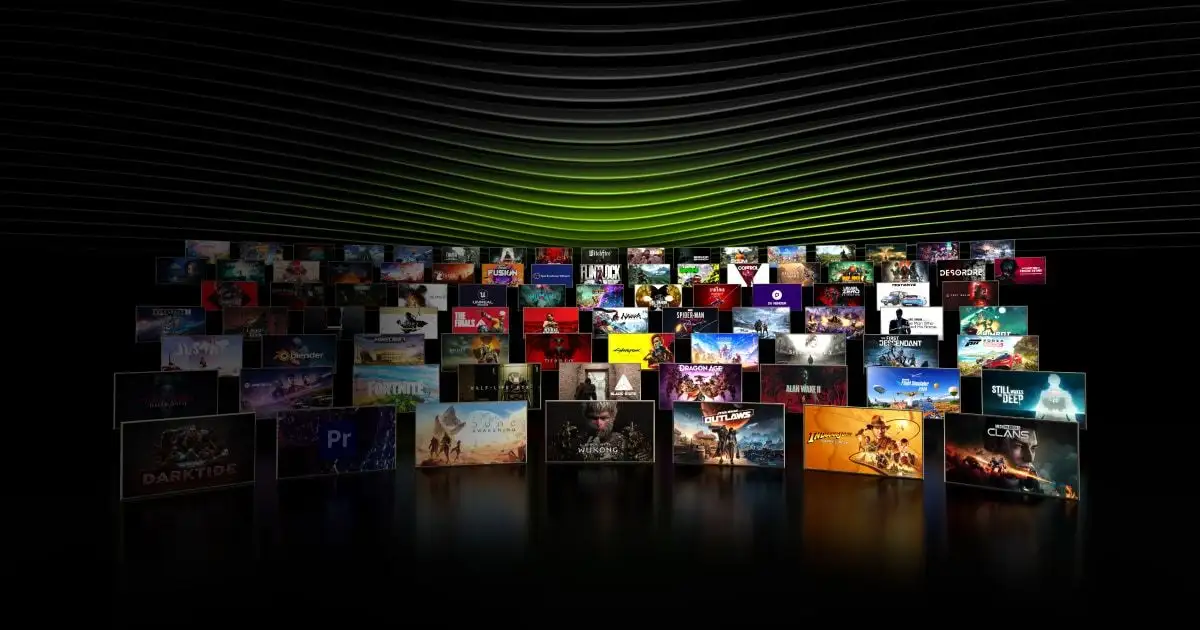
The tech giant NVIDIA has rolled out its latest generation of graphics cards, the GeForce RTX 50-series, boasting advancements in "path tracing" and "neural rendering" through fourth-generation RT Cores and fifth-generation Tensor Cores. This new lineup, arriving after the established RTX 40-series, promises "cinema-quality visuals at extraordinary speed," fueled by AI-driven features like DLSS (Deep Learning Super Sampling) with Multi-Frame Generation (MFG). NVIDIA claims over 800 games and applications now leverage RTX technology for enhanced realism and performance.
GENERATION GAPS AND GRAPHICS PLATFORMS
NVIDIA positions the RTX platform as the vanguard of interactive and creative experiences. The newly introduced RTX 50-series GPUs are designed to accelerate gaming, content creation, productivity, and development tasks. The company highlights the integration of "built-in AI processors" as a key differentiator, bringing "world-leading AI technology" to personal computers.
This latest iteration follows the existing architecture that has already seen widespread adoption, with the company noting the broad integration of its RTX features across the gaming landscape.
Read More: Chrome mimeHandler API lets extensions handle file types
HISTORICAL CONTEXT: A CONTINUOUS EVOLUTION
The RTX branding, introduced by NVIDIA, signifies a commitment to pushing graphical boundaries through sophisticated rendering techniques. Early iterations of RTX technology laid the groundwork for features that have become increasingly sophisticated. The introduction of DLSS, for example, has been a recurring theme, evolving from initial implementations to the current Multi-Frame Generation capabilities. The continuous iteration of RT Cores and Tensor Cores underscores NVIDIA's ongoing pursuit of performance gains through hardware specialization.





/content/opengraph/MTG-Top-10-Best-Commander-Cards-From-Magic-The-Gathering-Marvel-Super-Heroes-MSC-MSH.png)