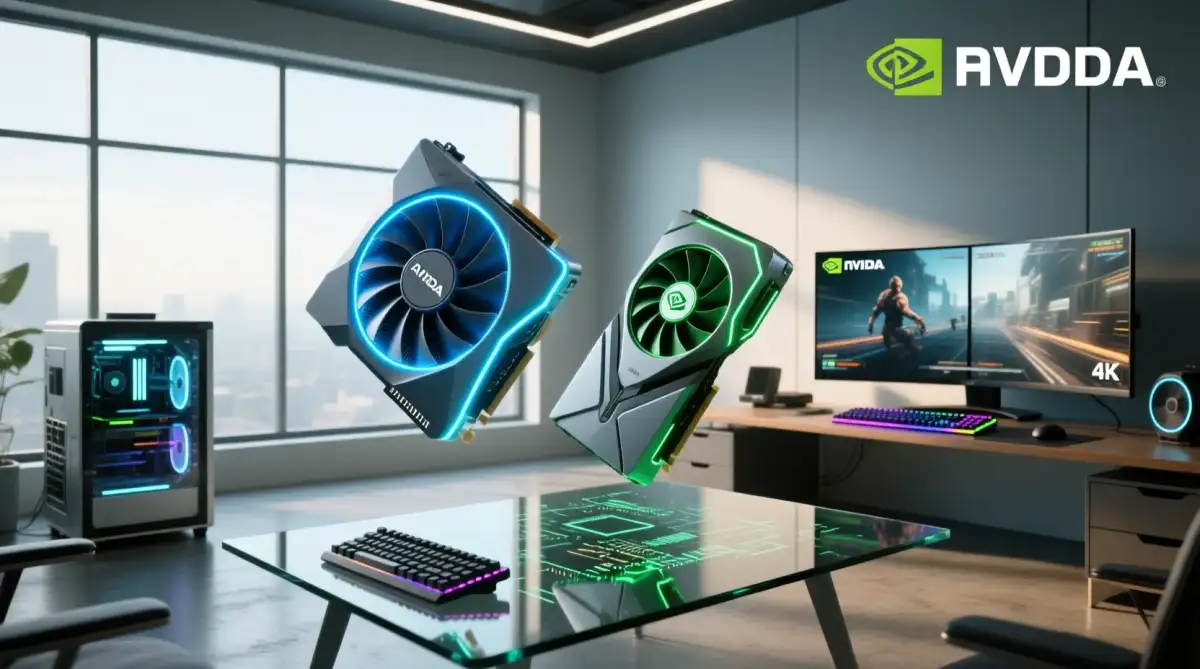
The prolonged lifecycle of graphics card drivers presents a significant, often overlooked, factor when choosing between AMD and NVIDIA hardware. Reports circulating suggest AMD's tendency to discontinue driver support for older models at a quicker pace compared to NVIDIA. This distinction carries weight for consumers contemplating hardware longevity, potentially shifting the scales of long-term value.
For those intending to hold onto their GPU for upwards of three years, NVIDIA's apparently more robust driver support window could translate into a lower risk of encountering compatibility issues or performance degradations as software evolves. This detail emerges as a critical nuance in the ongoing debate surrounding the merits of each manufacturer's offerings.
The practical implications for users are straightforward: while initial purchase price and raw performance benchmarks often dominate discussions, the enduring software backbone provided by manufacturers merits closer inspection.
Read More: Chrome mimeHandler API lets extensions handle file types
The Long Game: Support Cycles and System Stability
Discussions on platforms like Reddit's r/buildapc community frequently touch upon the practical realities of PC ownership, extending beyond the immediate gratification of a new component. The issue of driver support longevity, while seemingly technical, directly impacts the user experience over time. A system reliant on outdated drivers can become a source of frustration, leading to diminished functionality or outright incompatibility with newer operating system updates or applications.
The accelerated deprecation of driver support by AMD, as alluded to in some analyses, suggests a model that may favor shorter upgrade cycles. Conversely, NVIDIA's protracted support periods could appeal to a segment of the market prioritizing sustained usability and a reduced need for frequent hardware replacement. This isn't merely about software patches; it's about the potential for a system to remain relevant and functional across a longer span.
Read More: CPU GPU Bottleneck Today: How to Check Your PC's Slowdowns
Heat, Noise, and Other Considerations
Beyond the core driver issue, questions regarding thermal performance and acoustic output persist. While reports touch upon whether AMD GPUs generally operate hotter or louder than their NVIDIA counterparts, concrete, universally applicable answers remain elusive. Such factors are often highly dependent on specific model tiers, cooling solutions employed, and the individual user's tolerance for noise and heat. These elements, while important for immediate user comfort, are secondary to the fundamental question of a component's continued viability in the digital ecosystem.