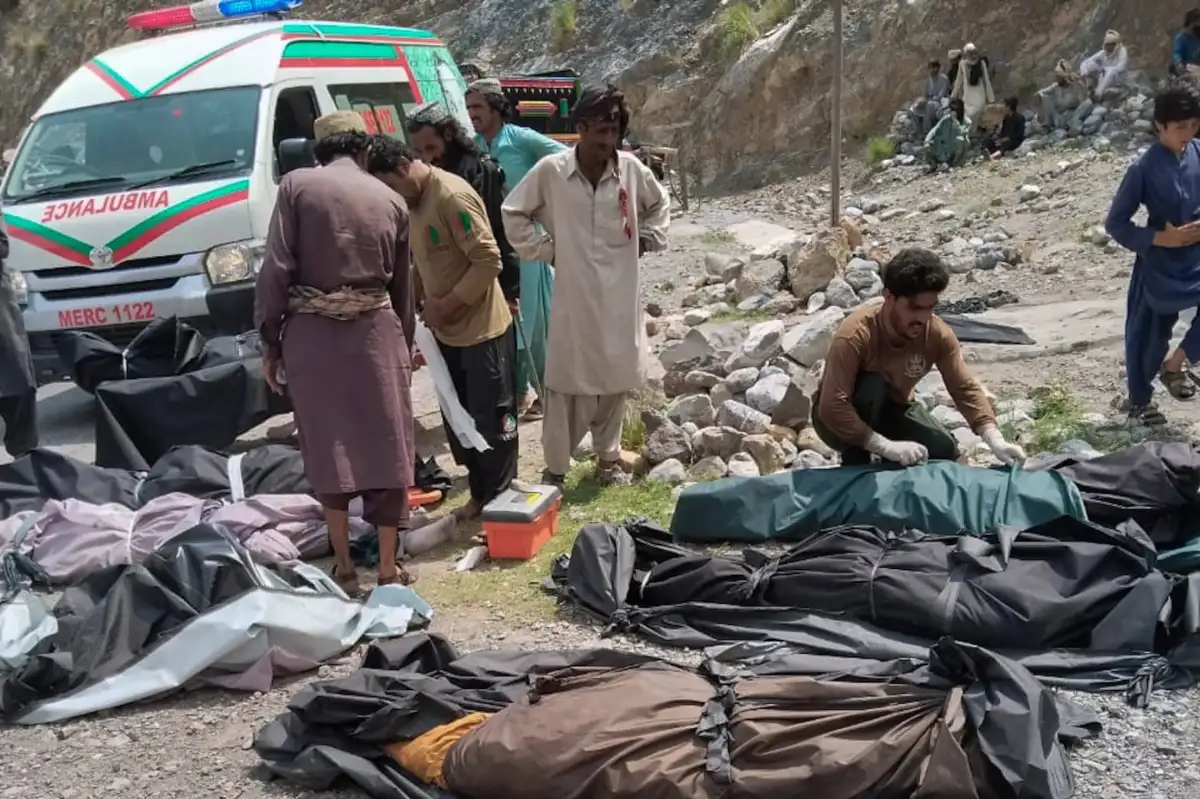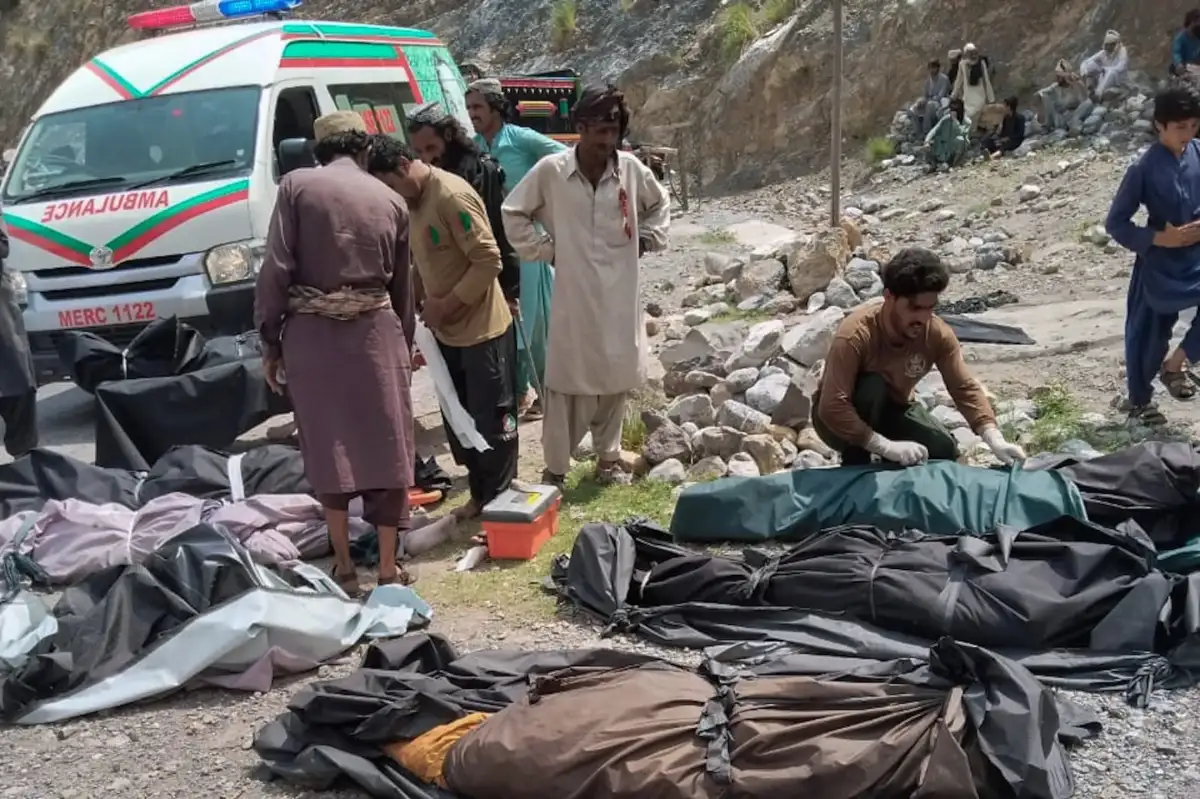
A silent killer may have claimed the lives of at least 30 miners in Plateau State, Nigeria. Witnesses suggest a carbon monoxide leak, not an explosion, led to this tragedy. This incident renews worries about safety in the country's mining sector, where similar events have occurred before.
Timeline and Actors
Event: A suspected carbon monoxide leak at a lead and zinc mine.
Location: Plateau State, central Nigeria.
Estimated Deaths: Reports vary, with figures ranging from at least 30 to 37 miners.
Time of Incident: Around 06:30 local time (05:30 GMT).
Key Actors:
Miners: The victims, described as mostly men aged 20s to 40s, who were performing early morning prayers and then returned underground.
Witnesses/Fellow Miners: Those who discovered the bodies and provided accounts to news outlets.
Plateau State Officials: Initially suggested the incident was a blast.
Conflicting Accounts of the Incident
While multiple reports cite witnesses who believe a carbon monoxide leak caused the deaths, state officials offered a different initial explanation.

Witness Accounts:
The miners had just finished early morning Muslim prayers and returned to their work underground.
Safiyanu Haruna, a miner who arrived for the morning shift, reported the incident occurred around 06:30 local time.
Witnesses insist there was no explosion.
Toxic gas is thought to have built up in poorly ventilated tunnels.
Official Statements:
Plateau State officials initially described the incident as a blast.
Preliminary findings from officials suggested 33 miners were killed in what they called a blast.
The Scale of the Tragedy
The number of confirmed deaths remains fluid, with different sources reporting slightly varied figures.
Minimum Deaths Reported: At least 30 miners.
Higher Figures:
33 miners (reported by BBC, afronewswire, naturenews.africa).
37 miners (reported by the BBC, The Morning News).
In addition to the fatalities, more than 20 miners were rescued and taken to a hospital in Wase for treatment, according to naturenews.africa.
Broader Safety Concerns
This incident highlights a persistent problem with mining safety in Nigeria.
Read More: Four dead in Markapuram lorry crash during wedding on April 6 2026
Recurring Accidents: Mining accidents are described as a recurring issue in Nigeria.
Past Incidents: Less than two years prior, dozens of miners died in neighboring Niger State after a gold pit collapsed due to heavy rainfall.
Economic Context: Residents described the miners as individuals striving to support their families amidst difficult economic conditions.
Lingering Question: Reports pose the question: "How many more lives must be lost before safety becomes more than an afterthought?"
Expert Analysis
While no direct expert quotes were provided in the summaries, the details suggest several areas of concern:
Ventilation Standards: The mention of "poorly ventilated tunnels" implies a potential failure in adhering to basic mining safety protocols for gas management.
Emergency Response: The rescue of over 20 miners indicates some level of response, but the overall outcome underscores the challenges faced in such incidents.
Official vs. Ground Truth: The discrepancy between the "blast" narrative from officials and the "gas leak" from witnesses points to the need for thorough, independent investigations into accident causes.
Conclusion
The reported deaths of at least 30 miners in Plateau State present a grave concern. While witness accounts strongly suggest a carbon monoxide leak as the cause, initial official statements pointed to a blast. This difference in accounts requires further investigation. The incident tragically underscores the ongoing dangers faced by miners in Nigeria, particularly in relation to safety standards and ventilation in mining operations. The quick burial of victims in line with Islamic tradition means immediate on-site forensic evidence may be limited, making witness testimony and official accident reports crucial. Further steps would involve a detailed inquiry into the mine's safety protocols, ventilation systems, and the emergency response.
Sources
Island.lk: https://island.lk/suspected-carbon-monoxide-leak-kills-at-least-30-miners-in-nigeria-witnesses-say/ (Note: This article contains unrelated content and appears to be a content aggregator.)
afronewswire: https://afronewswire.com/index.php/2026/02/19/33-miners-die-in-suspected-carbon-monoxide-leak-at-plateau-state-mine/
The Morning News: https://themorningnews.com/news/2026/02/18/37-miners-killed-in-suspected-carbon-monoxide-leak-in-nigeria/
Naturenews.africa: https://naturenews.africa/carbon-monoxide-leak-kills-dozens-of-nigerian-miners/
Al Jazeera: https://www.aljazeera.com/news/2026/2/19/at-least-37-killed-in-nigeria-mine-carbon-monoxide-poisoning-reports (Note: Summary was not available in the provided data, but the source is listed.)