The UK government is changing how people with two citizenships enter the country. Starting in early 2026, these "dual nationals" will no longer be able to show old papers or a foreign passport to prove they have the right to live in the UK. Instead, they must carry a valid British or Irish passport. This change is causing many people to rush for new documents because, without them, travel companies might stop them from boarding planes or boats. While the government says this makes the borders safer, some people living abroad say the new rules are very difficult to follow.
Shift from Paper Evidence to Digital Verification
For a long time, people with dual citizenship could travel to the UK using a passport from another country, such as Spain or Latvia. If border officers asked for proof of their right to live in the UK, they could show an old British passport or a citizenship certificate.
Read More: New Airline Rules: Passengers Block Aisles and Recline Seats Too Soon
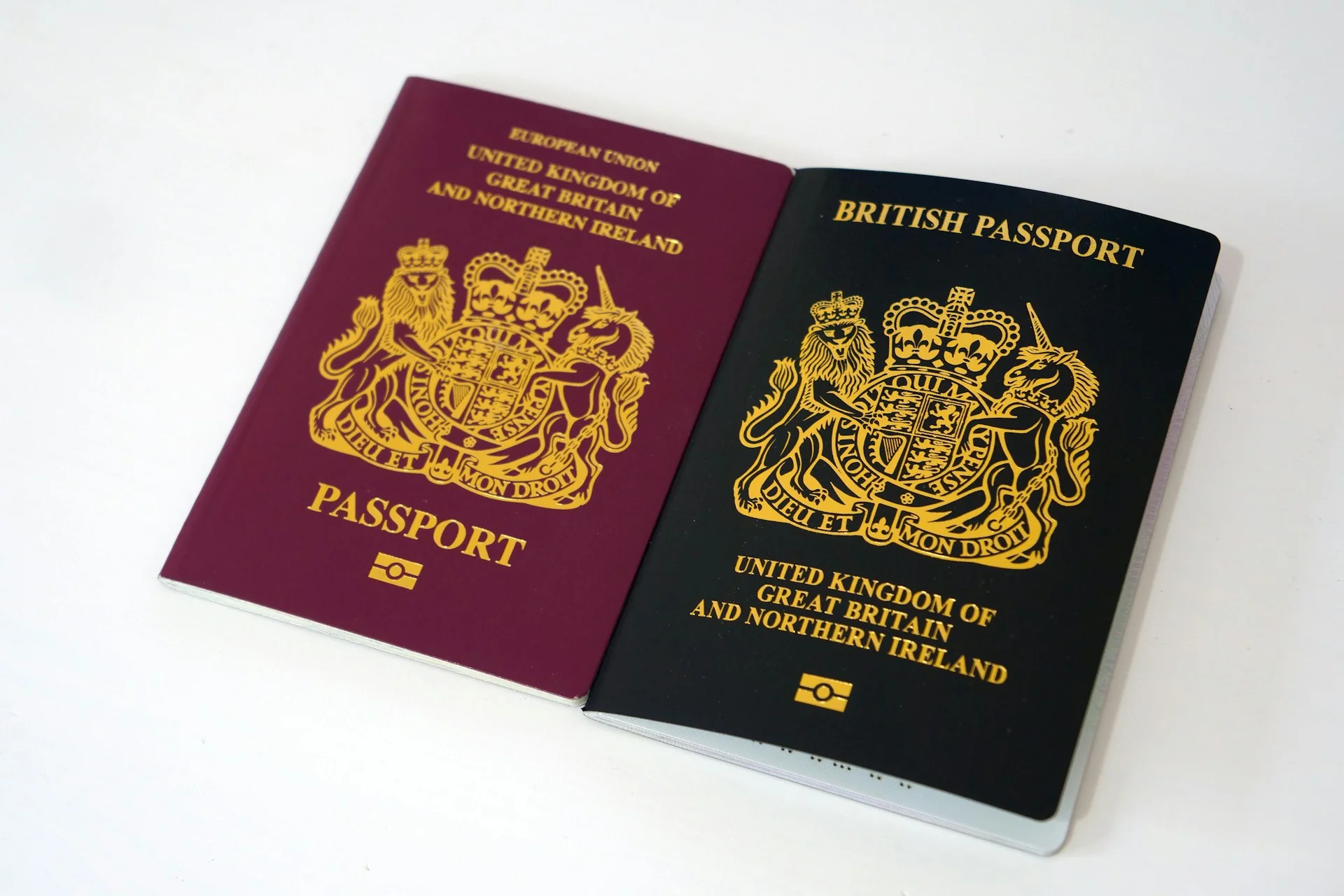
Under the new system, this flexibility will end. Travelers must now have one of two specific documents:

A valid British or Irish passport.
A "Certificate of Entitlement" placed inside their foreign passport.
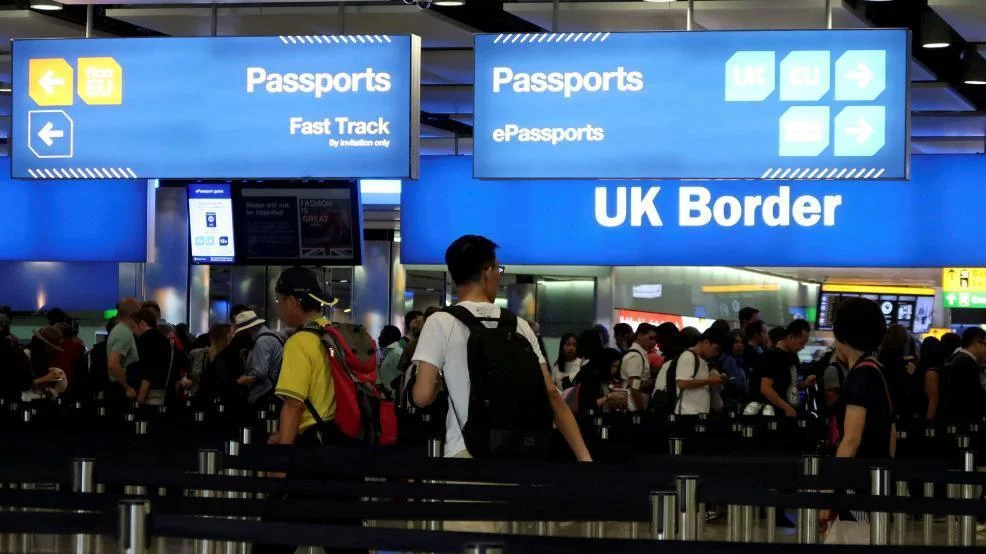
The government is making this change to match its new Electronic Travel Authorisation (ETA) system. This system requires visitors who do not need a visa to pay £16 for a digital entry permit. Because British citizens are not "visitors," they cannot get an ETA. This creates a problem: if a dual citizen tries to use a foreign passport without an ETA, the airline system may see them as a visitor without permission to enter.
Timeline of Border Enforcement
The government has set specific dates for when these rules will become strictly enforced.
| Date | Event | Impact |
|---|---|---|
| Early 2024 | ETA system begins | Small groups of visitors start using the digital system. |
| Late 2025 | System expands | More countries are added to the ETA requirement. |
| February 25, 2026 | Full Enforcement | Dual nationals must have a UK passport to avoid boarding denials. |
"Dual nationals who do not hold a current UK passport may face disruption. Previously, they could show documents like an expired UK passport… to prove their right to live and work in the UK." — Official Guidance Analysis
Administrative Hurdles for Citizens Abroad
The new rules have revealed several practical problems for people living in other countries.

The Passport "Catch-22"
To get a British passport, many people must send their current foreign passport to the UK for checking. For someone like Petra, a surveyor living in Spain, this means she cannot travel to see her family or work while the application is processed. She told reporters she had to delay her application because she could not be without her travel documents during the Christmas season.
Read More: Boys in UK Face Role Model Gap, Lower Happiness Levels Since 2009
Name Matching Problems
Campaigners have pointed out a specific problem for women in countries like Spain and Greece.
In Spain, people often use two surnames (from both parents).
In Greece, women often keep their maiden names after marriage.
The UK government requires the name on the British passport to match the name on the foreign passport exactly.
If the names do not match, the person may be refused a British passport until they change their legal name in the other country. Some people say this is unfair to women who are following the laws of their home countries.
Costs and Certificates
People who do not want a British passport can apply for a Certificate of Entitlement (CoE). This is a sticker placed in a foreign passport that proves the person has the "right of abode" in the UK. However, this process also costs money and requires an official application, adding another layer of paperwork for families.
Read More: Travelers Debate 'Rollaboard' vs 'Rollerboard' Luggage Terms
Security and Global Standards
The British High Commission and the Home Office maintain that these changes are necessary to keep the UK safe. They argue that:
Digital systems allow the government to know who is coming into the country before they arrive.
These rules are similar to systems already used in the United States and Canada.
Relying on physical papers at the border is slower and less secure than using a modern passport database.
Expert consultants from VisaHQ noted that mobility managers are now advising employees on overseas assignments to check their passport dates immediately. They also highlighted that children born abroad to British parents—who are citizens but might not have a passport yet—will be affected by these rules.
Investigator’s Assessment
The evidence shows a clear move toward a fully digital border. While the government claims this is a standard security update, the data reveals a gap between policy and the reality of international lives.
Probing Questions for Further Investigation:
Why does the UK require an exact name match when other countries allow different naming traditions for dual citizens?
Is the current passport processing system fast enough to handle the sudden increase in applications from dual nationals?
How will travel companies be trained to handle citizens who have the right to enter but lack the new required document?
Conclusion
The investigation confirms that the UK is moving away from allowing dual citizens to use "alternative evidence" at the border.
Main Findings:
Read More: UK adults with high blood pressure: One in three affected, impacts ejaculary function
Deadline: February 25, 2026, is the critical date for compliance.
Requirement: A valid British/Irish passport or a Certificate of Entitlement is mandatory.
Barriers: Name differences between passports and the requirement to send away foreign IDs are causing significant delays.
Dual nationals living outside the UK should begin the application process now to avoid being barred from travel. The transition from a paper-based check to a digital ETA-linked check means that "hidden" citizenship will no longer be enough to pass through airport security.
Sources and Context
BBC News: How are UK passport rules changing for British dual nationals? (Detailed case study on application delays and Latvian/British dual citizenship).
i News: How British citizens could be barred from the UK under strict new passport rules (Analysis of the ETA system and boarding refusal risks).
International Business Times: UK Tightens Passport Rules for Dual Nationals by 2026 (Specific dates for full enforcement).
The Guardian: New UK border rules for dual nationals are discriminatory against women (Details on the naming conflicts in Spain and Greece).
Secret London: These Are The UK’s New Dual Citizenship Passport Rules For 2026 (Clarification that dual status itself is still legally recognized).
VisaHQ News: New UK passport rules leave dual citizens rushing for certificates (Insight into corporate travel risks and the Certificate of Entitlement process).