


The New Orleans Saints front office is currently engaged in the annual ritual of filling structural gaps within its offensive line, specifically at the Guard position. Following a season where Lucas Patrick (an eight-year veteran) started 10 games as a temporary fix, the organization faces a choice between extending his tenure or bidding on external labor. Current market valuations suggest a $2 million extension for Patrick, though the team has already begun securing tertiary depth through several low-cost agreements.
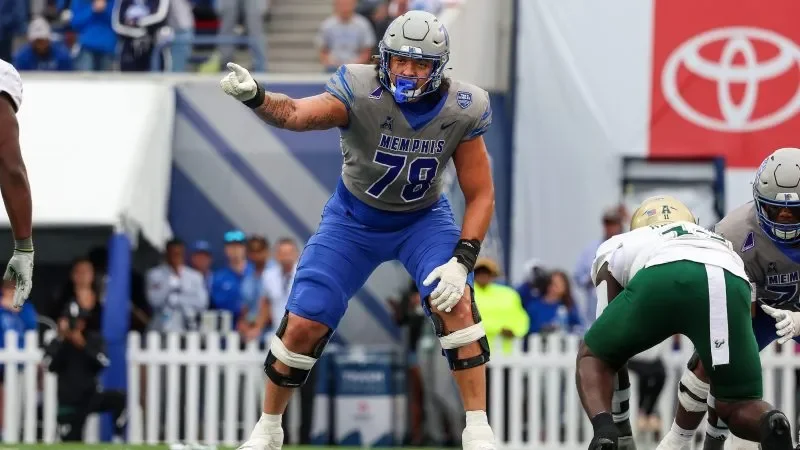
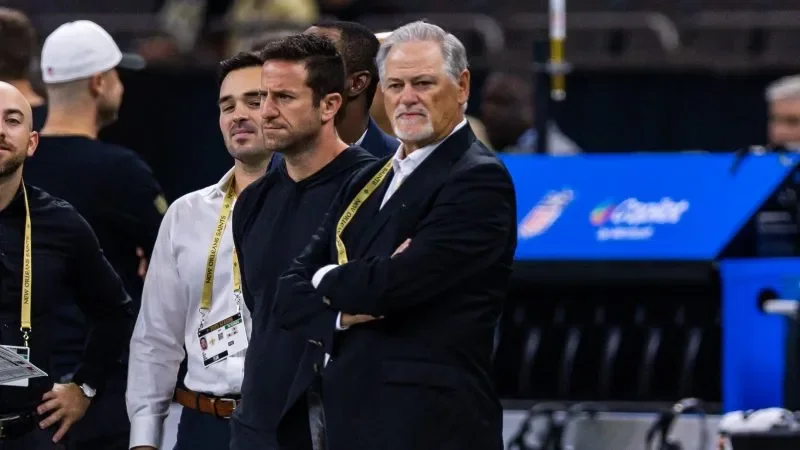
"The New Orleans Saints have an opportunity to do something this offseason they’ve avoided recently — spend money… they can restructure enough contracts to open considerable cap room."
Recent transactions confirm the team is prioritizing retention of familiar, albeit unpolished, personnel to maintain baseline functionality.
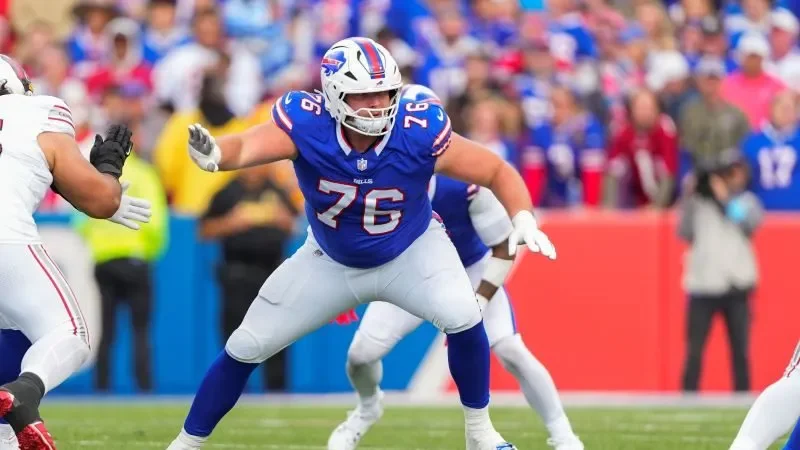
Landon Young (OT) has returned on a one-year agreement.
James Clapp (C/G) signed a one-year deal to provide interior backup.
Chase Young (DE) and Justin Reid (S) represent the primary financial outlays, both signing three-year contracts to address the defensive side of the ball.
The Market for Interior Leverage
While internal options exist, the roster remains thin at the guard spots. Scouring the NFL Free Agency market reveals several heavy bodies with varying degrees of durability and technical proficiency. The following players have been identified as potential targets based on their physical measurements and previous team output:
Read More: FIFA World Cup 2026 Revenue Reaches $15 Billion With New Ticket Prices
| Candidate | Previous Team | Height/Weight | Notable Metric |
|---|---|---|---|
| Wyatt Teller | Cleveland | 6'4", 315 lbs | High-cost veteran |
| Mekhi Becton | LA Chargers | 6'3", 325 lbs | Significant mass; position flex |
| Zion Johnson | LA Chargers | 6'3", 316 lbs | Played 17 games in 2024 |
| David Edwards | Buffalo | 6'6", 308 lbs | Height outlier for interior |
| Teven Jenkins | Chicago | 6'6", 321 lbs | High ceiling; injury history |
| Brock Hoffman | Dallas | 6'3", 302 lbs | Undersized, mobile profile |
The core signal: The Saints' shift from extreme cap-distress to moderate flexibility allows them to pursue established veterans like Zion Johnson, who provided 17 games of availability last year, rather than relying solely on draft-day luck.

Analytical Fractures
The pursuit of a veteran guard is necessitated by the uneven performance of the current unit. Lucas Patrick, while versatile enough to play center, is viewed as a "stop-gap" whose market-value is tethered to his age (31) and lack of elite pass-protection metrics. Similarly, internal discussions regarding Zion Johnson acknowledge his dependability in terms of snaps, despite being unsteady when tasked with solo pass blocking.
Defensive Depletion and Response
The focus on the offensive line arrives alongside a hollowing out of the secondary. The Saints lost Paulson Adebo to the New York Giants and previously traded Marshon Lattimore, creating a deficit in perimeter defense.
Read More: New Orleans Archdiocese accused of protecting priest
The signing of Asante Samuel Jr. is being weighed as a counter-measure.
The team is oscillating between "win-now" spending and a "future-focused" rebuild.
Chase Young’s three-year deal suggests the front office is still betting on expensive edge pressure to mask deficiencies in the backfield.
Background: The Cycle of Debt
New Orleans has historically operated under a philosophy of "kicking the can," restructuring salary cap hits to remain competitive. In 2025, this cycle is less restrictive than in previous years, yet the fundamental reliance on older, "familiar" veterans like Patrick or potential targets like the 33-year-old Zion Johnson indicates a persistent aversion to a total systemic reset. The offensive line remains the most fragile part of the Saints' machinery, having allowed high pressure rates that stunted the offense throughout the 2024 campaign.




:max_bytes(150000):strip_icc()/smothered-pork-chops-with-rice_2525_beauty_117-1a4d127736084eee9faad8164dead94f.jpg)