

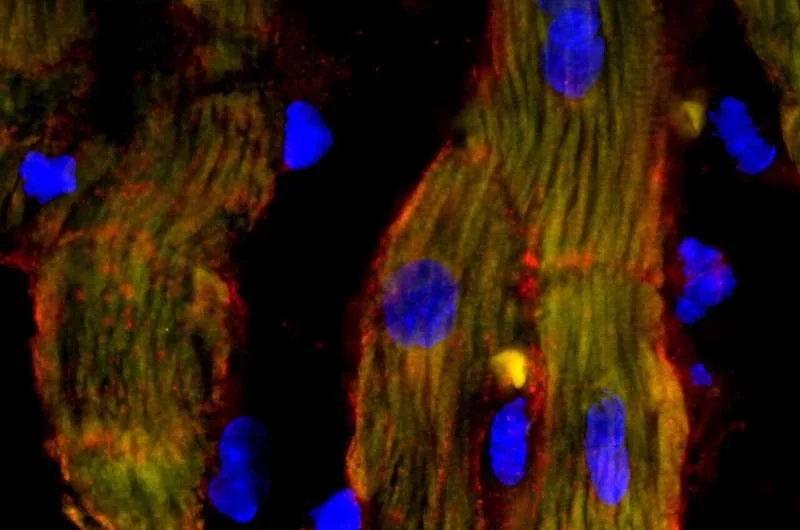
The work, recently detailed, shows a way to target genetic material within the cell's powerhouses.
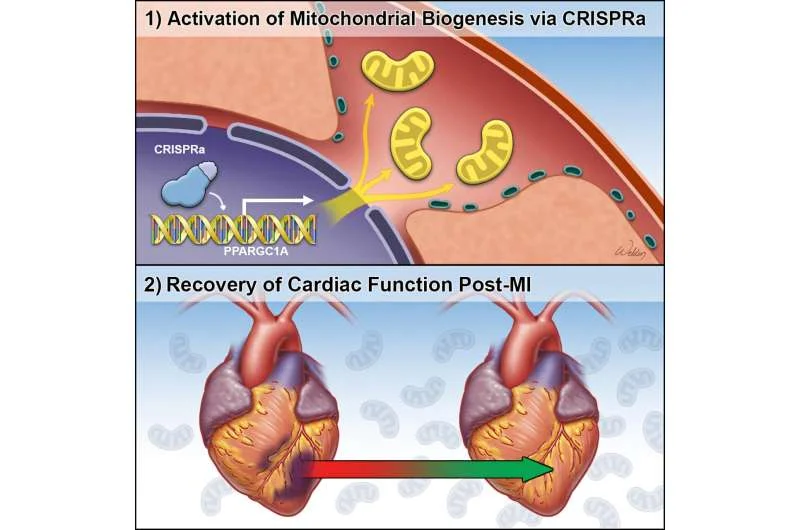
A newly reported method, utilizing a 'CRISPR-based' approach, claims to offer a path toward fixing damaged heart tissue by influencing the components inside mitochondria. This involves the deliberate alteration of specific RNA guides, which are essential elements for the gene-editing system to function. This development centers on the manipulation of mitochondrial DNA, the genetic material housed within these organelles, which are crucial for cellular energy production.
Underlying Mechanisms
The core of this reported technique lies in the engineering of guide RNAs. These are not just simple carriers; they are crafted to specifically recognize and interact with sequences within the mitochondrial genome. The researchers appear to be leveraging the inherent power of the CRISPR-Cas system, adapting its targeting capabilities to the unique environment of the mitochondrion.
This suggests a finer level of control over genetic operations within the cell.
The focus on 'organelle-associated RNA' indicates an understanding of how these molecules play a role in mitochondrial function.
Such a precision tool could, in theory, address issues tied to mitochondrial disorders.
Potential Therapeutic Avenues
While the direct link to heart failure therapy is flagged as "low priority" in some descriptions, the research’s implications are significant. Heart failure is often characterized by failing energy production within heart cells, a process directly governed by mitochondria.
Read More: Cuban doctors leave Guyana as new hiring rules start in 2023
If the method can effectively correct genetic defects or boost mitochondrial function, it could represent a novel therapeutic strategy.
The breakthrough, if validated, moves beyond the more common approaches to gene editing, which typically focus on the cell's nucleus.
Context and Publication
The findings are outlined in a piece published on February 11, 2026, accessible via PubMed, with a Digital Object Identifier 10.1016/j.celrep.2026.116958. The associated keywords point towards a deep engagement with 'genomics', the 'CRISPR-Cas system', and 'mitochondrial DNA'. A separate, more recent report on phys.org, dated March 2026, highlights this work in the context of heart failure, though details there are sparse.
The authors of the primary research explicitly stated they have no competing interests, a declaration often included to ensure the impartiality of scientific findings.