

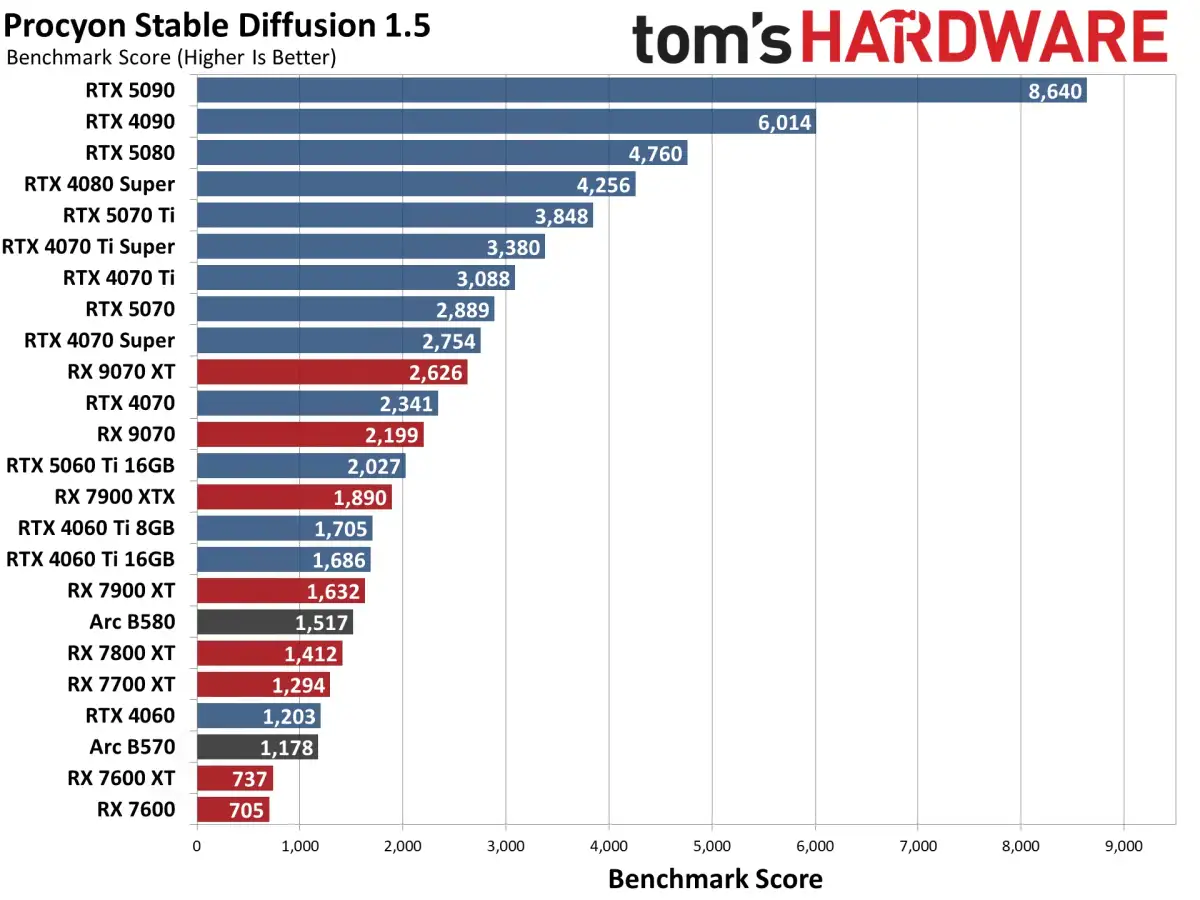
Raw Power and Shaders: The Benchmark Battle
The year 2026 sees a crowded field of Graphics Processing Units (GPUs) with the 'GB202' leading in raw shader count and memory bandwidth, paired with a substantial power draw. The 'AD102' follows closely, showcasing a blend of shader performance and efficiency. These units represent the cutting edge of graphical processing, moving beyond their initial mandate of rendering 3D imagery.
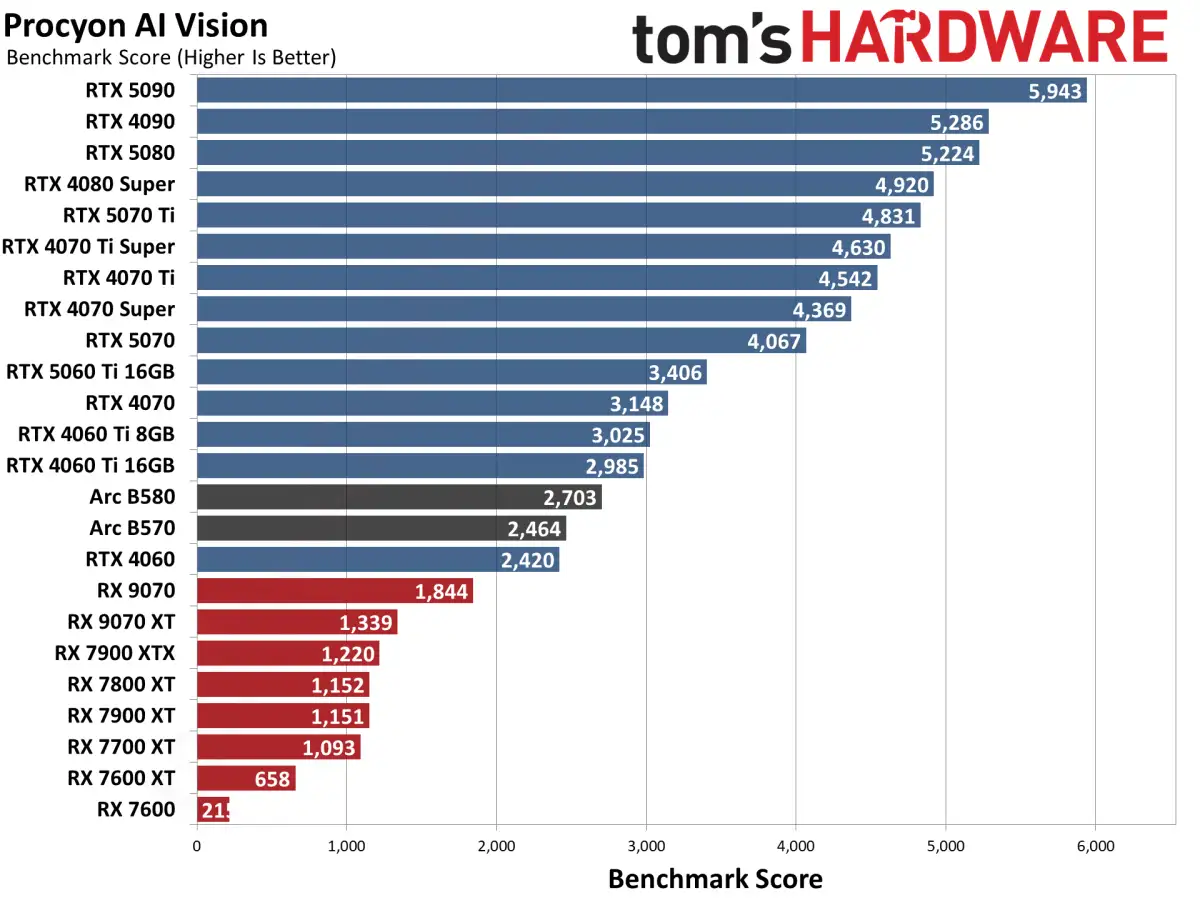
The benchmarks, spanning a decade of hardware, reveal a hierarchy defined by several key metrics:
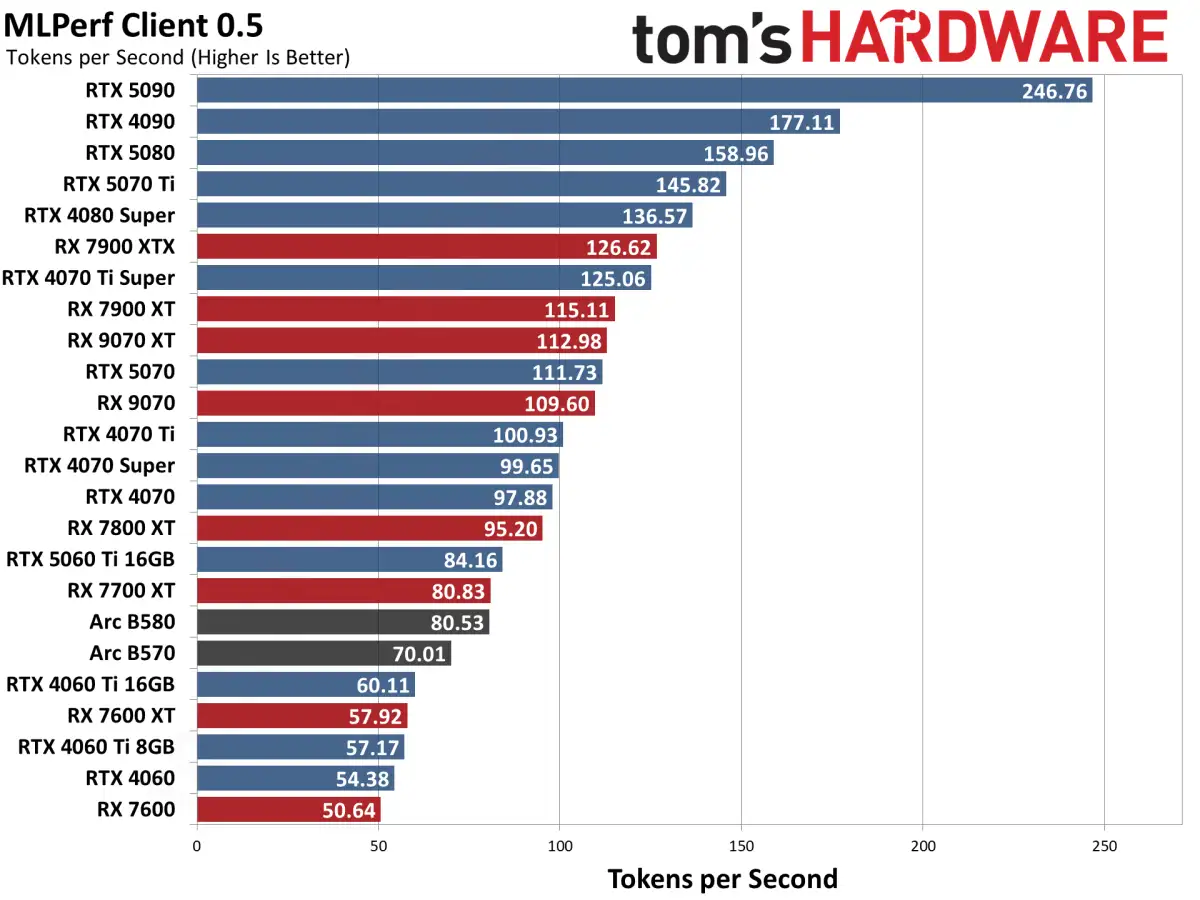
Shaders: The fundamental processing cores. Units like the GB202 boast over 21,000 shaders, a significant leap.
Clock Speed: Dictates how fast these shaders operate, with many high-end cards pushing past 2.5 GHz.
Memory Type & Speed: 'GDDR7' is emerging as a premium standard, offering speeds upwards of 28Gbps and bandwidth exceeding 1792 GB/s in the top-tier cards. This is crucial for handling complex datasets and high-resolution textures.
Power Consumption (TDP): High performance often correlates with significant power draw, with top models like the GB202 reaching 575W.
| GPU Model | Shaders | Clock Speed | Memory | Bandwidth | TDP |
|---|---|---|---|---|---|
| GB202 | 21760 | 2407MHz | 32GB GDDR7 | 1792GB/s | 575W |
| AD102 | 16384 | 2520MHz | 24GB GDDR6X | 1008GB/s | 450W |
| GB203 | 10752 | 2617MHz | 16GB GDDR7 | 690GB/s | 360W |
Beyond Raw Power: Ray Tracing and Specialized Needs
The performance narrative shifts when considering specialized rendering techniques. Ray tracing, in particular, exposes greater disparities between GPU architectures, demanding more from graphics cards.
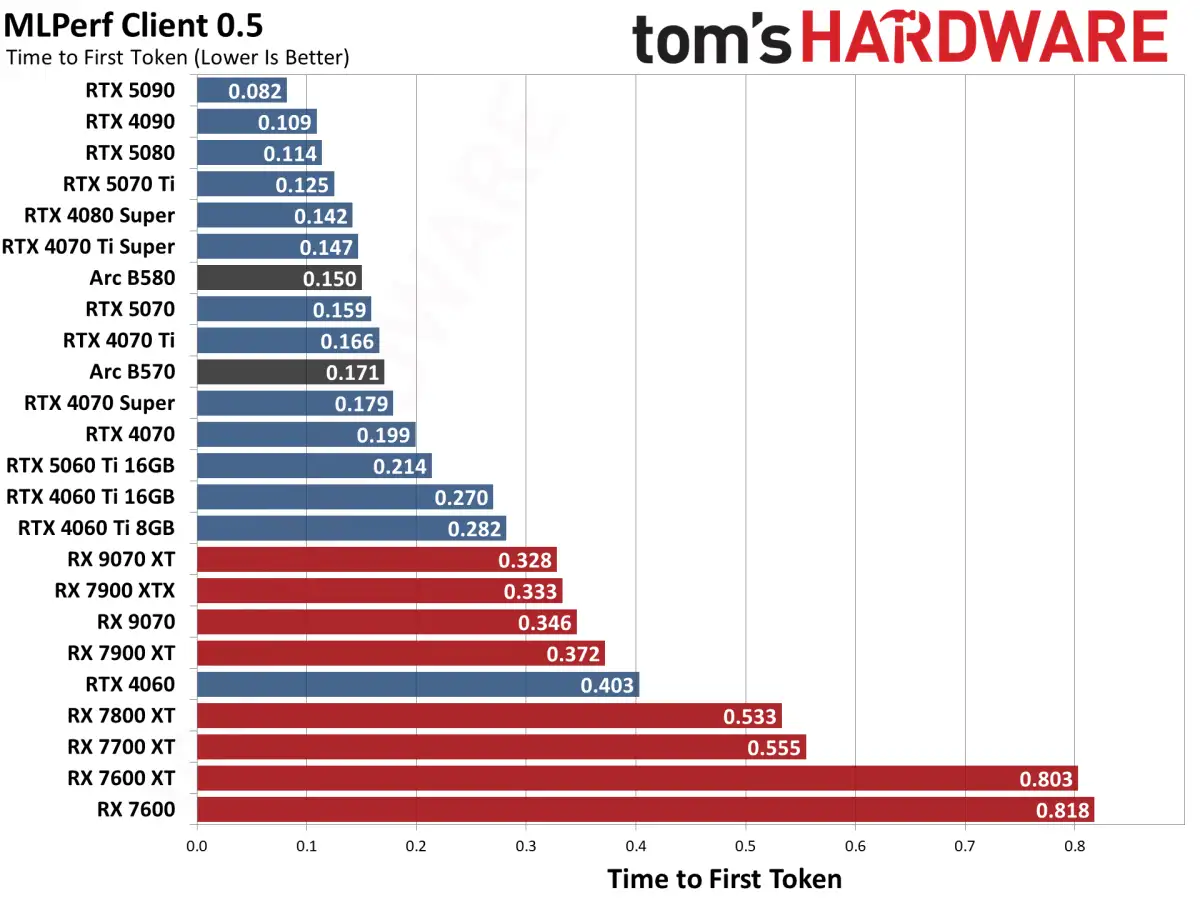
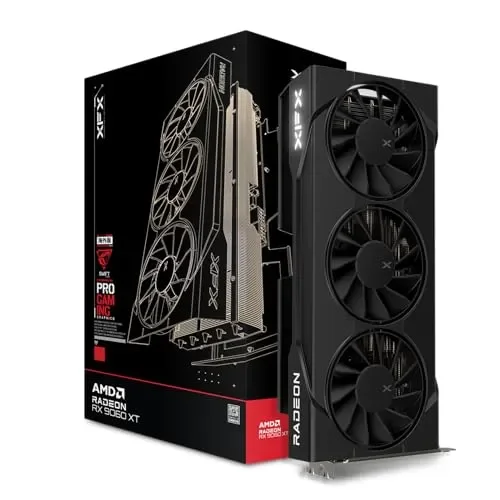
For effective ray tracing at 1080p without VRAM limitations, units like the RTX 4060 Ti 16GB, RTX 5060 Ti 16GB, or RX 9060 XT 16GB are recommended. At 1440p, RTX 4070, RTX 5070, or RX 9070 series cards show their strength, with the RX 9070 XT and RTX 5070 Ti offering superior experiences. For 4K resolution, the pinnacle includes the RTX 5080, RTX 4090, and RTX 5090.
It is worth noting that NVIDIA's 'GeForce RTX' cards are currently the sole providers of 'DLSS' technology, a feature absent in competing offerings.
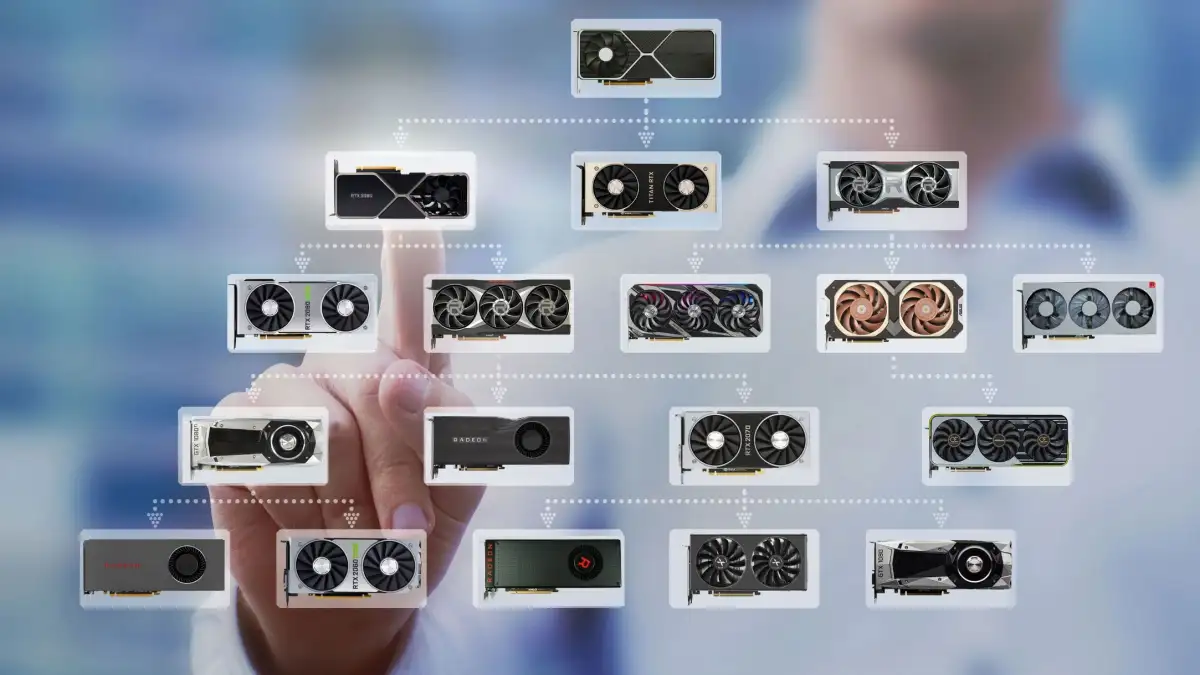
The Evolving Role of GPUs
Originally conceived to accelerate the rendering of three-dimensional graphics, GPUs have significantly broadened their scope. Beyond gaming and visual design, they are increasingly integrated into data centers, powering advanced computational tasks.
Read More: Chrome mimeHandler API lets extensions handle file types
Intel's 'Iris Xe' graphics exemplify this evolution, offering integrated solutions within processors like the 'Intel Xeon' series, designed to handle demanding visual experiences and likely more. This points to a future where graphics processing is not confined to discrete components but is a more pervasive element of computing architecture.



.png)

