

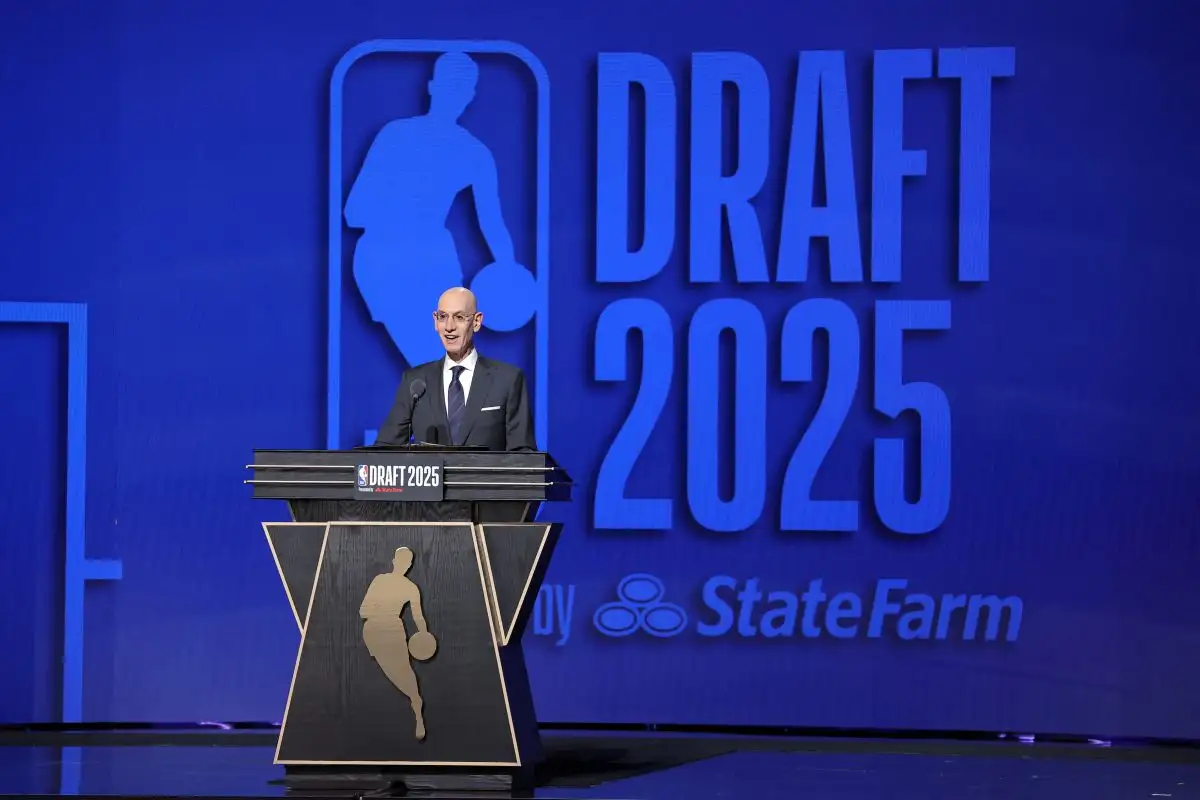
The National Basketball Association is reportedly finalizing a significant overhaul of its draft lottery system, a move aimed squarely at discouraging deliberate losing, or 'tanking,' by teams. The proposed changes, which have been circulating among league officials and owners, would expand the lottery to include more teams and flatten the odds for acquiring top draft picks, particularly for those finishing with the worst records. This marks the most substantial alteration to the lottery structure in recent memory, signaling a league-wide effort to prioritize competitive play throughout the regular season.
The leading proposal, sometimes referred to as the "3-2-1 lottery" or an "18-team lottery," would see teams outside the playoff and play-in picture being more heavily involved. Under this plan, the 10 teams with the worst regular-season records would receive equal, flattened odds for the top draft pick, a departure from the current system where the three worst teams hold the highest probabilities. Other teams outside the bottom 10 but still not in the playoffs would receive a slightly different allocation of lottery balls, while play-in tournament participants, including those who lose early, would also gain entry into the lottery.
Read More: Red Sox Fire Manager Alex Cora, Hire New Coaches
This reform grants the league expanded disciplinary authority to regulate tanking. Options include reducing teams' lottery odds or directly modifying their draft positions. A key element of the proposed structure is the introduction of a "relegation zone" for the three teams with the absolute worst records. These teams would possess fewer lottery balls, though their draft position would be capped, ensuring they do not fall beyond a certain pick, likely the 12th. Other lottery-eligible teams not in this bottom tier could fall as far as the 16th pick.
"You should assume for next season your only incentive will be to win games," Commissioner Adam Silver reportedly stated in a recent call, underscoring the league's intent to shift team motivation.
The push for reform comes after months of evaluation and the development of several concepts, with high-ranking officials expressing confidence that the new structure will disincentivize losing. It also aims to incentivize winning, particularly in the latter stages of the season, by compelling teams near the bottom to actively avoid the "relegation zone" and those above them to compete for better positioning.
Read More: NBA Draft Lottery Changes: More Teams Get Equal Chance for Top Pick
Background of Tanking Concerns
The concept of 'tanking' in the NBA has been a persistent undercurrent, where teams with little hope of contending for a championship may intentionally field less competitive rosters or manage player minutes to secure a higher draft pick. The rationale is that the NBA draft, especially at the top, offers the potential to acquire franchise-altering talent. Historically, the lottery odds have been weighted, giving the teams with the worst records a greater chance at the most coveted selections. This reform addresses the perception that this weighting can create an unintended incentive for failure.
Earlier proposals explored an 18-team lottery with flat odds for the bottom five teams, or even a 22-team lottery. Discussions have also touched upon potential cross-sport comparisons, such as the luxury tax system in baseball that limits draft pick access for high-spending teams. However, the current trajectory appears to favor a broad lottery expansion with adjusted odds to achieve the anti-tanking objective.
Read More: Phillies Fire Manager Rob Thomson, Don Mattingly Takes Over


