


NASCAR teams bled an estimated $2.2 million per car in 2024, with operational costs for a single Cup car exceeding $20 million. This financial strain fuels escalating legal battles against the racing organization, centered on claims of monopolistic practices and a skewed revenue distribution model.
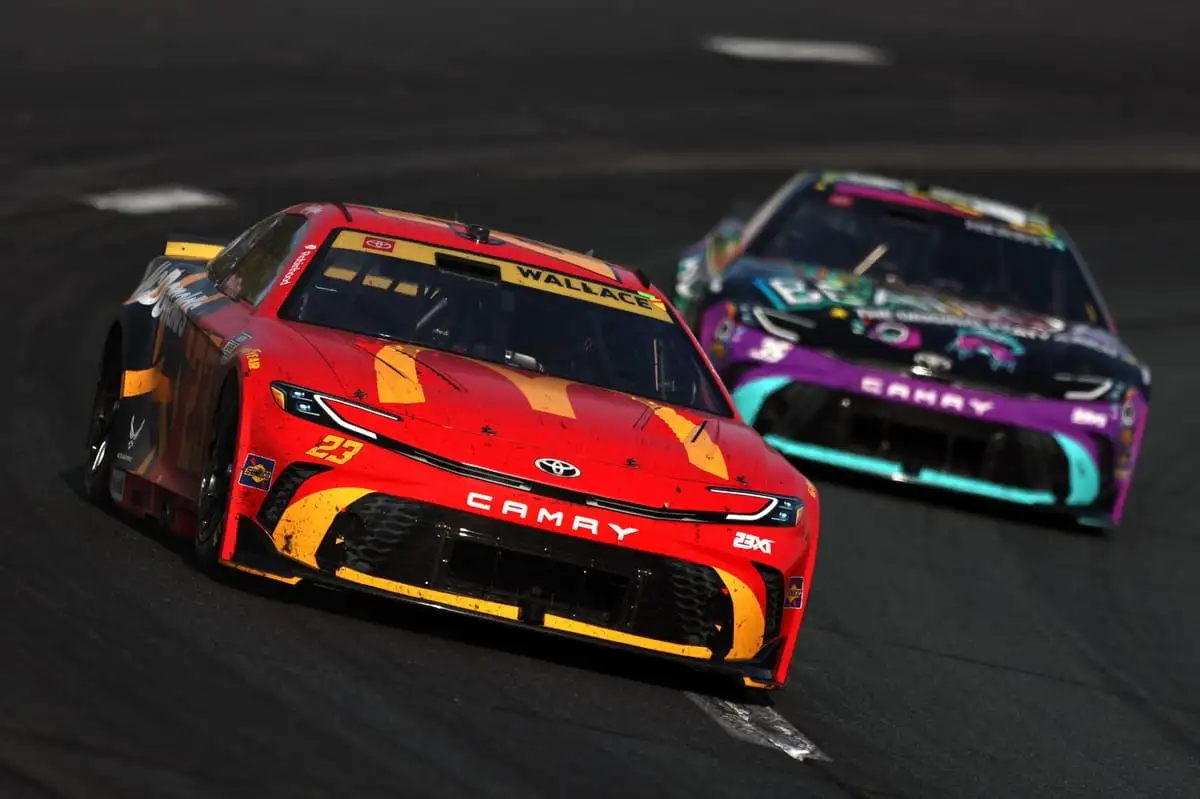
A key point of contention involves NASCAR's financial performance relative to its teams. While the organization reported a $103 million profit in 2024, a figure bolstered by a significant land sale, teams are struggling. They collectively received $670 million from NASCAR in the 2023-2024 period, yet this payout does little to offset their burgeoning expenses. Base event payouts hover around $141,000 per car, escalating to an average of $185,000 with historical bonuses. This system creates a widening chasm, where top teams secure up to $488,000 weekly, while mid-pack outfits face amplified vulnerabilities. Front Row Motorsports, for instance, has reportedly lost over $100 million, with $60 million of that debt accumulated since the inception of the charter system in 2016.
Read More: Taylor Decker Leaves Detroit Lions After 10 Years Due to Unmet Talks
Antitrust Accusations Mount
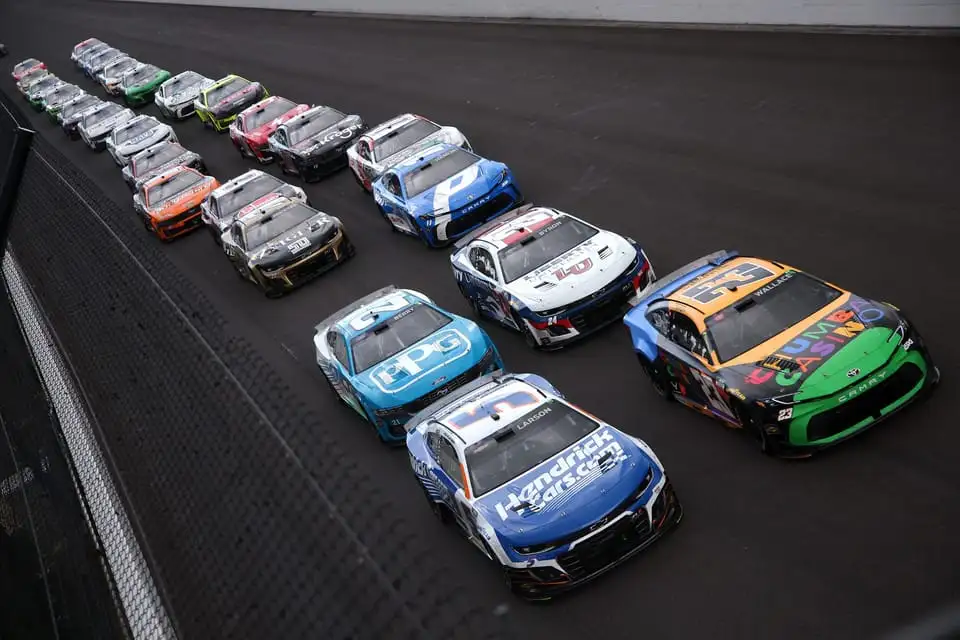
Central to the lawsuits is the assertion that NASCAR operates as a monopoly. Economists presented in court argue that NASCAR's 'exclusivity agreements' with racetracks—preventing them from hosting rival racing series—are a primary mechanism for stifling competition and maintaining undue leverage. These contracts, which shifted from annual terms to long-term deals, are seen as a deliberate strategy to "stave off any threats of a breakaway startup series."

"The contracts, he said, prohibit tracks from hosting competing stock-car series — preventing teams from racing anywhere else and giving NASCAR total leverage over the market."
An economist’s analysis, cited in legal proceedings, suggests NASCAR owes teams approximately $364.7 million. This figure reportedly accounts for lost revenue, diminished market value, and profits that would have been realized under a more competitive economic structure. NASCAR contests these findings, challenging the methodologies used, particularly comparisons to Formula 1's revenue distribution.
Read More: Commercial LPG Shortage in India Affects Restaurants and Hotels from March 8, 2026
Cost Controls and Next Gen Car
Teams also point to mandated cost increases, particularly concerning the introduction of the 'Next Gen' car. Despite NASCAR's assertions that it provided teams "every opportunity" to cut costs, reports indicate that required purchases of parts and cars from NASCAR-approved suppliers actually increased operational expenditures.
"Another primary point the teams made is that NASCAR forced teams to purchase cars and parts from NASCAR-approved suppliers, and that teams actually saw costs rise when required to put out the Next Gen car on the track."
The 'charter system', intended to provide teams with greater financial certainty, is also under scrutiny. Teams argue that a potentially time-limited charter devalues their long-term investment, likening it to a lease. The tension between rising media rights revenue and the perceived stagnation of guaranteed team income exacerbates these financial grievances.
Background of the Disputes
The current legal storm follows a period of considerable "churn among NASCAR teams," with several ceasing operations. The financial pressure on teams has been building for years, a situation exacerbated by what is described as NASCAR's imposition of controls on car development and expenditures. The ongoing litigation, including a significant antitrust case linked to Michael Jordan's team ownership, underscores a fundamental disagreement over revenue sharing and market control within the sport.
Read More: Tarik Skubal leaves World Baseball Classic to rejoin Detroit Tigers spring training