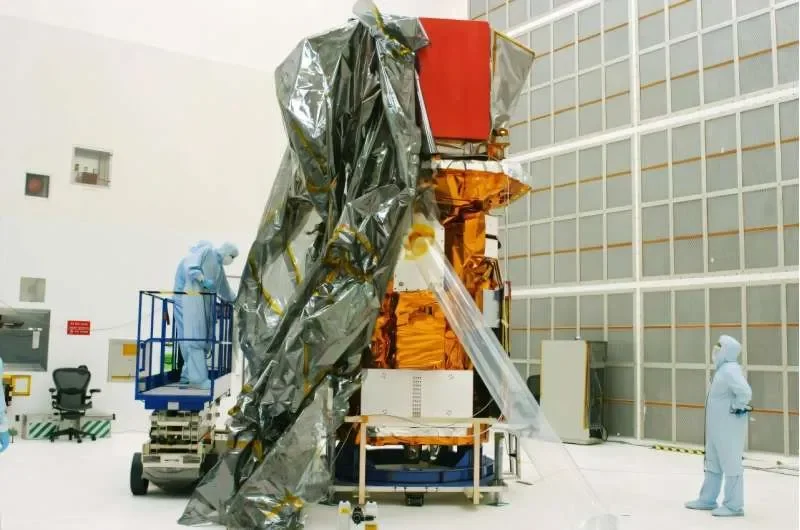
NASA scientists are looking into a peculiar method for cleaning clothes on Mars: using a plasma beam. The idea is to blast garments with a superheated gas to break down dirt and microbes. This 'laundry' approach, if successful, could dramatically reduce the need for water and detergents on long-duration space missions, a critical constraint when resources are so scarce.

The technology involves creating a plasma, a state of matter where gas is ionized, and then directing this energized stream onto the fabric. The intense energy within the plasma is expected to break apart organic molecules, effectively sanitizing and cleaning the material. This method bypasses traditional washing machines and their water demands.

Early testing is underway. Researchers are examining how effectively this plasma treatment can remove common contaminants and whether it poses any risks to the fabric's integrity. The aim is to see if this could be a viable alternative to water-based washing for astronaut garments during missions to the Red Planet.
Read More: NASA Robot Mission Launched to Raise Swift Telescope Orbit, Add 10 Years

The challenges are significant. Maintaining a stable plasma beam, controlling its intensity, and ensuring it doesn't degrade clothing over repeated use are all areas requiring careful investigation. Furthermore, the energy requirements for such a system need to be compatible with the power constraints of a Martian habitat.

This exploration into plasma cleaning stems from the ongoing need to innovate for sustainable space exploration. The significant limitations on water resupply and storage for Mars missions mean that any technology reducing water consumption is of high interest.
Background research into plasma applications for sterilization and cleaning exists on Earth, often used in medical or industrial settings. Adapting this technology for the unique environment of a spacecraft, and specifically for textile maintenance, represents a novel application. The long-term feasibility and efficiency of such a system for the astronauts of future Mars expeditions remains an open question.
Read More: Chrome mimeHandler API lets extensions handle file types