NASA has detailed its preliminary blueprints for establishing a presence on the Moon, prioritizing the development of landers, surface vehicles, and aerial drones. This initiative appears to be a significant step toward sustained lunar operations, moving beyond the fleeting visits of past exploration eras. The agency's recent communications highlight a forward-looking strategy, underscoring a drive to push the boundaries of off-world habitation and resource utilization.
Infrastructure First
The core of NASA's immediate lunar strategy revolves around the essential hardware for getting to and moving around on the Moon. Key among these are:
Landers: These will be the workhorses for transporting cargo and potentially crew to the lunar surface. The designs will likely need to accommodate various payloads, from scientific equipment to habitat modules.
Surface Mobility: Plans include the development of specialized 'buggies' or rovers, essential for traversing the lunar landscape, conducting geological surveys, and deploying equipment over wider areas.
Drones: The inclusion of aerial drones signals a move towards more dynamic exploration, capable of reaching difficult terrains and providing aerial reconnaissance.
Broader Context and Signals
While specific details regarding the timeline and technological specifications for these systems remain under wraps, the emphasis on such foundational elements suggests a phased approach to lunar base construction. The agency’s recent pronouncements, including a celebration of America’s 250th birthday and internal realignments aimed at accelerating mission delivery, seem to frame these lunar plans within a narrative of national progress and technological advancement.
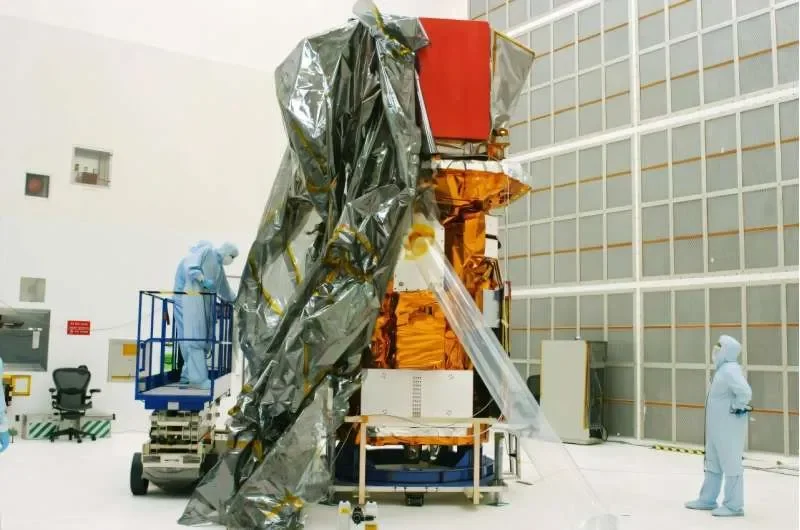
Read More: NASA Robot Mission Launched to Raise Swift Telescope Orbit, Add 10 Years
This push for lunar infrastructure coincides with NASA's ongoing space exploration endeavors. For instance, the recent conclusion of the Atmospheric Waves Experiment (AWE) mission, which successfully studied energy transfer in Earth's atmosphere, demonstrates the agency's capacity for long-duration, scientifically valuable missions. While the AWE's focus was terrestrial, its operational success underscores NASA's project management capabilities, which would be critical for a complex lunar base. The mention of competing for contracts related to facilities like the Jet Propulsion Laboratory also hints at a broader organizational strategy to optimize resource allocation for future ambitious projects.