NASA plans for up to three more lunar missions before the end of 2026, signaling an intensified push toward establishing a sustained presence on the Moon following the recent Artemis II mission. These upcoming missions, described as distinct and varied, aim to prepare the ground for eventual astronaut landings and underscore a strategic shift in the agency's lunar objectives.
Groundwork for a Permanent Base
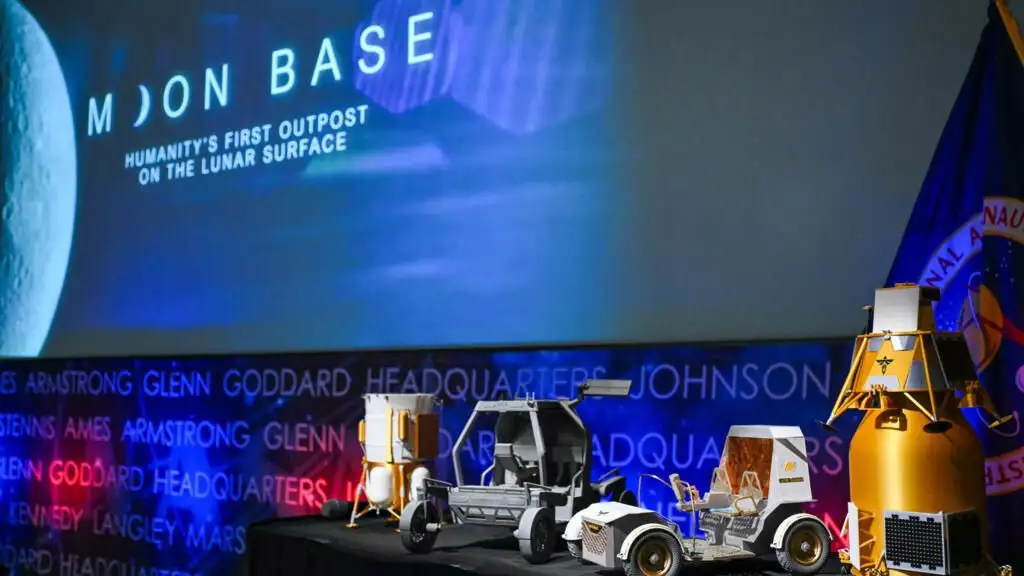
The agency has unveiled plans for a permanent lunar base, a significant undertaking detailed just weeks after the success of 'Artemis II'. This ambitious project includes establishing a security perimeter around the future site. Drones and remotely operated rovers are slated for deployment to scout optimal locations, with a focus on areas near the Moon's south pole. This preparatory phase highlights a methodical approach to what is envisioned as a long-term extraterrestrial outpost.
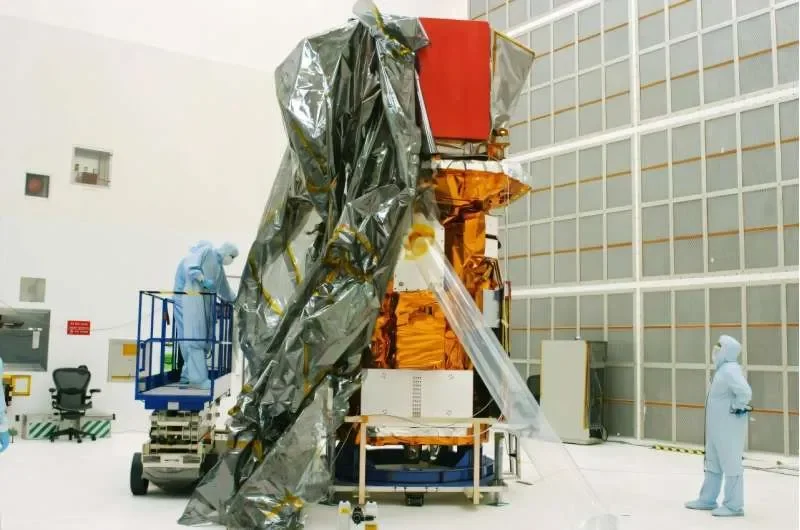
Read More: NASA Robot Mission Launched to Raise Swift Telescope Orbit, Add 10 Years
Diverse Mission Objectives
The planned lunar missions before 2026 will deploy different hardware, each with specific roles. One mission involves the 'Griffin' lander, aiming for the Moon's surface. Another, 'Moon Base 1', will utilize 'Blue Origin's' 'Blue Moon Mark 1' lander. Towards the close of the year, 'Moon Base III' is set to deploy 'Intuitive Machines's' 'Nova-C' rocket. These varied approaches suggest a multi-faceted strategy to test different technologies and approaches for lunar surface operations.
Broader Context and Technological Development
The 'Lunabotics Challenge', where student-built robots navigate simulated lunar terrain, is presented as a facet of NASA's broader engagement with lunar exploration. While this event focuses on undergraduate engineering, it aligns with the agency's stated need for robust robotic systems capable of operating in challenging environments, echoing the demands of future lunar missions.
Separately, there's mention of the 'ISS' retirement plans and the military's increasing involvement in lunar activities, alongside updates on other space exploration endeavors like Mars helicopters and the 'Starliner' capsule issues. The agency also continues to leverage live streaming, with plans to broadcast lunar construction activities in '4K'.
Read More: New York Mets vs Atlanta Braves 7 April 2026 NL East game preview
Artemis Program's Trajectory
The 'Artemis II' mission, which marked the return of humans to lunar orbit for the first time in over 50 years, is cited as a catalyst for these accelerated plans. The successful flight, which returned astronauts with striking images, serves as the immediate backdrop for NASA's stated intent to increase lunar activity. The 'Artemis II' mission is positioned as the first human flight of the program, paving the way for subsequent crewed missions. The agency has also alluded to the importance of these missions in a broader context, speaking of "a step towards humanity" and "space heritage."