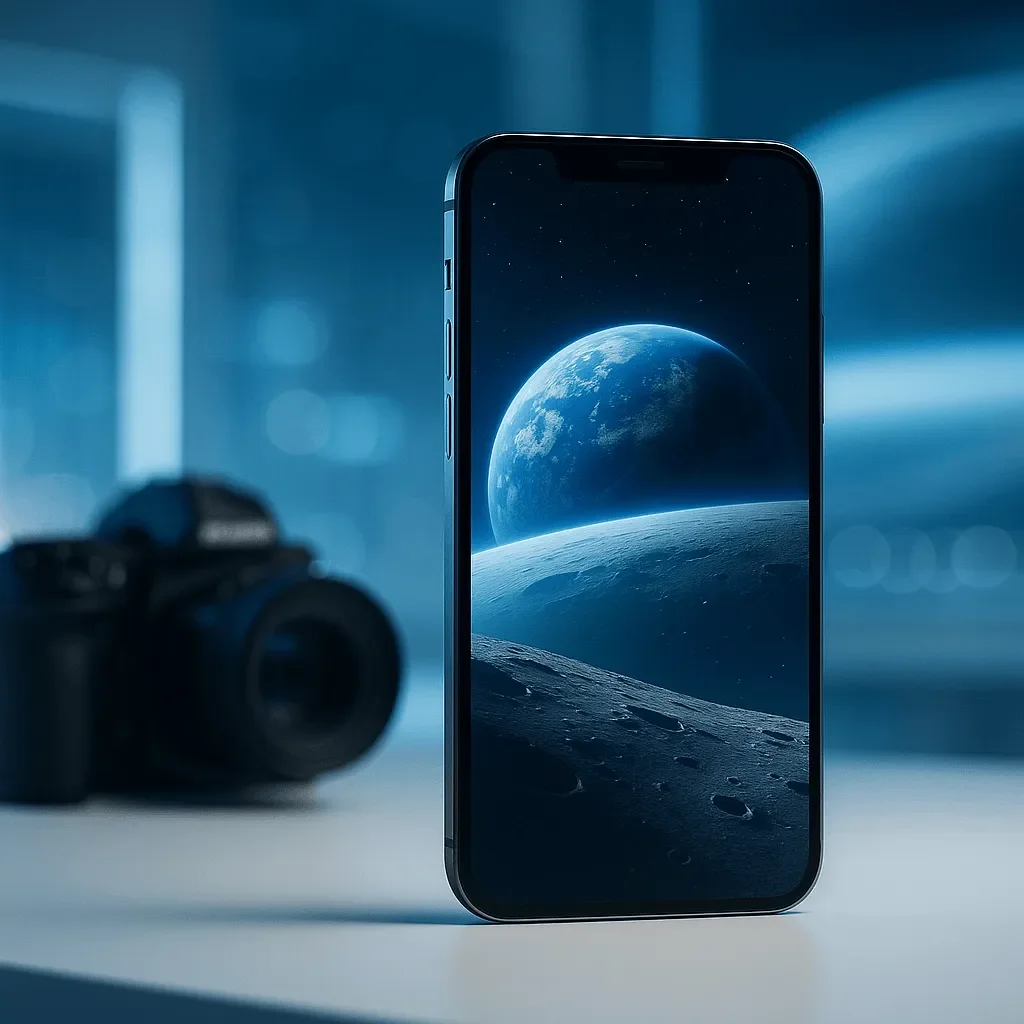
The buzzing in our pockets might soon be echoing in the vacuum of space. NASA, a name synonymous with pushing the boundaries of human endeavor, has announced a seismic shift in its long-standing technology policy. Astronauts on upcoming missions, including the highly anticipated Artemis II lunar flyby and the Crew-12 to the International Space Station, will be allowed to bring modern smartphones. This isn't just about taking better selfies from orbit; it signals a potential paradigm shift in how we document space exploration and perhaps even how astronauts interact with their mission. But as we celebrate this leap, critical questions linger: what’s driving this sudden relaxation of rules, what are the real risks, and has NASA truly embraced the future, or is this a PR move dressed up as progress?
Read More: NASA Fuel Cell Test For Moon Energy Storage Successful
The Decades-Long Stranglehold on Tech
For sixty years, NASA's approach to astronaut tech has been akin to a fortress, meticulously guarding against any potential glitch or interference. This has meant that while consumer electronics like smartphones have been rapidly evolving in our pockets, the tools available to astronauts have often been a decade or more behind, burdened by rigorous, time-consuming, and astronomically expensive certification processes. Think of it as bringing a horse-drawn carriage to a Formula 1 race.
Past Practices: Astronauts have historically relied on specialized, certified hardware. This often meant older, bulkier, and less capable devices.
The "Why Not Sooner?" Factor: The primary concern has always been potential interference with sensitive spacecraft systems. The GSM radio signals emitted by smartphones have been a major red flag, and even with assurances that they won't be used for calls, the potential for unforeseen interference is a nagging worry.
Previous Forays (and Limitations): It's not as if no smartphones have ever been to space. The Nexus S was cleared for use in 2011 with NASA's SPHERES project, primarily for its camera and data-gathering capabilities. Even earlier, NASA's own "PhoneSat" projects (PhoneSat 2.4 in 2015, and earlier iterations in 2013) utilized the brains of everyday smartphones for small satellites. However, these were controlled environments, often with wireless connectivity disabled, and not integrated into the primary mission operations or astronaut personal use in the way this new policy implies.
| Year | Incident/Project | Device Type | Connectivity | Primary Use | Outcome |
|---|---|---|---|---|---|
| 2011 | SPHERES Project (Nexus S) | Samsung Nexus S | Limited | Inventory, surveys, data collection, imagery. Controlled environment. | Integrated into mission tasks, freeing up astronaut time. |
| 2013 | PhoneSat Project | Off-the-shelf Smartphones | Disabled | Core computing for small satellites (CubeSats). | Demonstrated viability of smartphone tech in space for specific applications. |
| 2015 | PhoneSat 2.4 | Off-the-shelf Smartphones | Disabled | Enhanced capabilities for small spacecraft. | Successful "phoning home," proving resilience and functionality. |
| Now | Crew-12 & Artemis II | Modern Smartphones (e.g., iPhones) | To be determined | Photography, documentation, personal use, potentially operational tasks (TBD). | Policy shift, clearance for broader use. |
This historical reluctance paints a picture of a cautious agency, rightly prioritizing safety. So, what has changed so dramatically to warrant this apparent relaxation of the rulebook?
The "Why Now?" Conundrum: Shifting Tides at NASA
The official line from NASA Administrator Jared Isaacman is that this change will equip astronauts with better tools to capture "special moments" and share "inspiring images and video with the world." He even quipped on X (formerly Twitter) that "astronauts will soon fly with the latest smartphones." This sounds noble, even heartwarming. But is it the whole story?
Read More: MIT Boron-Oxygen Molecule Acts as Builder in Chemical Reactions

The Rise of Private Spaceflight: We’ve seen private astronauts on missions like Polaris and Axiom flights already bringing their personal smartphones along, proving they can survive the journey and function in space without years of specialized testing. This suggests that private actors are outpacing NASA’s internal development and certification cycles. Has private industry’s success forced NASA's hand?
Efficiency and Cost Reduction: Several reports highlight that using consumer technology can lower development costs and streamline operations. In an era of budget constraints, is this a pragmatic move to save money and gain efficiency?
Consumer Tech Superiority: The notion that "consumer electronics often surpass enterprise-certified alternatives" is being put to the test. Your average iPhone, after all, has gone through rigorous drop tests and is built to withstand significant wear and tear. Is NASA finally acknowledging that consumer tech, honed by a competitive market, can indeed be robust enough for space?
Documentation Needs: As space missions become more public-facing, with increased demand for real-time updates and high-quality media, the need for advanced, user-friendly cameras and communication devices becomes paramount.
The critical question is whether this policy shift is driven by a genuine embrace of cutting-edge, user-friendly technology, a pragmatic response to cost and efficiency demands, or a combination of both, spurred by the increasing involvement of private entities in space exploration.
The "Interference" Question: A Ghost in the Machine?
The specter of electromagnetic interference has long haunted discussions about bringing consumer electronics into space. Modern smartphones are sophisticated communication devices, packed with radios for cellular, Wi-Fi, and Bluetooth.
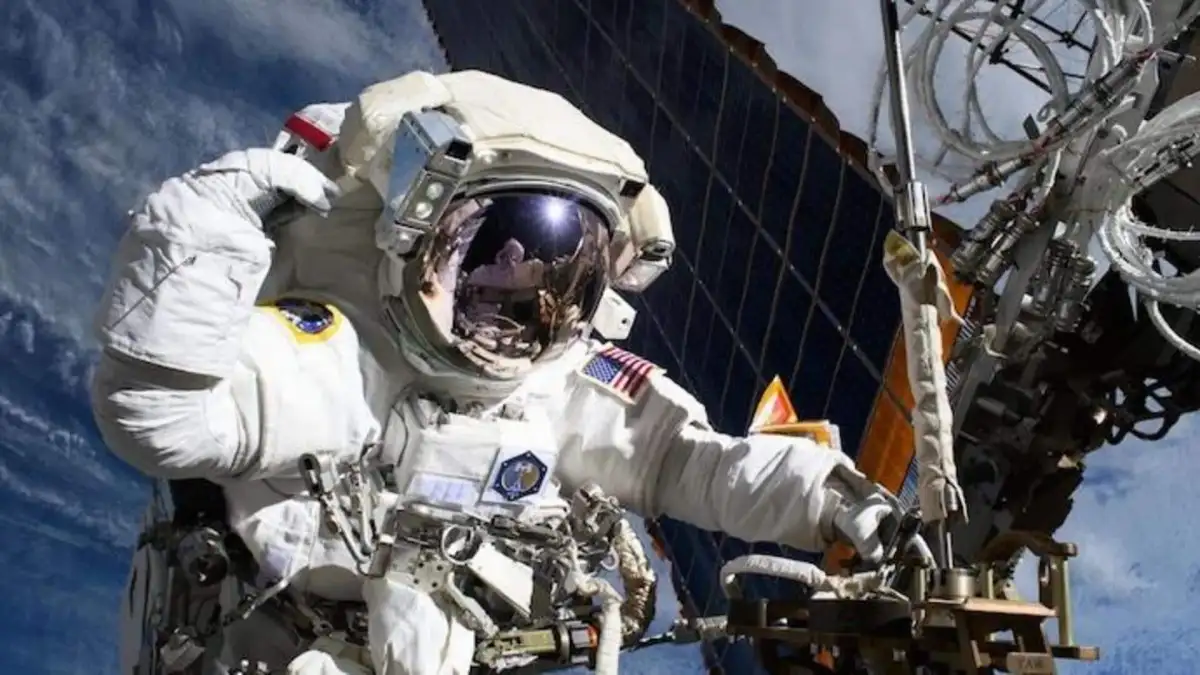
The GSM Fear: As one source pointed out, the GSM radio has been a primary concern. Even if astronauts won't be making calls, these signals are constantly emitted and received. What if they inadvertently disrupt critical navigation, communication, or life-support systems?
Consumer vs. Certified: Why is a device that might cause interference suddenly acceptable? Has NASA developed new shielding techniques? Have the specific smartphones chosen undergone rigorous, albeit perhaps newly defined, testing?
Are They Truly "Off-the-Shelf"? While the articles suggest modern smartphones like iPhones will be cleared, it's unclear if all wireless functions will be permitted. Will certain radios be disabled, or will NASA trust the devices to operate without issue? The mention of Raspberry Pi computers eschewing wireless connectivity entirely in the AstroPi project raises a flag: if wireless is such a concern, why allow it on personal devices?
The potential for unintended consequences from ubiquitous wireless signals remains a significant unknown. Have the risks been adequately assessed, or are we prioritizing convenience over caution?
What's in Your Pocket (for Space)?
The implications of this policy shift are vast, extending beyond just capturing breathtaking vistas.
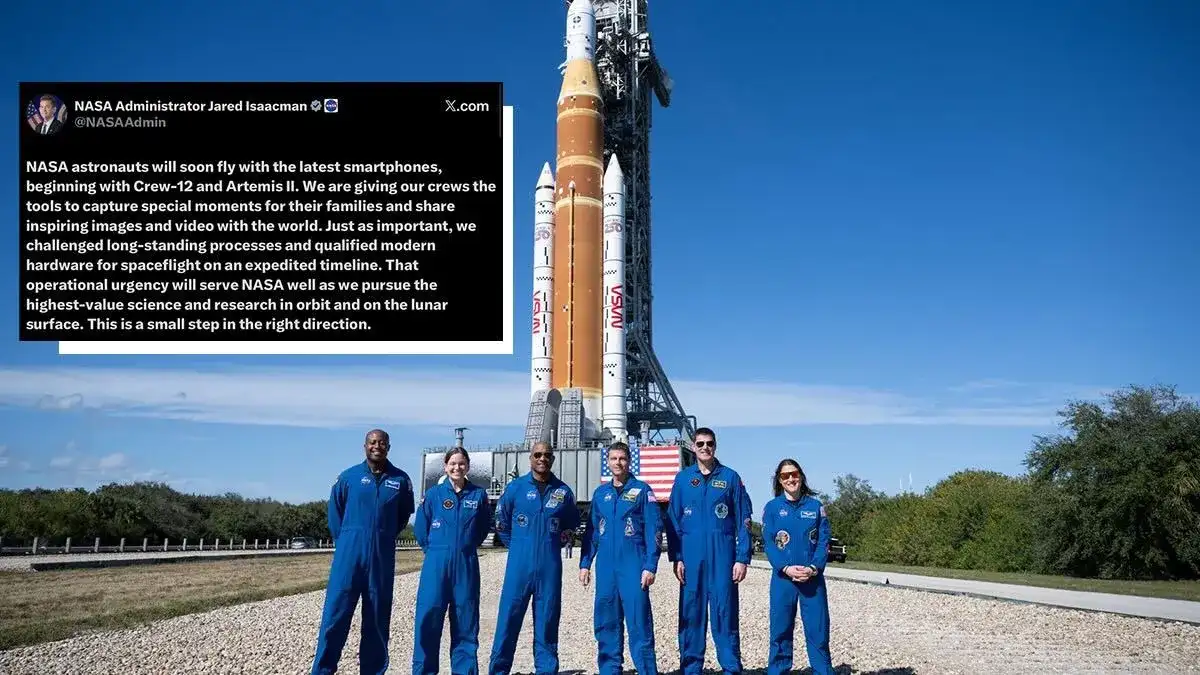
Mission Documentation Revolution: This could usher in an era of unprecedented visual documentation. Imagine the clarity and emotional resonance of Artemis II astronauts’ experiences, captured with devices we all use daily.
Astronaut Morale and Connection: Access to familiar technology could significantly boost astronaut morale, providing a tangible link to home and family.
Training and Procedure Aids: While specialized tablets are already used for procedures, modern smartphones, with their advanced processors and displays, could potentially offer even more dynamic and interactive ways to access mission critical information.
The "Which Model?" Dilemma: NASA hasn't specified which iPhone or smartphone models will be approved. This raises questions about the selection process. Is it based on brand, model, or specific hardware configurations?
This policy change isn't just about allowing iPhones; it's about acknowledging the power and ubiquity of consumer technology.
Validation of Consumer Electronics: It validates the public's suspicion that everyday gadgets can be incredibly robust and capable, often outperforming specialized, but older, enterprise solutions.
Future Implications for Space Exploration: If consumer tech proves successful and reliable in deep space, it could influence everything from future satellite design to the development of interplanetary communication systems.
The transition to consumer-grade technology in space isn't just a policy tweak; it's a potential endorsement of the broader commercial tech ecosystem that supports space exploration, potentially lowering costs and accelerating innovation.
Read More: Artemis II Astronauts Show Water Sphere Behavior in Space
Looking Ahead: The Double-Edged Sword of Progress
NASA's decision to allow modern smartphones on upcoming missions is a bold move, potentially heralding a new, more accessible, and visually rich era of space exploration. However, as with any significant policy change, especially one involving the inherent risks of space travel, critical scrutiny is warranted.
Transparency is Key: What were the specific tests and evaluations that led to this decision? How will NASA monitor for interference during these missions?
Are We Replacing, Not Supplementing? It's crucial that these personal devices supplement and do not replace mission-critical systems. The distinction between personal communication/documentation tools and essential flight hardware must remain absolute.
The Long Game: Will this policy extend beyond these initial missions? Will it pave the way for other consumer technologies to be integrated into the space program?
The allure of "vintage space tech" is fading, replaced by the sleek, powerful devices we carry every day. NASA's willingness to finally embrace this reality is, on the surface, a sign of progress. But as free-thinkers and critical observers, we must continue to ask the hard questions. Are we truly ready for the space age, or are we just updating the tools we use to watch it unfold from afar?
Sources:
The Register: Smartphones cleared for launch as NASA loosens the rulebook (https://www.theregister.com/2026/02/06/smartphonesnasa)
Geekspin: NASA will finally let astronauts bring iPhones to space (https://geekspin.co/nasa-astronauts-bring-iphones-to-space/)
GadgetReview: NASA Clears iPhones for Moon Mission After 60-Year Smartphone Ban (https://www.gadgetreview.com/nasa-clears-iphones-for-moon-mission-after-60-year-smartphone-ban)
TechBuzz.ai: NASA Clears Smartphones for Moon Mission After Decades (https://www.techbuzz.ai/articles/nasa-clears-smartphones-for-moon-mission-after-decades)
IBTimes: NASA Allows iPhones on Artemis Mission: Which iPhone Could Astronauts Use (https://www.ibtimes.co.uk/nasa-allows-iphones-artemis-moon-mission-which-iphone-could-fly-why-smartphones-are-now-being-1776757)
NewsBytesApp: NASA astronauts can now carry smartphones on upcoming space missions (https://www.newsbytesapp.com/news/science/nasa-greenlights-smartphones-for-iss-and-moon-missions/)
TechCrunch: NASA astronauts can now bring their phones with them on their mission to the moon (https://techcrunch.com/2026/02/05/nasa-astronauts-can-now-bring-their-phones-with-them-on-their-mission-to-the-moon/)
Samsung Newsroom: Nexus S, First Smartphone Cleared for Use Outer Space (https://news.samsung.com/global/nexus-s-first-smartphone-cleared-for-use-outer-space)
Mashable India: ‘Astronauts Will Soon Fly With The Latest Smartphones:’ Ahead Of Artemis II Lunar Mission NASA Relaxes Its Policy (https://in.mashable.com/science/105474/astronauts-will-soon-fly-with-the-latest-smartphones-ahead-of-artemis-ii-lunar-mission-nasa-relaxes)
The News International: Smartphones in orbit? NASA’s Crew-12 and Artemis II missions to use latest mobile tech (https://www.thenews.com.pk/latest/1391133-smartphones-in-orbit-nasas-crew-12-and-artemis-ii-missions-to-use-latest-mobile-tech)
StartupNews.fyi: NASA Lets Astronauts Bring Smartphones to the Moon (https://startupnews.fyi/2026/02/06/nasa-astronauts-smartphones-moon/)
NASA: NASA's Latest Space Technology Small Satellite Phones Home (https://www.nasa.gov/news-release/nasas-latest-space-technology-small-satellite-phones-home/)
Space.com: PhoneSats in Space: Tiny NASA Satellites Have Smartphone Brains (https://www.space.com/20772-nasa-phonesats-smartphone-satellites.html)