


The National Anti-Corruption Commission (NACC) has concluded its examination of the Robodebt scheme, identifying two senior public officials for engaging in "serious corrupt conduct" but opting against criminal charges. This outcome has left many victims of the flawed welfare system feeling disillusioned, with some expressing that the findings, released years after the scheme's inception and subsequent Royal Commission, offer little in the way of tangible justice or accountability.

The NACC report investigated the actions of five former public servants, including Kathryn Campbell, Catherine Halbert, Annette Musolino, Serena Wilson, and Mark Withnell, as well as former Prime Minister Scott Morrison. While Withnell and Wilson were found to have engaged in serious corrupt conduct, the other four individuals were cleared by the NACC, though other inquiries, such as the Royal Commission and an Australian Public Service Commission (APSC) investigation, may have reached different conclusions regarding their conduct.
Read More: Erika Kirk Joins Air Force Academy Board After Husband's Death
The NACC's decision not to refer the identified individuals for criminal prosecution has been a significant point of contention. Victims have voiced their frustration, stating that "naming them is not justice" and that the years-long process has yielded a result that feels hollow. The psychological toll of the Robodebt system on individuals, including alleged links to suicides, remains a stark reminder of the scheme's devastating impact, with compensation doing little to assuage the deep trauma experienced by those affected.
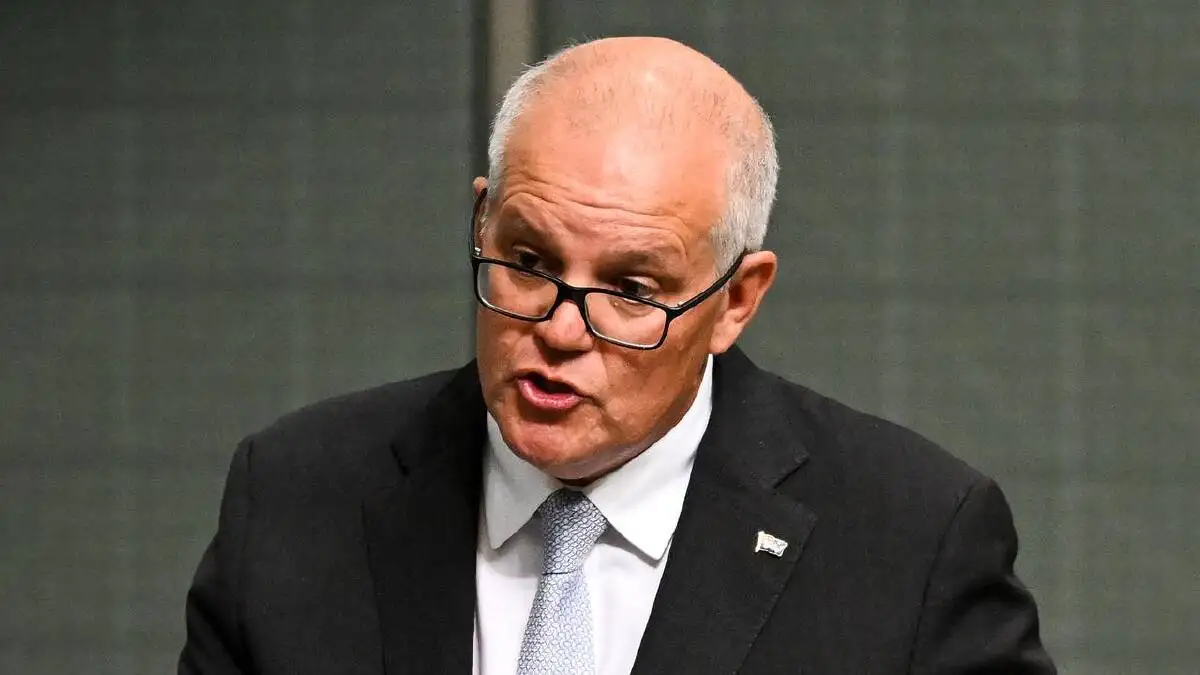
The NACC's report follows a lengthy and complex process, including a scathing Royal Commission that had previously recommended criminal and civil investigations into those involved. The final chapter of the Royal Commission's probe has only recently been made public, nearly two-and-a-half years after its initial recommendations. Attorney-General Michelle Rowland confirmed that all investigations stemming from the Royal Commission are now finalised.
Read More: Victorian Mother Uses Legal Order to Stop Schoolgirl Talking About Harassment
One report noted a potential issue where one of the referred public servants was allegedly given the opportunity to amend the NACC's media statement before its release, an act that has raised questions about transparency and fairness in the process. Another development saw the NACC agree to review its own decision after an independent review identified a perceived conflict of interest concerning Commissioner Brereton, who acknowledged his judgment was found to be mistaken.
Separately, an APSC investigation into Robodebt breaches of the APS code of conduct revealed a substantial number of code violations, with 97 breaches reported. These ranged from failures in exercising reasonable care and diligence to instances of dishonesty and providing false or misleading information. This points to a broader cultural issue within parts of the public service, with responses described as demonstrating a "dearth of public service leadership" and a "not my problem" attitude towards the fallout.
Read More: Karnataka Sub-Committee To Decide NICE Road Project Future by August
Background
The 'Robodebt' scheme, implemented by the Australian government, involved the automated averaging of income data to raise debts against welfare recipients. This method was widely criticised for being inaccurate and for placing the onus on individuals to disprove the alleged debts, often without sufficient access to their own financial records. The ensuing public outcry led to a comprehensive Royal Commission, which detailed the systemic failures, misleading information provided to Parliament, and the profound distress caused to thousands of Australians. The NACC's findings represent a subsequent layer of scrutiny, aiming to address corruption within the public service involved in the scheme's creation and operation.