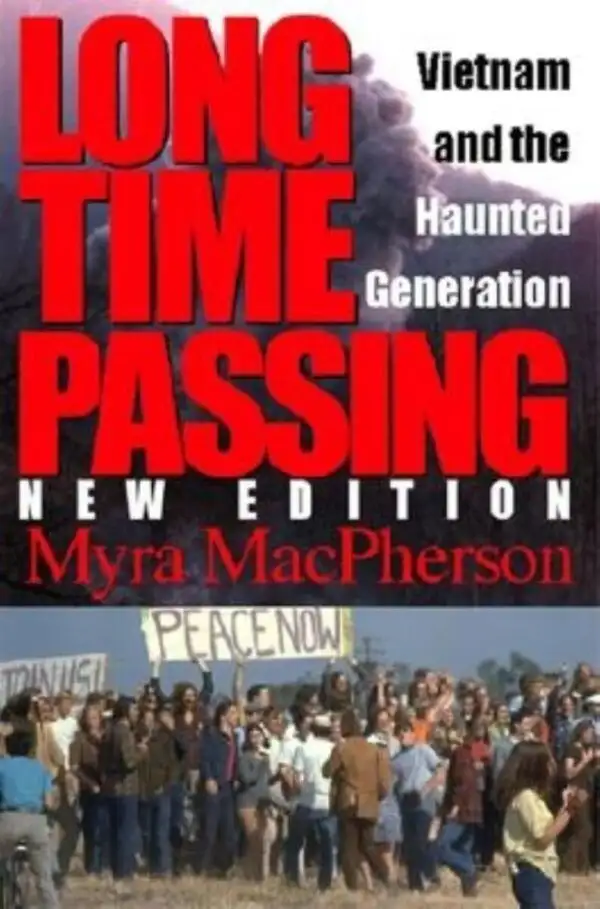
The recent passing of Myra MacPherson at 91 marks the end of an era for investigative journalism, particularly her unflinching gaze upon the often-ignored aftermath of the Vietnam War. Her death from congestive heart failure, as confirmed by her son Michael Siegel, robs the world of a fearless voice. But what truly resonates is the depth of her commitment to understanding the human cost of conflict, a commitment that fueled her most impactful work. While obituaries celebrate her trailblazing career, they often skim over the profound societal issues she brought to light. This investigation aims to unpack the critical importance of MacPherson's reporting, especially her seminal book Long Time Passing: Vietnam and the Haunted Generation, and question why its lessons remain so painfully relevant.
A Pioneer Navigating Hostile Waters: MacPherson's Early Career and the Fight for a Voice
MacPherson's journey into journalism was anything but easy. She carved her path in an industry where newsrooms were “casually hostile” to women, as one report notes. Her own experience at the Detroit Free Press exemplifies this: an editor, upon learning she wasn't interested in the women's desk, reacted as if she'd committed a grave offense. This anecdote, recounted by MacPherson herself, highlights the deeply ingrained gender bias she battled from the outset.
Read More: Epstein Files EXPLODE: Bill Gates' Secret Pandemic Simulation Talks EXPOSED!
Early Groundbreaking Roles: MacPherson wasn't just a reporter; she was a trailblazer. She broke barriers from her early days, serving as editor-in-chief of her high school paper and later as night city editor of the student newspaper at Michigan State University.
Battling Sexism in the Newsroom:
The Detroit Free Press editor’s shock at her ambition indicated a pervasive attitude: "We have no women in the city room."
MacPherson’s refusal to be pigeonholed into less significant roles was a quiet act of defiance that paved the way for future generations.
Foundation for Future Work: Her early experiences, including working for her university’s daily newspaper, instilled in her the foundational skills that would later define her career. As she herself stated, "Work on the university daily newspaper prepared me for my career."
"We have no women in the city room," the editor told her, MacPherson said.
This early struggle for recognition and equal footing within the profession underscores a larger narrative of women fighting for their place in traditionally male-dominated fields. What other groundbreaking journalists faced similar, unacknowledged obstacles? How did these early indignities shape MacPherson's empathy for marginalized voices later in her career?
The Haunting Echoes of Vietnam: Long Time Passing and its Enduring Power
MacPherson's most celebrated work, Long Time Passing: Vietnam and the Haunted Generation, wasn't just a book; it was an act of profound societal reckoning. The impetus for this three-year deep dive came from a series proposal for The Washington Post. This wasn't a quick assignment; it involved crisscrossing the nation, immersing herself in the lives of hundreds of Vietnam veterans and their civilian peers. Her goal was clear: to understand the "tenacious grip of the Vietnam War on the American psyche."
Read More: SHOCKING TRUTH: Billionaires EXPOSE Secret Climate Agenda, Global Elite's Radical Plan REVEALED!
The Genesis of a Masterpiece:
Inspired by seeing Carol Burnett portray a mother in the TV movie Friendly Fire and thinking of her own son, MacPherson became acutely aware of the veterans' plight.
She even experienced direct action, being briefly jailed for her involvement in a 1981 Washington protest, a testament to her personal commitment to the anti-war movement.
A Comprehensive Look at the Fallout: The book meticulously examines the war's impact, covering a spectrum of experiences:
| Topics Covered in Long Time Passing |
| Draft Board Blues |
| The Vet Centers |
| Atrocities |
| Personal Testimonies |
| Anti-War Movement Dynamics |
The Unseen Toll: MacPherson's reporting extended beyond the soldiers to acknowledge the suffering of others, like nurses who often endured more severe emotional trauma and were frequently unaware of their benefits. She noted that for many, the "10-year time period for qualification after leaving the service had expired." This detail points to a systemic failure to support those who served.
"So, it is not surprising that as vets, they often feel invisible. … Nurses often suffered a more severe emotional mauling than soldiers who had respites from combat.”
What societal mechanisms allowed these veterans, and others like them, to be overlooked for so long? How did MacPherson's intimate narratives, gathered through extensive interviews, manage to pierce the public consciousness when official channels failed? Her dedication to bringing these stories to light, even at personal risk (like her brief jailing), begs the question: what more needs to be done to ensure such oversight doesn't happen again?
Beyond Vietnam: A Career of Critical Examination
While Long Time Passing stands as a monumental achievement, MacPherson's career was marked by a consistent commitment to scrutinizing power and highlighting overlooked narratives. Her work at The Washington Post saw her profile key figures from the Watergate scandal and cover five presidential elections. She also authored other significant books, including the award-winning biography All Governments Lie: The Life and Times of Rebel Journalist I.F. Stone, a testament to her admiration for critical, independent journalism.
Profiling Power: MacPherson's reporting on politics and scandals demonstrated her ability to dissect complex events and hold powerful figures accountable. Her focus on Watergate, a defining moment in American political history, showcases her early engagement with crucial national narratives.
Championing Truth-Tellers: Her biography of I.F. Stone ("All Governments Lie") reveals a deep respect for journalists who challenge official narratives and pursue truth relentlessly, a principle she herself embodied.
Exploring Life's Intimate Struggles: Her book profiling a woman battling breast cancer, She Came to Live out Loud, showcased a different, yet equally vital, facet of her writing – the ability to delve into personal experiences with empathy and insight. Critics praised it for conveying "death and grieving as positive, life-affirming processes" and for presenting "a rich description of an optimistic, charismatic woman who stubbornly refused to allow illness to run her life."
Publishers Weekly noted that MacPherson "succeeds in bringing readers into the dying woman's intimate world and in conveying everyone's grief."
What does MacPherson's diverse body of work tell us about her underlying journalistic philosophy? Was her critical lens on politics informed by her early experiences with sexism, leading her to champion the underdog and question authority? How does her ability to capture both grand political narratives and intimate personal struggles reflect a holistic understanding of the human condition?
The Unfinished Conversation: Lessons from Long Time Passing
Even decades after its initial publication, Long Time Passing remains a vital document. In a new introduction for a later edition, MacPherson reflected on the persistent impact of the Vietnam War and the ongoing costs to American society. This update underscores the tragedy of the situation: what has truly changed since her initial reporting, and what remains tragically the same?
Generational Trauma and Societal Neglect: The book’s core message is that the wounds of Vietnam inflicted on veterans, and by extension the nation, have not fully healed. The "haunted generation" continues to grapple with the war's legacy.
The Persistence of the Problem: MacPherson’s own words about what has and hasn't changed suggest that the societal issues she identified—lack of support, misunderstanding, and the lingering psychological impact of war—are deeply entrenched.
| Key Questions Raised by MacPherson's Ongoing Relevance |
Are current support systems for veterans truly adequate?
Has public perception of military service and its consequences evolved significantly?
What are the "key points of reference from the 1980s" that still resonate today in discussions about war and its veterans?
A Call to Continued Action: The continued availability of her book, through various sellers and academic platforms, signifies its enduring importance. It’s not just a historical account; it’s a reminder of a debt still owed and a conversation that must continue.
In a new introduction, Myra MacPherson reflects on what has changed, and what hasn't, in the years since these interviews were conducted… and brings the stories of her principal characters up-to-date.
MacPherson’s work compels us to ask: are we still failing our veterans? Have we learned the lessons of Vietnam, or are we doomed to repeat past mistakes with each new conflict? Her passing is a moment to not only remember her contributions but to actively engage with the difficult truths she so bravely brought to light.
Conclusion: A Legacy of Courage and Critical Inquiry
Myra MacPherson was more than a reporter; she was a fierce advocate for truth and a compassionate chronicler of human experience. Her career, defined by perseverance in the face of adversity and an unwavering commitment to investigative depth, leaves an indelible mark. Her most significant contribution, Long Time Passing, serves as a stark reminder of the profound and lasting impact of war, urging us to confront the stories of those who served and sacrificed.
The questions raised by her work are not rhetorical. They demand ongoing attention, policy changes, and a deeper societal understanding of the costs of conflict. As we mourn her loss, we must also honor her legacy by continuing the critical examination she championed, ensuring that the voices of the haunted generation, and all those affected by war, are finally heard and understood. Her life's work is a powerful testament to the journalist's role in holding power accountable and in fostering empathy through rigorous, compassionate reporting. The unfinished conversation she started needs us now more than ever.
Sources:
The State News: Myra MacPherson, trailblazing Washington Post journalist, dies at 91
https://statenews.com/article/2026/02/state-news-alum-and-washington-post-reporter-myra-macpherson-dies-at-91
New York Times (via Dnyuz): Myra MacPherson, Who Wrote Wrenchingly About Vietnam Vets, Dies at 91
https://dnyuz.com/2026/02/05/myra-macpherson-who-wrote-wrenchingly-about-vietnam-vets-dies-at-91/
New York Times (via Dnyuz): Myra MacPherson, trailblazing Washington Post journalist, dies at 91
https://dnyuz.com/2026/02/03/myra-macpherson-trailblazing-washington-post-journalist-dies-at-91/
Encyclopedia.com: MacPherson, Myra
https://www.encyclopedia.com/arts/educational-magazines/macpherson-myra
WGBH: Myra MacPherson
Vietnam Full Disclosure: The Endless Tragedy of Vietnam By Myra MacPherson
https://www.vietnamfulldisclosure.org/endless-tragedy-vietnam-myra-macpherson/
Ms. Magazine: Myra MacPherson - Author
Kirkus Reviews: Long Time Passing: Vietnam and the Haunted Generation
https://www.kirkusreviews.com/book-reviews/a/myra-macpherson-4/long-time-passing-vietnam-and-the-haunted-gener/
AbeBooks: Long Time Passing: Vietnam and the Haunted Generation - MacPherson, Myra
https://www.abebooks.co.uk/9780385158428/Long-Time-Passing-Vietnam-Haunted-0385158424/plp
Project MUSE: Long Time Passing
Goodreads: Long Time Passing: Vietnam and the Haunted Generation
https://www.goodreads.com/en/book/show/499948.LongTimePassing