


A Monumental Gem Emerges from a Land in Turmoil
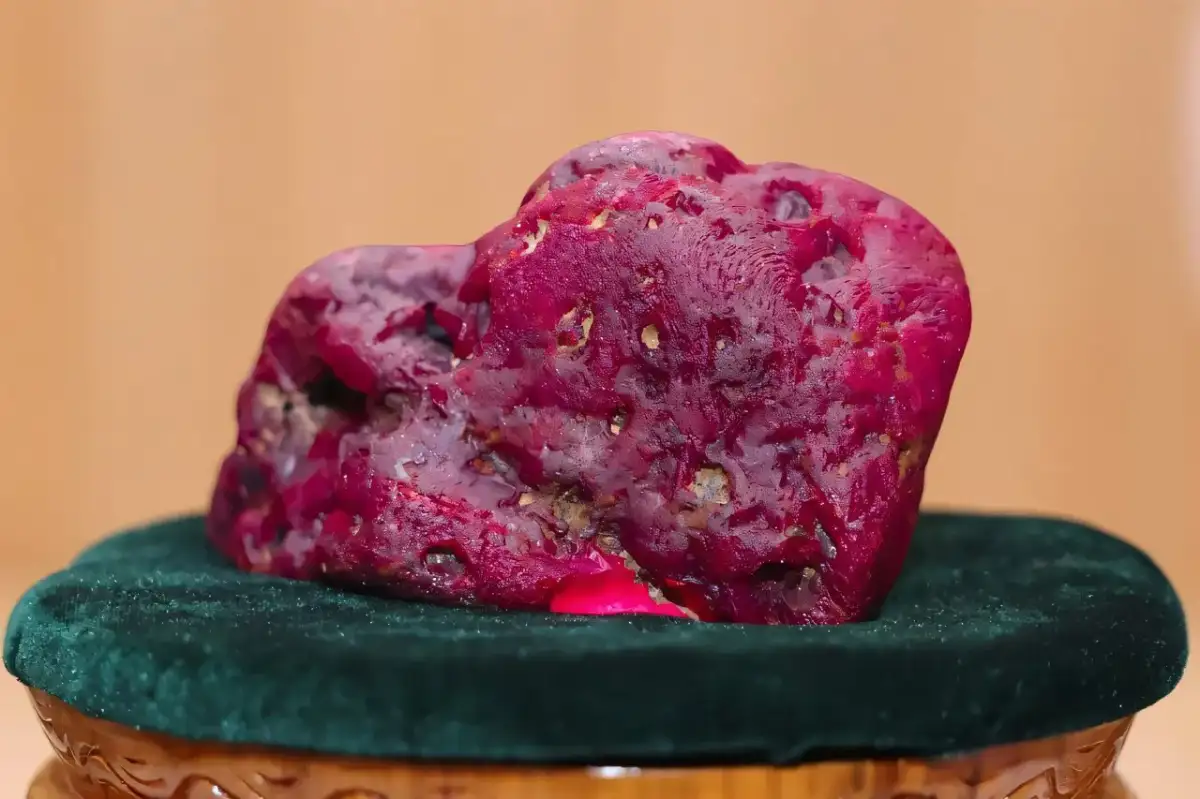
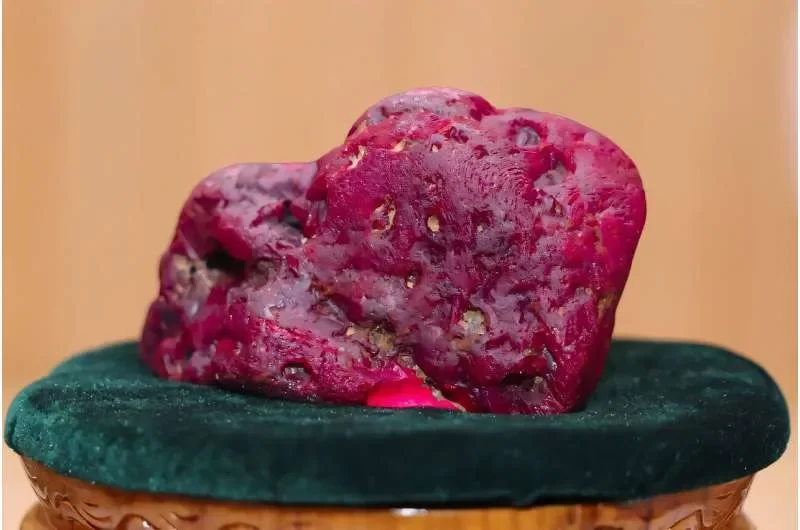
A 11,000-carat ruby, a specimen of immense size and described with a purplish-red hue and yellowish undertones, has surfaced in Myanmar. The stone, weighing 4.8 pounds, was found near Mogok, a region historically renowned as the heartland of the country's lucrative gem-mining industry. This discovery, however, arrives in a landscape fraught with intensified fighting as a wide-ranging civil war grips the nation. The gem's emergence spotlights the complex and often grim realities of Myanmar's resource extraction, where wealth generation is inextricably tied to decades of conflict and alleged human rights abuses.

The sheer scale of the ruby – measuring 11,000 carats and 4.8 pounds – makes it a significant find in the world of gemstones. Its purplish-red hue with yellowish undertones, coupled with moderate transparency and a highly reflective surface, indicates a high-quality grade.
Funding Conflict, Fueling Abuse
The lucrative gem-mining sector in Myanmar is a notorious wellspring of revenue, not only for state entities but also for various ethnic armed groups vying for autonomy. This dual role has demonstrably helped to perpetuate and fuel the nation's protracted internal conflicts over many decades. Human rights organizations, including the Britain-based Global Witness, have consistently urged jewelers to cease purchasing gems sourced from Myanmar. Their reasoning is stark: the industry has served as a vital revenue stream for successive military governments.
Read More: Huge 11,000-carat ruby found in Myanmar amid fighting
Recent reports from the United Nations echo these concerns. Tom Andrews, UN Special Rapporteur on human rights in Myanmar, detailed in his April report, "From Impunity to Justice," that the Myanmar military, the Tatmadaw, has engaged in egregious violations of international human rights and humanitarian law. These include instances of forced labour and sexual violence occurring in northern Myanmar, directly linked to their business operations. A UN human rights expert, speaking last month, highlighted that decades of impunity have plunged the country into a human rights catastrophe, marked by attacks on civilian populations, persecution of ethnic minorities, and widespread sexual violence.
Read More: Myanmar's Suu Kyi moved from prison to house arrest on Thursday
A Global Market's Complicity
The Myanmar military regime has been actively seeking to circumvent international sanctions by pushing ruby and sapphire sales, particularly towards China. An event highlighted efforts to connect Myanmar's gemstone traders with Chinese buyers, involving agreements to market these gems in China. While the quality of Myanmar's offerings, including its sapphires (ranked second globally), is noted, the underlying ethical quandary persists. This push towards international markets, even amidst reports of losing control over key mining regions, underscores the desperate measures taken by the regime to secure vital income.
The Mogok valley, where such unique "pigeon-blood" stones are found, has a long history of conflict, with emperors, kings, and warlords historically contending for control. The Mogok rubies are famed for their high value, with top-tier gems commanding multi-million-dollar prices, all within an industry notoriously bereft of regulation.
A Legacy of Exploitation
The discovery of this massive ruby brings into sharp focus the historical context of gem mining in Myanmar. For decades, this industry has been intertwined with political instability and authoritarian rule. The earth yields immense value, but the human cost, often hidden from view, remains a critical element in understanding the true price of such treasures.
