


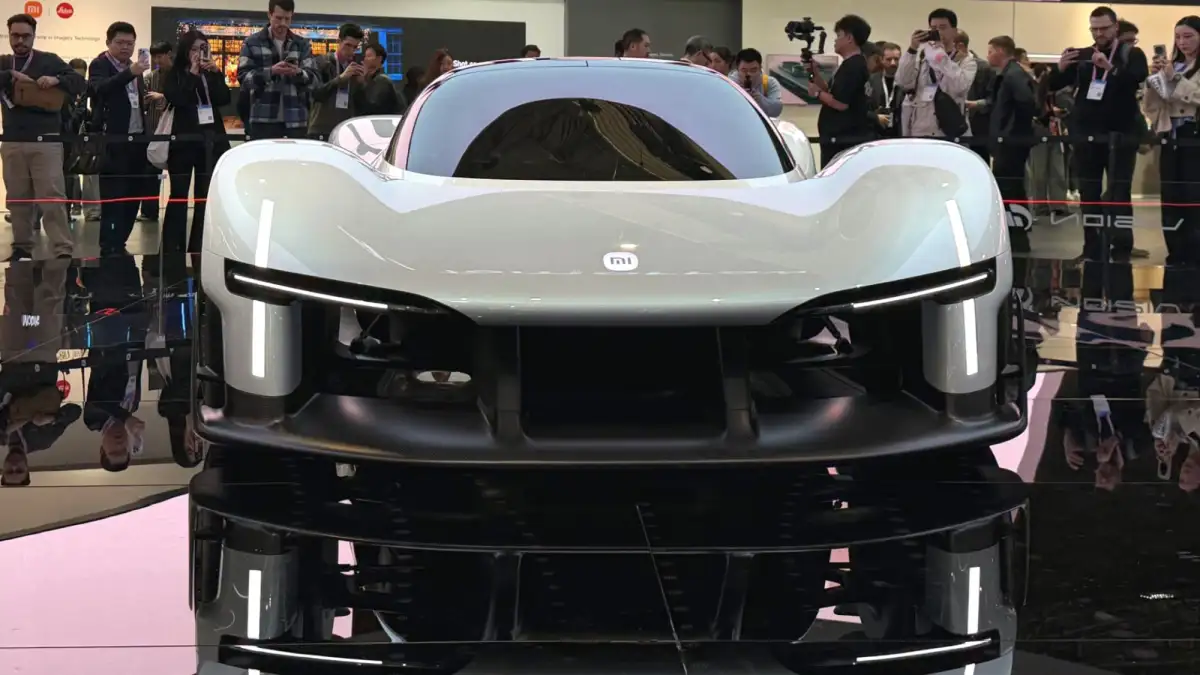
The industrial sprawl in Barcelona has produced a jagged collection of moving parts. Honor introduced a handheld machine called the Robot Phone, a device that mimics biological movement alongside a larger humanoid counterpart. While the "Robot Phone" acts as a motorized companion, the brand’s actual market push relies on the Magic V6 foldable and the MagicPad4 tablet. Xiaomi anchored its presence with the 17 Ultra, a glass-and-metal slab dedicated to lens optics, and a virtual-racing-inspired hypercar, the Vision Gran Turismo.
"On-device AI is becoming a feature you feel, not just see… instantly transcribing calls and reorganizing galleries without crippling battery life."
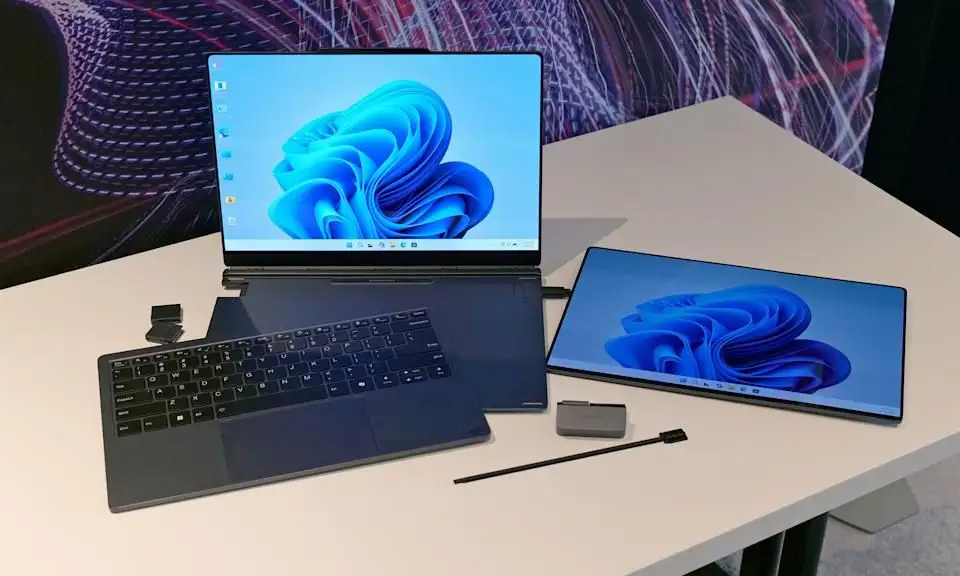
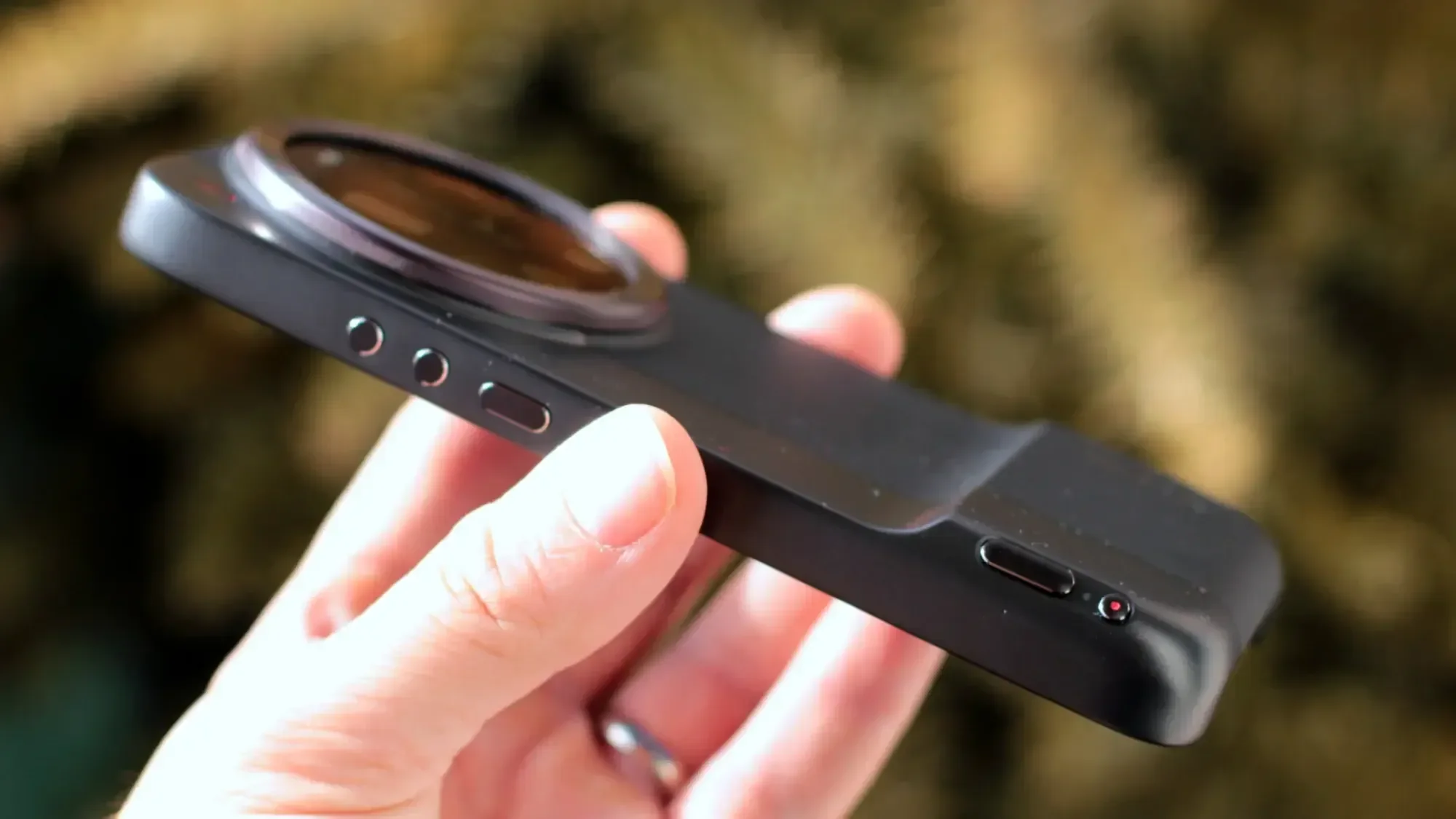
Behind the polished glass, the industry is digging up old ideas of modularity. Tecno showcased a Modular Phone Concept that allows users to snap on telephoto lenses, power banks, and gaming controllers. This echoes the failed Project Ara of the previous decade. Lenovo mirrored this with a ThinkBook concept using interchangeable ports (USB-C, HDMI, USB-A) and a folding gaming handheld, the Legion Go Fold.
Read More: Chrome mimeHandler API lets extensions handle file types

Fragmented Tools and Visual Extremes
The technical ceiling for screens has shifted toward aggressive brightness. Honor’s panels now claim a peak of 6,000 nits, a level of light designed to fight direct sun but likely to tax power cells. Samsung debuted the Galaxy S26 Ultra, featuring a "privacy display" and the Snapdragon 8 Elite Gen 5 processor.
| Manufacturer | Primary Device | Key Distinguishing Feature |
|---|---|---|
| Honor | Robot Phone | Motorized chassis / AI "comfort" |
| Xiaomi | 17 Ultra / Leitzphone | Leica partnership / Purist camera UI |
| Samsung | Galaxy S26 Ultra | Privacy-focused screen layering |
| Tecno | Modular Concept | Plug-and-play hardware attachments |
| Lenovo | Legion Go Fold | Flexible display gaming handheld |
Xiaomi’s Leica Leitzphone serves as a specialized variant of the 17 Ultra, stripped of some mass-market clutter for "purist" photographers.
The REDMAGIC 11 Pro appeared in a limited Wuthering Waves skin, targeting the specific niche of high-heat mobile gaming.
Service robots equipped with 5G and Edge AI occupied the floor, performing scripted dances and tasks that remain disconnected from average household utility.
The Return of the Swappable Part
The shift toward modularity suggests a plateau in standard phone design. If a rectangle cannot be improved, companies are now asking users to rebuild it. Lenovo’s modular laptop concept attempts to fix the planned obsolescence of fixed ports, allowing a "plug-and-play" physical interface.
"It attaches to their collar… it even lets your pet call you."
Reflective Analysis:The 2026 cycle reveals a desperation for "form." When internal speed gains (AI stabilization, transcription) become invisible, the industry retreats into external gimmicks—robots that dance, phones that dunk in water, and screens that fold into smaller squares. These are not solutions to human problems; they are expensive responses to a saturated market. The Xiaomi Vision Gran Turismo hypercar is perhaps the loudest symbol of this—a high-cost physical object built to celebrate a digital ghost.
Read More: Barcelona asks about signing Rafael Leao for April 2026 transfer
Historical Context: The Folding Curve
For three years, foldables were the "future." At MWC 2026, they are treated as standard inventory. The Honor Magic V6 is marketed not for its hinge, but for its thinness and battery density. The "innovation" has moved from the screen itself to how many bits of plastic (like the Xiaomi Tag or Watch 5) can be tethered to the central device. The industry is no longer building a phone; it is building a fence.





