Testimony Unveils Musk's Proposals for AI Talent Under Tesla
Recent court proceedings in the ongoing legal battle involving Elon Musk and OpenAI have brought to light startling proposals where Musk allegedly sought to absorb OpenAI's operations and talent within Tesla's structure. Court documents and testimony presented Wednesday in federal court, specifically from former OpenAI board member Shivon Zilis, indicate Musk's intention to integrate OpenAI into a Tesla-based artificial intelligence division.
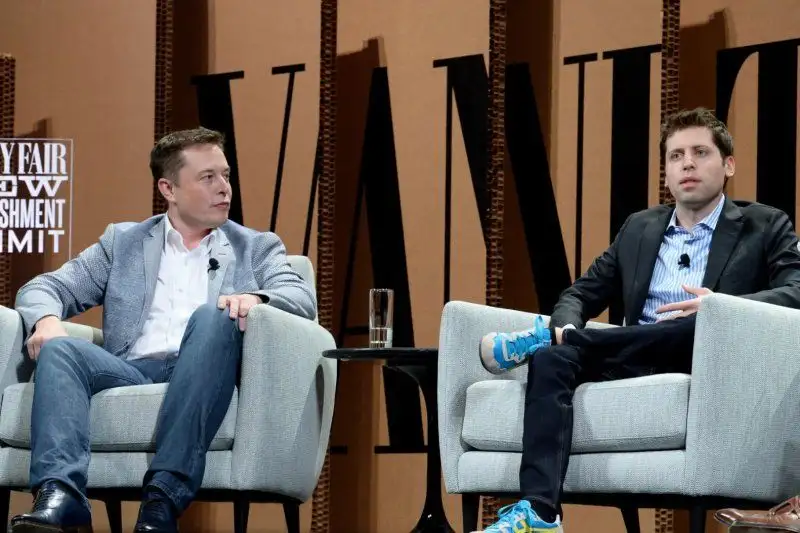
Zilis, who also confirmed her co-parenting relationship with Musk, testified that Musk had offered OpenAI CEO Sam Altman a seat on the Tesla board. This move was purportedly part of a larger strategy to consolidate top AI talent under Tesla's umbrella. Musk reportedly expressed concerns about Tesla and OpenAI competing for the same AI researchers, suggesting that bringing them together would preempt such conflicts. Emails and internal documents presented in court reportedly detailed scenarios where Altman would lead a Tesla AI lab, aiming to create a division capable of challenging major players like Google DeepMind and Meta's AI research arms.
Read More: Chrome mimeHandler API lets extensions handle file types
Trial Focuses on OpenAI's Genesis and Musk's Role
The legal dispute, initiated by Musk, centers on his allegations regarding OpenAI's deviation from its original mission and his pursuit of damages alongside Altman's removal from the board. However, Musk's own testimony, which concluded recently, has shifted focus, with his legal team indicating the case is not solely about Musk but also about Altman, OpenAI co-founder Greg Brockman, and Microsoft.
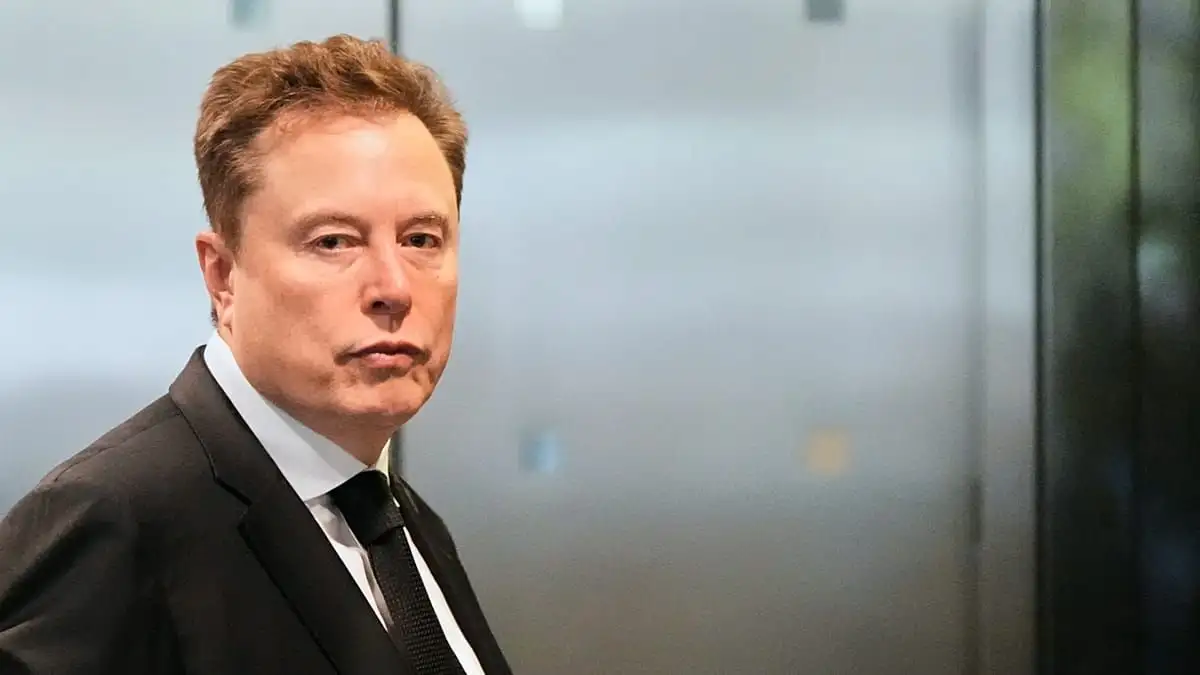
Musk took the stand, stating he is not seeking personal damages and would donate any awarded sum to OpenAI's nonprofit arm. His testimony has encompassed his views on AI's rapid advancement, likening its development to raising a child that requires guidance. Musk asserted that OpenAI would not exist without his contributions, citing his role in securing crucial computing power through connections with Microsoft CEO Satya Nadella and Nvidia CEO Jensen Huang, as well as his recruitment of key researchers like Ilya Sutskever.
Read More: Judge Reyes halts East Potomac Golf site work until April 21 2026
Background: The Genesis of OpenAI and Musk's Departure
The trial delves into the foundational period of OpenAI, with Musk and Altman presenting differing accounts of their early collaborations and the company's strategic direction. Musk's involvement in AI discussions dates back to the early days of the field, where he engaged in meetings and dinners to explore the technology's potential.
Musk co-founded OpenAI in 2015 alongside several others, including Sam Altman and Greg Brockman. His departure from the board in 2018 stemmed from perceived conflicts of interest as he was simultaneously leading efforts at Tesla, which was also developing its AI capabilities. The current legal proceedings are examining the motivations and agreements that shaped OpenAI's trajectory and Musk's subsequent disengagement.