


Core Dispute Emerges: The Pivot from Nonprofit to Profit
Elon Musk has testified in the unfolding fraud trial against OpenAI, framing the company's transformation as an act of "looting a charity." His legal team contends that OpenAI, led by Sam Altman and Greg Brockman, betrayed a foundational agreement to advance humanity when it shifted towards a for-profit model, attracting significant investment from entities like Microsoft. This pivot, Musk's side argues, was driven by a desire for personal riches rather than altruistic goals.
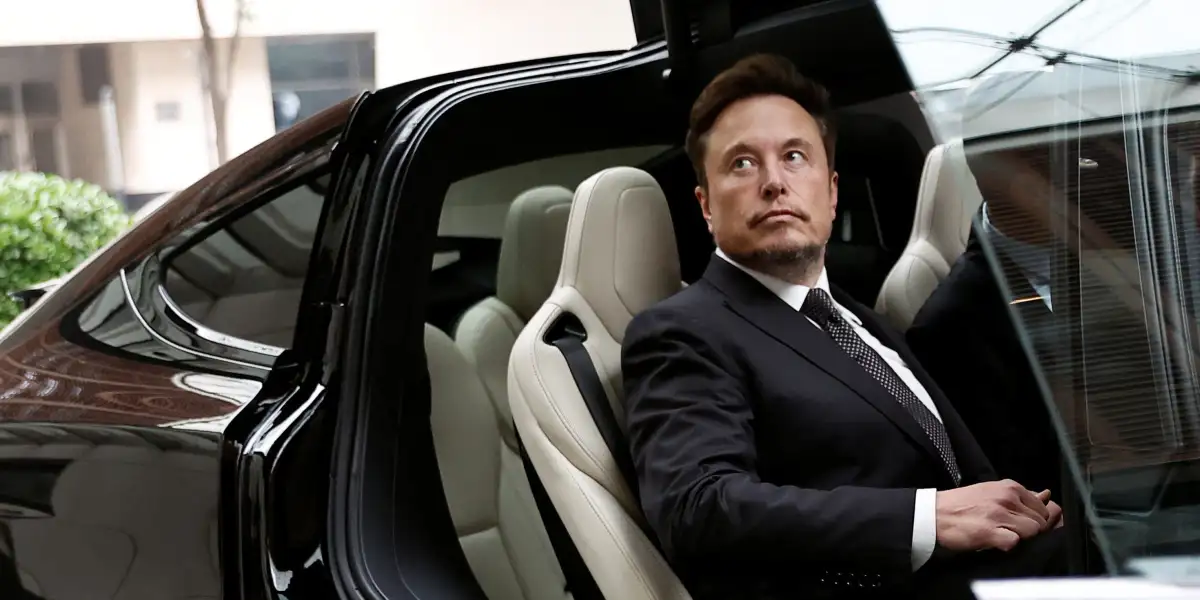
The central point of contention revolves around OpenAI's shift from its initial nonprofit structure to a for-profit entity. Musk alleges this transition constitutes a fraudulent act, violating the core principles under which he and others contributed.
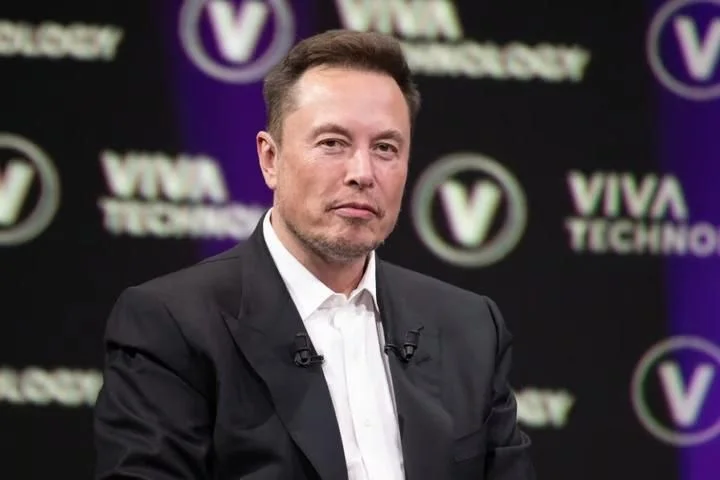
Allegations of Betrayal and Misrepresentation
Musk's lawyers, particularly Steven Molo, presented their opening arguments by accusing OpenAI of "stealing a charity." They highlighted Musk's initial contributions, which they claim were made under the understanding that OpenAI would remain a nonprofit dedicated to benefiting humanity. Conversely, legal representatives for Altman and Brockman, including lead attorney William Savitt, have sought to flip this narrative. They argue that AI safety was not a primary concern for Musk and that he disparaged OpenAI employees focused on this aspect.
Read More: Musk Sues OpenAI in Oakland Over AI's For-Profit Shift
Financial Contributions and Valuation Doubts
Details of Musk's alleged contributions to OpenAI have surfaced, including statements about donating brand-new Teslas to founders and significant financial grants. He claims these contributions were contingent on OpenAI's nonprofit status. However, at a pre-trial hearing, U.S. District Judge Yvonne Gonzalez Rogers openly questioned the valuation of Musk's alleged damages, raising doubts about the methodology used to calculate the harm he claims to have suffered. Musk himself stated on social media platform X that any proceeds from a legal victory would be donated to charity, asserting he would not personally profit from the lawsuit.
Background of the Legal Battle
The trial, pitting Elon Musk against Sam Altman and OpenAI, commenced with opening arguments, initiating a legal contest over the company's origins and trajectory. Musk sued Altman and OpenAI last year, asserting that his financial backing was provided with the explicit condition that the organization would remain a nonprofit entity focused on serving humanity. OpenAI's defense has sought dismissal, arguing that many of Musk's contributions were indirect, potentially involving donor-advised funds. Musk, however, maintains that the case warrants a trial due to disputed facts regarding whether OpenAI and its leadership misled him and misused his charitable contributions. Usage statistics presented in court show Musk's xAI trailing significantly behind OpenAI.
Read More: Blake Lively Lawsuit: Justin Baldoni Denies Business Setback Claims


