Centennial Pujas Announced Amidst Rhetoric of Resilience and Unity
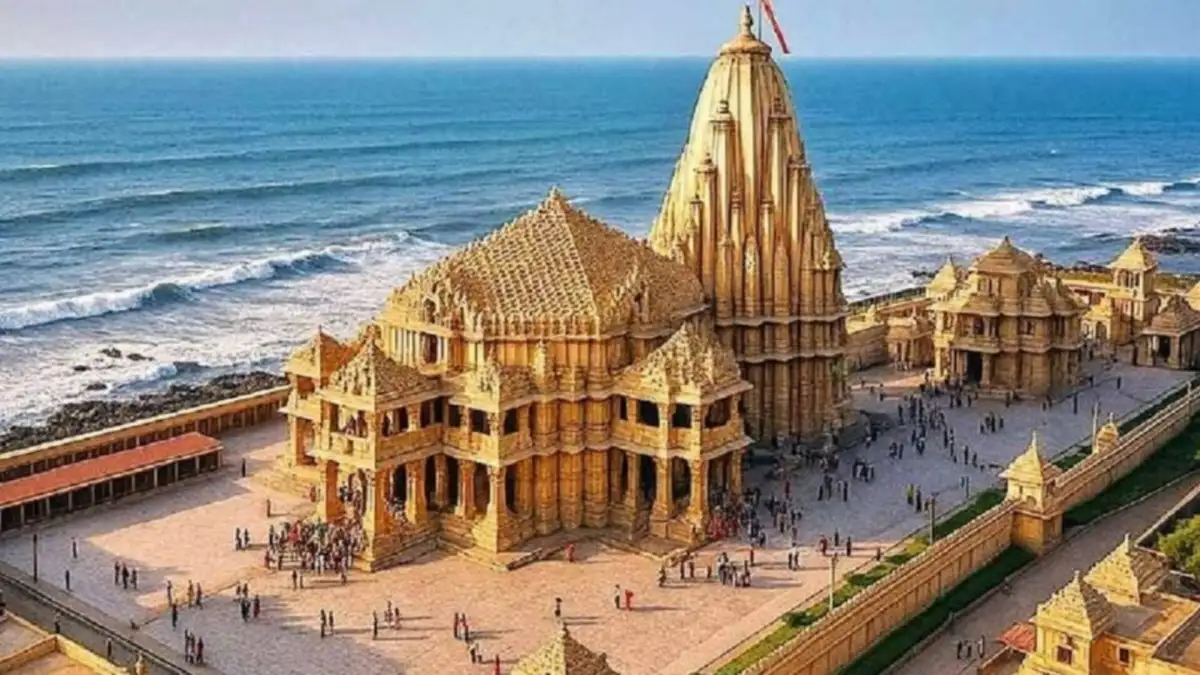
Prime Minister Narendra Modi has announced a series of special pujas to be held at the Somnath Temple for the next thousand days, commencing immediately. This initiative marks the 75th anniversary of the temple's restoration and commemorates what he described as a "thousand-year courage." Modi, in a series of statements and a signed article, framed the temple's long history as a symbol of India's "unconquerable spirit" and "civilisational resilience."
The Prime Minister articulated a vision of "Bharat" as a sacred entity, intrinsically bound by a "sense of oneness," particularly relevant in a world perceived as marked by divisions. He stressed the importance of unity and drew parallels between the temple's endurance through centuries of upheaval and the supposed continuity of Indian civilization. This narrative was interwoven with the 125th birth anniversary celebrations of Sardar Vallabhbhai Patel, credited with championing the temple's restoration.
Read More: Cliffe Knechtle: God's 4 Answers to Prayer on US Campuses
A Journey From "Ruin to Renewal"
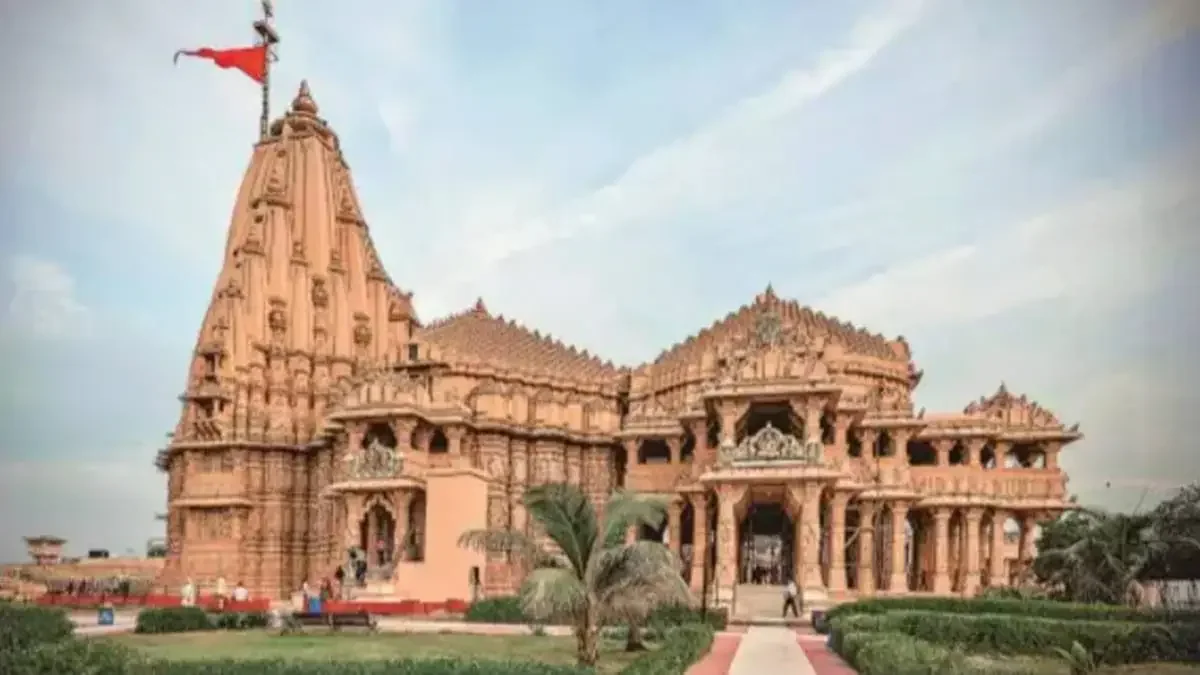
Modi highlighted the Somnath Temple's trajectory, describing it as a journey from "Vidhvans to Srijan" (destruction to creation). He acknowledged the sacrifices of those who protected and rebuilt the temple over time, including Sardar Patel, who, he noted, did not live to see the restored temple open. The Prime Minister invited citizens to visit Somnath during this period, encouraging them to "feel the strong pulse of a civilisational spirit that refuses to fade, that is unbroken and unyielding."
Broader Aspirations and Ongoing Initiatives
Beyond the immediate commemorations, Modi linked the Somnath narrative to broader national objectives. He spoke of efforts to "restore prosperity to the lives of people" and invoked the principle of "Vikas Bhi, Virasat Bhi" (Development and Heritage). This, he explained, involves modernizing spiritual sites while preserving their traditional character, enhancing connectivity, boosting local economies, and fostering national unity under the "Ek Bharat, Shreshtha Bharat" (One India, Great India) initiative.
Read More: India IVF Costs And Social Barriers Limit Access In April 2026
Historical Context and Enduring Significance
The Somnath Temple, located in Prabhas Patan, Gujarat, has a long and complex history marked by destruction and reconstruction across various empires and dynasties. Its strategic and religious significance has led to repeated attempts at its demolition and subsequent rebuilding. The restoration of the current temple structure was completed in 1951, shortly after India's independence, a project significantly advanced by Sardar Patel and then Prime Minister Jawaharlal Nehru. Modi's invocation of its "thousand-year courage" references its historical persistence through numerous invasions and shifts in political power, suggesting a continuity of spirit that transcends temporal rulers.