Intensive planting methods are yielding remarkably fast-growing, dense ecosystems, dubbed "tiny forests," which are now being re-purposed as crucial sanctuaries for endangered tree species. Originally conceived to inject greenery into built-up areas, these compact woodlands are proving to be potent tools in conservation efforts, especially in regions grappling with severe deforestation like Southeast Asia and South America.

These small-scale forests, often cultivated using the 'Miyawaki' method, function as 'living seed banks,' offering a vital refuge for botanical diversity on the verge of collapse. Conservationists are increasingly turning to these 'pocket-sized woodlands' to safeguard vulnerable trees, moving beyond their initial purpose of enhancing urban biodiversity and combating climate change.

Rapid Growth, Ecological Benefits
The 'Miyawaki' technique, which originated in Japan, is characterized by its rapid and dense growth. These mini-forests are reported to grow ten times faster than conventional wooded areas. This accelerated development stems from trees and shrubs actively competing for light in their initial stages. Beyond their swift expansion, these ecosystems are noted for their capacity to absorb more carbon dioxide than timber plantations, contributing to climate change mitigation.
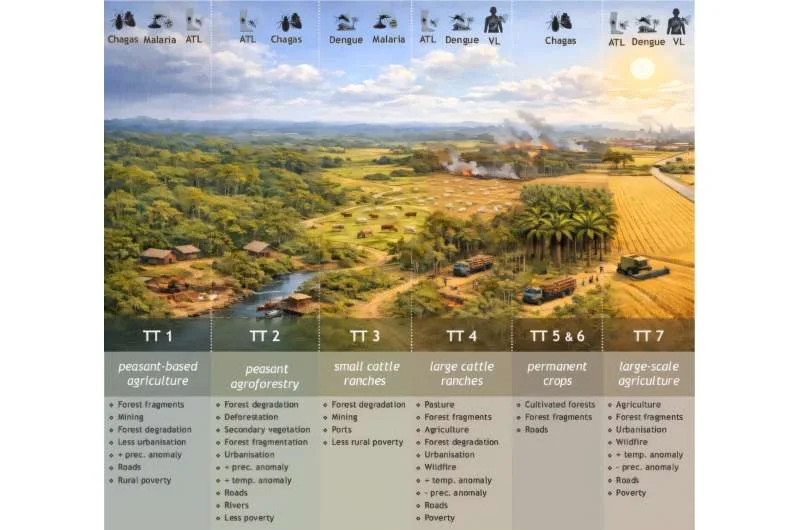
Read More: Amazon Land Use Changes Cause Disease Clusters in Brazil

The ecological advantages are multifaceted. Reports suggest these urban green spaces offer broader benefits beyond just the trees themselves, contributing to a healthier urban environment.

Beyond the Botanical: Community and Conservation
While the ecological impact is a significant driver, the utility of these miniature forests extends into community engagement and urban planning. Residents are actively involved in planting these dense groupings of trees in various overlooked spaces—vacant lots, neglected parks, and along roadside verges. This grassroots involvement underscores a growing concern about climate change and a desire to reintroduce natural elements into developed landscapes.
However, it is crucial to note that conservation groups emphasize that these 'Miyawaki' forests should not be seen as a substitute for the protection of existing, mature native woodlands.
A Nod to Tradition, A Glimpse of the Future
The concept of 'tiny forests' draws inspiration from ancient Asian practices, notably the art of bonsai, which is over a thousand years old. While bonsai traditionally focuses on single trees cultivated for aesthetic appeal, the modern 'tiny forest' movement amplifies the collective power of dense, small-scale arboreal arrangements. Audiences, it seems, are particularly captivated by these miniature arboreal landscapes.
Read More: 15-Minute City Model Needs Services Close to Homes
Historically, the establishment of bonsai faced skepticism, with a misconception that trees could only qualify as bonsai if they originated from Japan. Similarly, early perceptions of the modern tiny forest movement may have overlooked its broader applications beyond aesthetic urban greening. Common species associated with traditional bonsai, such as junipers and Japanese maples, stand in contrast to the diverse, native species often prioritized in conservation-focused tiny forest projects.