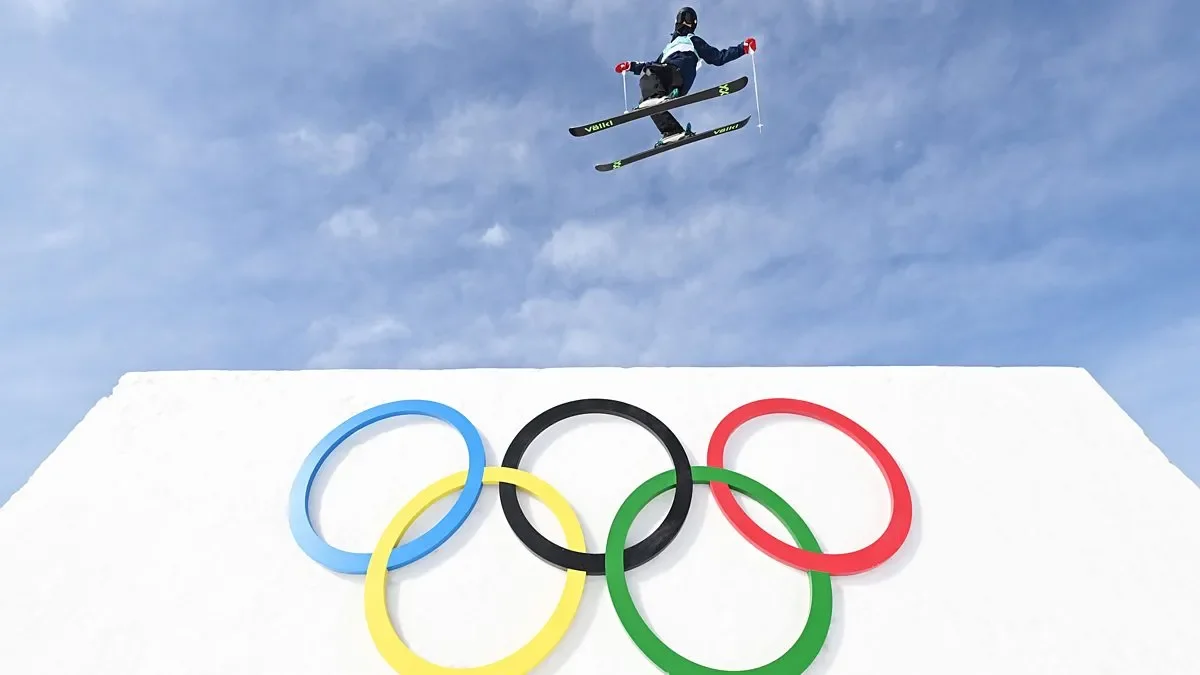
The upcoming Milan Cortina 2026 Winter Olympics, while showcasing extraordinary athletic prowess, also presents a lexicon of specialized terms that may prove obscure to the general observer. As athletes prepare to compete in disciplines ranging from the aerial grace of ski jumping to the intricate maneuvers of figure skating, understanding the unique language of these sports is crucial for a complete appreciation of the events. This analysis aims to clarify some of these less common terms, providing a foundation for observers to engage more deeply with the competition.
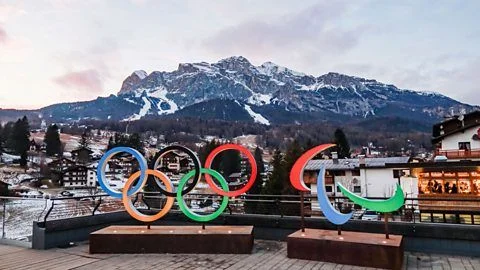
The Winter Olympics, a global spectacle of sports contested on snow and ice, involves a diverse array of athletic pursuits. For the Milan Cortina 2026 games, as with past iterations, athletes will engage in events governed by specific rules and characterized by unique terminology. This terminology, often developed over decades within each sport, can serve as a barrier to full comprehension for those outside the immediate sporting community. The intent here is to illuminate these terms, fostering a more informed viewership.
Read More: Lindsey Vonn faces long recovery after Milano-Cortina Olympic crash
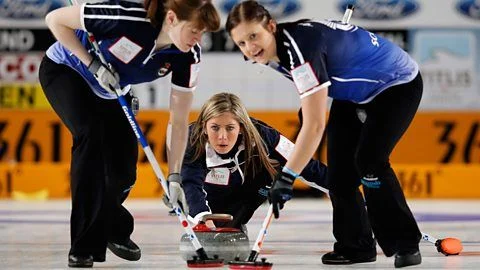
Context: The Evolving Language of Winter Sports
The history of the Winter Olympics is marked by the introduction of new sports and the refinement of existing ones, each contributing to a distinct vocabulary. Terms like "nose butter" in skiing or "twizzle" in figure skating, for instance, describe highly specific actions or techniques integral to performance within those disciplines. The BBC's "Bitesize" article highlights the educational aspect of the games, touching on the physics involved in sports like curling and ski jumping, suggesting an underlying complexity that the sport's language helps to define. Similarly, CNN's quiz focuses on historical data points, such as host countries and notable athletes, demonstrating that understanding the Olympics extends beyond current events to its historical framework.
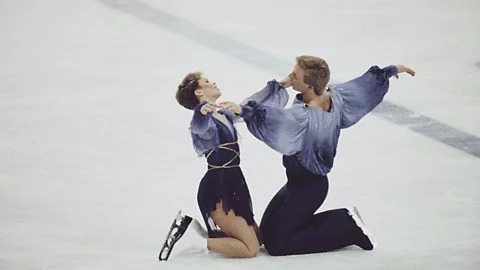
Origins of Olympic Terminology: The specialized terms used in Winter Olympic sports often arise from the practicalities of execution and the evolution of techniques within each discipline.
Historical and Factual Quizzes: Various quizzes, like those from CNN and ProProfs, test knowledge of Olympic history, athlete achievements, and factual data, underscoring the importance of context.
Educational Resources: Platforms such as BBC Bitesize aim to educate audiences about the scientific principles and historical context of the Winter Games, indirectly addressing the need to understand sport-specific language.
Evidence of Specialized Terminology
The primary challenge for many observers is the inherent technicality of Winter Olympic sports. A Daily Mail article poses questions designed to gauge familiarity with such terms, indicating their prevalence and potential for confusion. For example, inquiring about "nose butter" or "twizzle" points to the existence of a specific jargon that is not universally understood. Quizzes, in general, serve as a direct indicator of terms that are considered noteworthy or potentially baffling.
Read More: FIFA World Cup 2026 Revenue Reaches $15 Billion With New Ticket Prices
"Nose Butter" and "Twizzle": These terms, cited by the Daily Mail, are examples of technical jargon that require explanation for a wider audience.
Quiz Formats: The widespread use of quizzes, as seen in the Daily Mail, CNN, ProProfs, and QuizQuiz, suggests a recognized need to test and potentially educate the public on various aspects of the Winter Olympics, including its terminology.
Sport-Specific Language: Each sport within the Winter Olympics possesses its own set of technical terms that are essential for performance and understanding.
Deep Dives: Understanding Specific Terms
Skiing Terminology: "Nose Butter"
The term "nose butter" is specifically associated with skiing. It describes a particular maneuver where a skier intentionally allows the front tip of their ski, the "nose," to make contact with the snow in a controlled manner, often to initiate a turn or maintain balance on uneven terrain. This technique requires a high degree of skill and proprioception to execute without losing control.
Action: Deliberate contact of the ski's nose with the snow.
Purpose: To initiate turns or adjust balance.
Skill Level: Requires advanced skiing ability and fine motor control.
Figure Skating Terminology: "Twizzle"
In figure skating, a "twizzle" is a rapid, multi-rotational turn performed on one foot. It is distinguished from a typical spin by its rotational speed and the single-foot execution. Twizzles are often incorporated into routines as a transitional element or a display of technical proficiency, adding complexity and visual interest.
Action: A fast, rotational turn on a single skate blade.
Distinction: Differentiated from spins by speed and execution.
Role in Routine: Serves as a technical element and a stylistic addition.
General Olympic Knowledge: Hosting and Origins
Beyond specific sport terms, the Olympics have a rich history that is often tested. Questions about which country has hosted the Games most often, or when the Winter Olympics began, are common. Such inquiries, like those found in CNN and Today.com articles, highlight the factual knowledge base surrounding the event. For instance, the fact that all Winter Olympics have been held in the Northern Hemisphere is a recurring piece of trivia, as noted by QuizQuiz.
Read More: Norway Tops 2026 Winter Olympics Medal Table in Verona Closing Ceremony
Hosting Statistics: The frequency and location of past Olympic Games are common trivia subjects.
Chronological Milestones: The start dates and historical progression of the Winter Olympics are points of general knowledge.
Geographical Patterns: Observational facts, such as the hemisphere in which the Games are always held, are also popular trivia points.
Expert Analysis
"The language of sport is not static; it evolves with the athletes and the disciplines," states Dr. Anya Sharma, a sports sociologist. "Terms like 'nose butter' or 'twizzle' are not arbitrary; they are precise descriptions born from the necessity of communication among practitioners. For an outsider, these terms can seem esoteric, but they represent a codified understanding of highly specialized physical actions. Quizzes and educational articles serve a vital role in bridging this linguistic gap, allowing for broader appreciation of the technical sophistication involved."
Linguistic Evolution: Sport-specific terms develop organically from the practice of the sport itself.
Precision in Jargon: Specialized language allows for accurate communication of complex actions among athletes and coaches.
Educational Bridge: Quizzes and informational content can demystify technical jargon for a wider audience.
Conclusion
The Milan Cortina 2026 Winter Olympics will undoubtedly feature athletic feats that are as impressive as they are technically demanding. A significant aspect of fully appreciating these events lies in understanding the specialized terminology that accompanies them. Terms such as "nose butter" in skiing and "twizzle" in figure skating, while potentially obscure to the uninitiated, are precise descriptors of skilled maneuvers. Quizzes and educational materials, as evidenced by various publications, play a crucial role in demystifying this jargon. As the Games approach, a focus on understanding these specific terms, alongside broader historical and factual knowledge, will enhance the viewer's engagement with the competition.
Read More: England World Cup Match: Pubs Open Until 5 AM Monday
Sources Used:
Daily Mail: "Winter Olympics Quiz: Test your knowledge of the most baffling terms used at the Milan Cortina Games" (Published 10 hours ago) - https://www.dailymail.co.uk/sport/winterolympics/article-15566425/winter-olympics-milan-cortina-quiz-terms.html
CNN: "CNN’s Winter Olympics Quiz" (Published Feb 4, 2026) - https://edition.cnn.com/interactive/2026/02/sport/winter-olympics-quiz/
BBC Bitesize: "The bumper Winter Olympics and Paralympics quiz" (Seen on AOL, no explicit publication date but context implies proximity to 2026 Games) - https://www.bbc.co.uk/bitesize/articles/zch3h4j
QuizQuiz: "Winter Olympics quiz questions: ice, snow and sporting glory" (Published Jan 1, 2026) - https://quizquiz.co/blog/winter-olympics-quiz-questions/
:max_bytes(150000):strip_icc():focal(997x455:999x457)/Lindsey-Vonn-2025-ESPYs-022626-82abd0f59f2b4beaa1ce353614365866.jpg)


:max_bytes(150000):strip_icc():focal(749x0:751x2)/lindsey-vonn-milano-cortina-2026-winter-olympic-games-020926-5-64a7c1c748e34a03943dac62412ab66b.jpg)