Global energy prices, particularly for natural gas, have seen significant upticks amid escalating geopolitical conflict in the Middle East. The closure of the Strait of Hormuz, a critical chokepoint for global shipping, has disrupted vital supply chains, pushing tanker insurance costs skyward and forcing vessels to reroute or pause operations. This has directly impacted the availability and price of seaborne Liquefied Natural Gas (LNG), a key energy source for Europe and Asia.
The Strait of Hormuz, through which approximately one-fifth of the world's oil and substantial gas shipments pass, has become a focal point of concern. Attacks on vessels have led to a sharp reduction in traffic through the waterway, creating a ripple effect that impacts both oil and gas markets. While crude oil prices have surpassed $80 a barrel, the immediate threat to gas supplies is perceived as more pressing, especially for regions heavily reliant on LNG imports.
Europe's Energy Vulnerability Exposed
European nations, in particular, find themselves in a vulnerable position due to their reliance on LNG imports. Following a cold winter, existing gas storage levels across the continent are reportedly "uncomfortably low." While the UK has taken steps to lessen its dependence on Qatari LNG, concerns remain. The waning domestic production from the North Sea, coupled with the current global market instability, casts a shadow over energy security. Assurances of a "robust and oversupplied global LNG market" have been called into question as geopolitical unrest directly endangers these crucial supply routes.
Read More: Solaris Energy SEI Stock Price Forecast Reaches $91.98 by July 2027

Price Volatility and Potential for Crisis
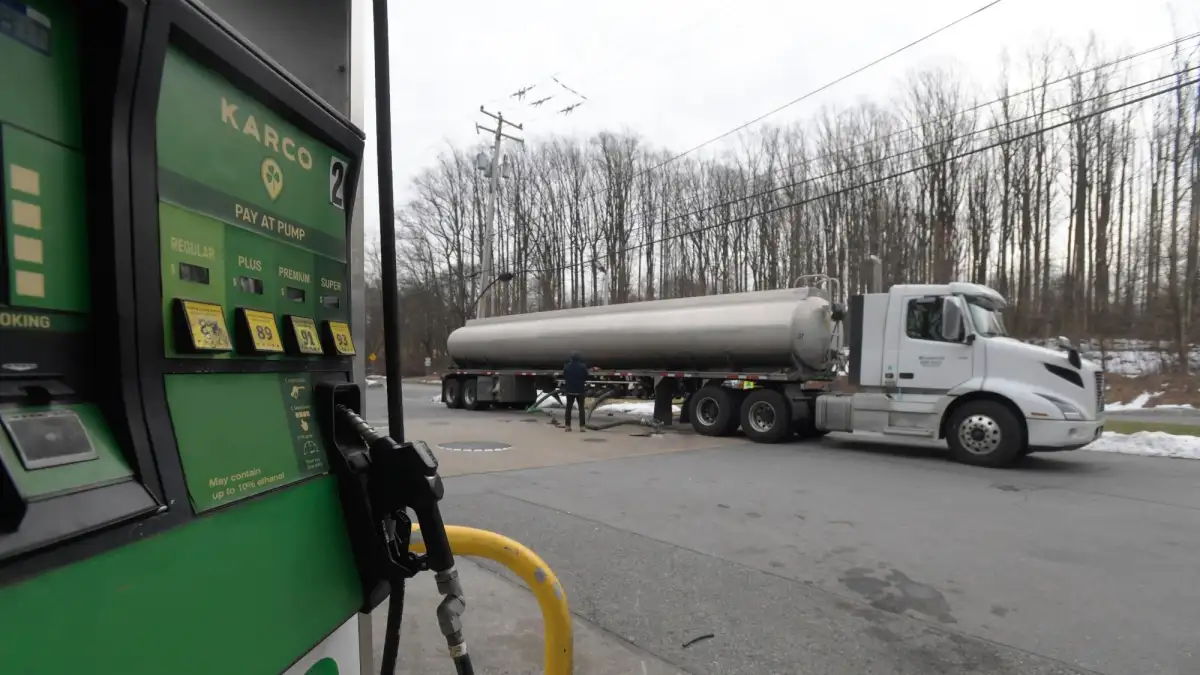
The impact on energy prices has been immediate and sharp. UK gas prices, for instance, saw a dramatic increase from 75p a therm to 114p within a single week. In times of crisis, the global nature of the LNG market means cargoes can be diverted mid-transit to capitalize on higher prices elsewhere, exacerbating supply shortages. The duration of the disruption to Qatari production and the effective closure of the Strait of Hormuz are key variables that will determine the extent of the crisis. Experts warn that a renewed spike in household energy bills is "not unimaginable," potentially creating significant challenges for governments whose energy policies prioritize the reliability and affordability of LNG.
Background
Recent events have brought long-feared "worst-case scenarios" in energy markets to the forefront, as observed by traders. Historically, oil shocks have often been harbingers of economic downturns. The current situation, however, highlights a growing concern over natural gas supply disruptions, with the Strait of Hormuz playing a pivotal role in facilitating LNG shipments to Europe and Asia. The vulnerability of these import-dependent regions to geopolitical events underscores a broader strategic challenge in ensuring consistent and affordable energy access.