Doha, Qatar – The lingering tremors of escalating hostilities between Iran, Israel, and the United States have left thousands of cruise passengers adrift, their holiday itineraries dissolving into uncertainty. Multiple cruise ships, carrying an unconfirmed number of travelers, find themselves stationary in Doha's Mina port, with flights home increasingly elusive. Reports indicate that disrupted travel routes across the Middle East, stemming from the conflict, have effectively grounded a significant number of passengers.
Passengers Left Adrift
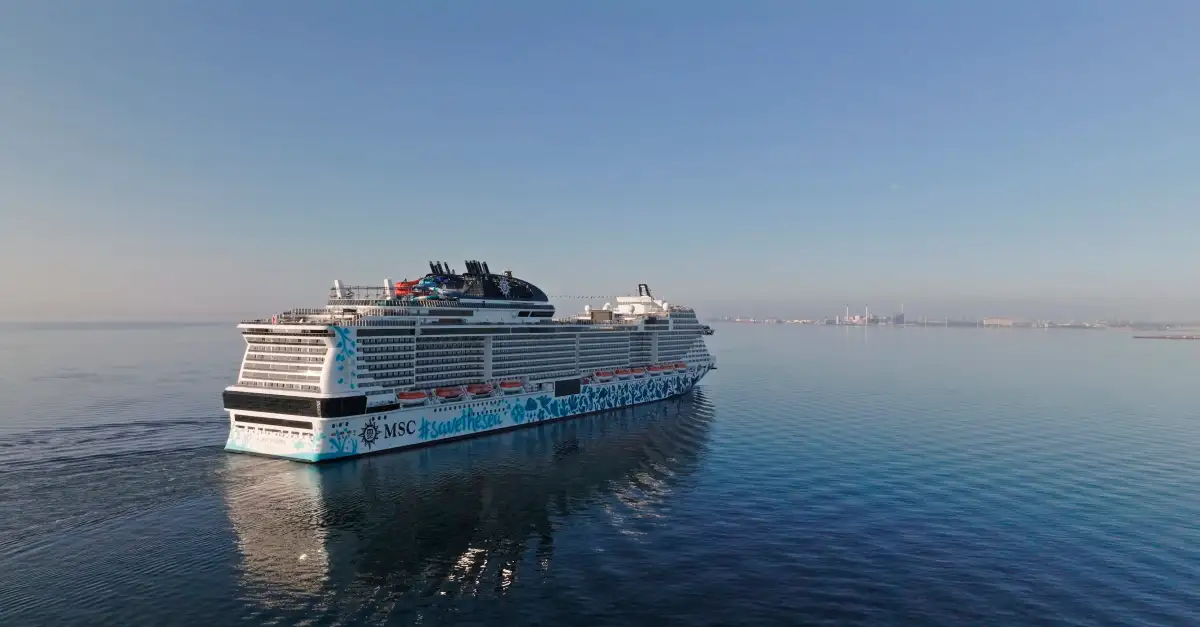
Several cruise lines have confirmed that voyages have been impacted, forcing passengers to remain aboard ships or seek alternative arrangements. The MSC Euribia, for instance, had over 1,500 guests stuck in Dubai. The cruise line has reportedly chartered seven flights and purchased seats on commercial airlines to repatriate these individuals. Other vessels like the Celestyal Journey and Celestyal Discovery have also experienced similar grounding. Passengers whose original bookings were canceled are being offered refunds or future travel credits.
Read More: Margaret River Named World's Best Wine Place
The ripple effect of the regional airspace closures is widespread. Beyond those directly stranded in Doha, travelers with onward connections through hubs like Abu Dhabi and Dubai have also faced disruptions. Estimates suggest a significant number, including potentially 30,000 German tourists, are caught in this unfolding situation, stranded on ships, in hotels, or at closed airports.
Uncertainty Mounts Amidst Conflict
The situation has transformed what were intended to be relaxing holidays into prolonged periods of waiting and contingency planning. Cruise operators are reportedly in discussions with authorities and airlines to establish viable flight paths and secure passage for stranded passengers. The ongoing nature of the conflict and its direct impact on civilian travel routes presents a complex logistical challenge.

The exact number of passengers affected across all cruise lines remains unclear, but the common thread is the disruption of travel plans due to the geopolitical tensions. This situation highlights the precariousness of civilian movement in regions experiencing heightened conflict, where interconnected travel infrastructure can swiftly become inoperable.
Read More: Iran Warns Gulf States After U.S. Naval Clash
Background Context
The current crisis is rooted in escalating tensions between Iran, Israel, and the United States. Airspace closures and flight cancellations across the Middle East are a direct consequence of these geopolitical developments. This has had a cascading effect on the tourism sector, particularly for the cruise industry which often relies on intricate travel arrangements for passenger embarkation and disembarkation. The disruptions serve as a stark reminder of how regional conflicts can quickly impact global travel networks and individual itineraries.