Microsoft's latest entry in the Surface line, the Surface Laptop Ultra, has landed, marking a significant pivot with the integration of Nvidia's new RTX Spark superchip. This move signifies Microsoft's first foray into incorporating a Blackwell RTX GPU within a Surface laptop. The device, unveiled at Computex in Taipei, appears positioned to challenge existing players in the premium creator and developer market, potentially rivaling offerings like the MacBook Pro. Andrew Hill, a Surface product leader at Microsoft, framed this launch as an emphasis on enhanced capability rather than a mere incremental upgrade.
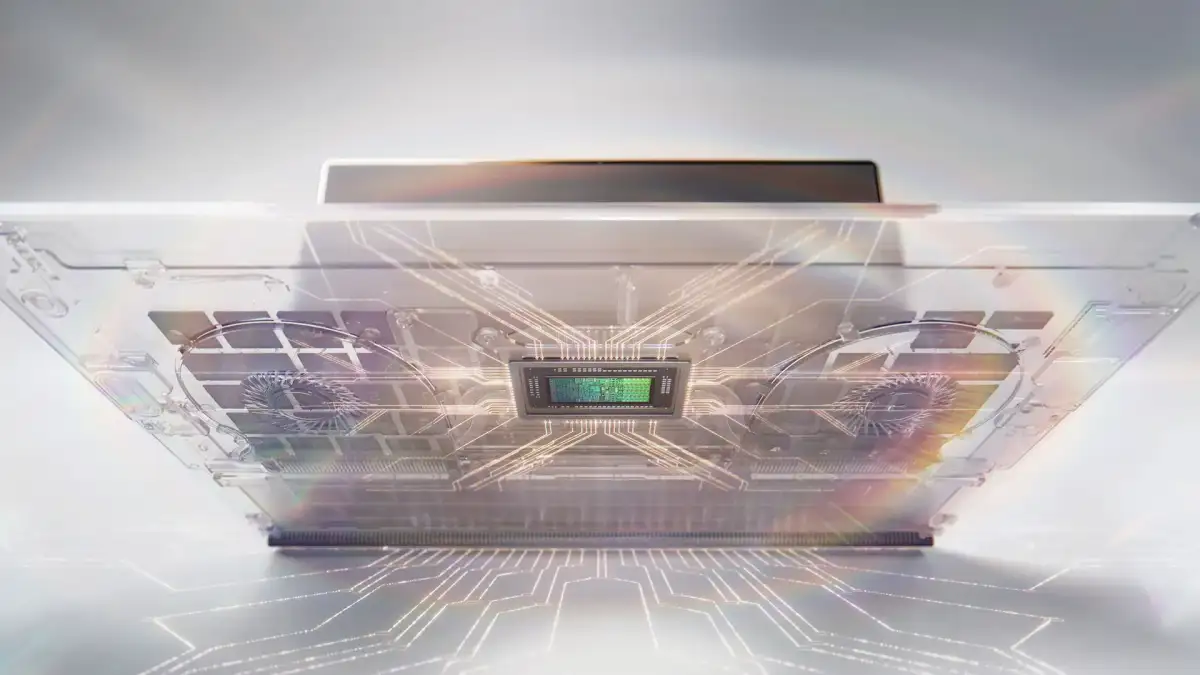
The Surface Laptop Ultra is engineered with a potent combination of hardware. It features Nvidia's RTX Spark superchip, capable of delivering up to 1 petaflop of AI compute and running models with up to 120 billion parameters locally. This is complemented by 128GB of unified memory, dynamically allocatable between the CPU and GPU, and an Arm CPU with 20 cores. The CPU and GPU are interconnected via NVLink C2C. The device also boasts a 15-inch mini-LED PixelSense Ultra display. Microsoft claims "all-day battery life," supported by an optimized internal design with dual fans to manage thermals and sustain performance.
Read More: Chrome mimeHandler API lets extensions handle file types

This collaboration with Nvidia, creating what is informally dubbed "Mivida," positions the Surface Laptop Ultra as one of the initial devices to utilize the RTX Spark Superchip. This integration also brings refinements to Windows on Arm's Prism emulation layer, which allows x86 programs to run, now enhanced by Nvidia's involvement.
The unveiling comes amidst a broader push by Nvidia, which also introduced the RTX Spark for both laptops and desktop PCs at Computex 2026. Nvidia's broader announcement framed this new platform as a means to transform Windows into an "agentic AI OS." While the promise of "agentic AI" is presented, the practical adoption by consumers remains an open question, as its current utility for everyday users is still unproven. This launch also follows a period where Surface devices have largely relied on Qualcomm's Snapdragon X Arm processors.
Read More: Lenovo Legion 7 Laptop With RTX 5070 Gets Tested in April 2026