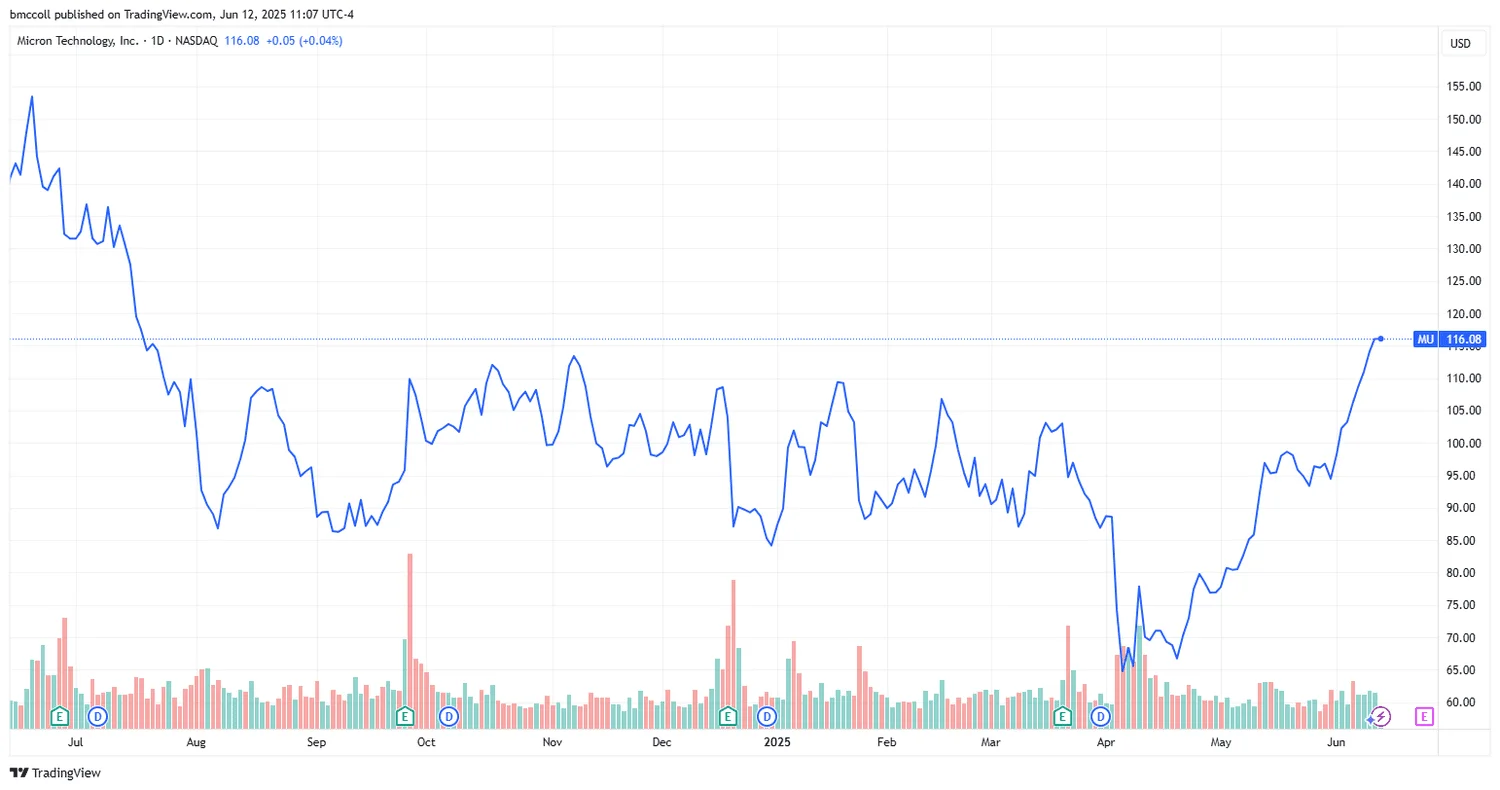
Micron Technology finds itself at a critical juncture, navigating a landscape defined by unprecedented demand for AI-powered memory chips alongside vast investments in future production capacity. The company has signaled a "more than sold out" status for its products, fueling a surge in its stock price and drawing the attention of industry analysts and financial markets. This rapid escalation in demand, particularly for AI infrastructure, has outpaced current supply, creating a fertile ground for favorable pricing dynamics.

The company's ambitious expansion plans, projected to cost upwards of $100 billion and potentially reaching $200 billion in total domestic production investment, are now a central focus. This massive outlay aims to bolster American semiconductor manufacturing and secure a domestic supply chain, a move lauded by political figures as a significant investment in national security and technological leadership.
Read More: Chrome mimeHandler API lets extensions handle file types
Production Push Amidst Legal Hurdles
The sheer scale of Micron's expansion, notably its planned facility in Central New York, is designed to attract a substantial influx of workers and significantly contribute to the region's economy. Governor Hochul has championed the project as a cornerstone of New York's innovation economy, promising lasting opportunities and strengthening domestic chip production. However, this monumental undertaking is not without its challenges.

"Don’t Let Lawsuits Derail Micron’s $100 Billion Project."
The project, touted as the state's largest-ever private investment, is facing legal challenges, raising concerns about potential derailment. This legal friction adds a layer of complexity to the already ambitious rollout of these new manufacturing capabilities.

Market Dynamics and Competitive Landscape
The surge in memory chip demand is intrinsically linked to the accelerating deployment of artificial intelligence. This "AI-driven memory chip supercycle" positions companies like Micron and Samsung as key players in a rapidly evolving market. While Micron has benefited from its ability to meet current demand, the long-term outlook hinges on the successful integration of its expanded production capabilities and its ability to maintain a competitive edge against rivals who are also scaling their operations.
Read More: Taylor Swift and Travis Kelce married at Madison Square Garden July 6
Micron's financial performance, evidenced by its ability to surpass Wall Street estimates and issue strong forward guidance, underscores the immediate impact of the current demand environment. Analysts have responded with price target increases and upgraded ratings, reflecting confidence in the company's near-term prospects.
Background: A Strategic Shift for Domestic Manufacturing
Micron's extensive investments in domestic production are part of a broader trend, spurred by calls from political leadership to boost American manufacturing. The company anticipates eligibility for federal tax credits, further incentivizing these large-scale domestic projects. This strategic pivot aims to reinforce America's technological standing and create substantial employment across the semiconductor ecosystem. The broader implications of this substantial investment extend beyond Micron, potentially reshaping the national semiconductor landscape and fostering economic growth in regions targeted for development.

:max_bytes(150000):strip_icc():focal(799x0:801x2)/nyc-sky-taylor-swift-travis-kelce-wedding-070326-2dc0d912004b400eac2c8c8b5adeff2a.jpg)

:max_bytes(150000):strip_icc()/GettyImages-186597754-5299e3e5f6b34731bde30b83ba436316.jpg)