:max_bytes(150000):strip_icc():focal(745x230:747x232)/beyonce-nicole-kidman-venus-williams-anna-wintour-met-gala-121025-1-d4095d155a7440f2b9b30eeb3aee6bb1.jpg)
The Metropolitan Museum of Art is set to debut 25 custom-molded mannequins for its 2026 exhibit, "Costume Art," signaling a departure from the industry-standard size 2 display form. Curator Andrew Bolton aims to challenge traditional fashion presentation by utilizing figures modeled after diverse physical profiles, including disability activists and models who use assistive devices.
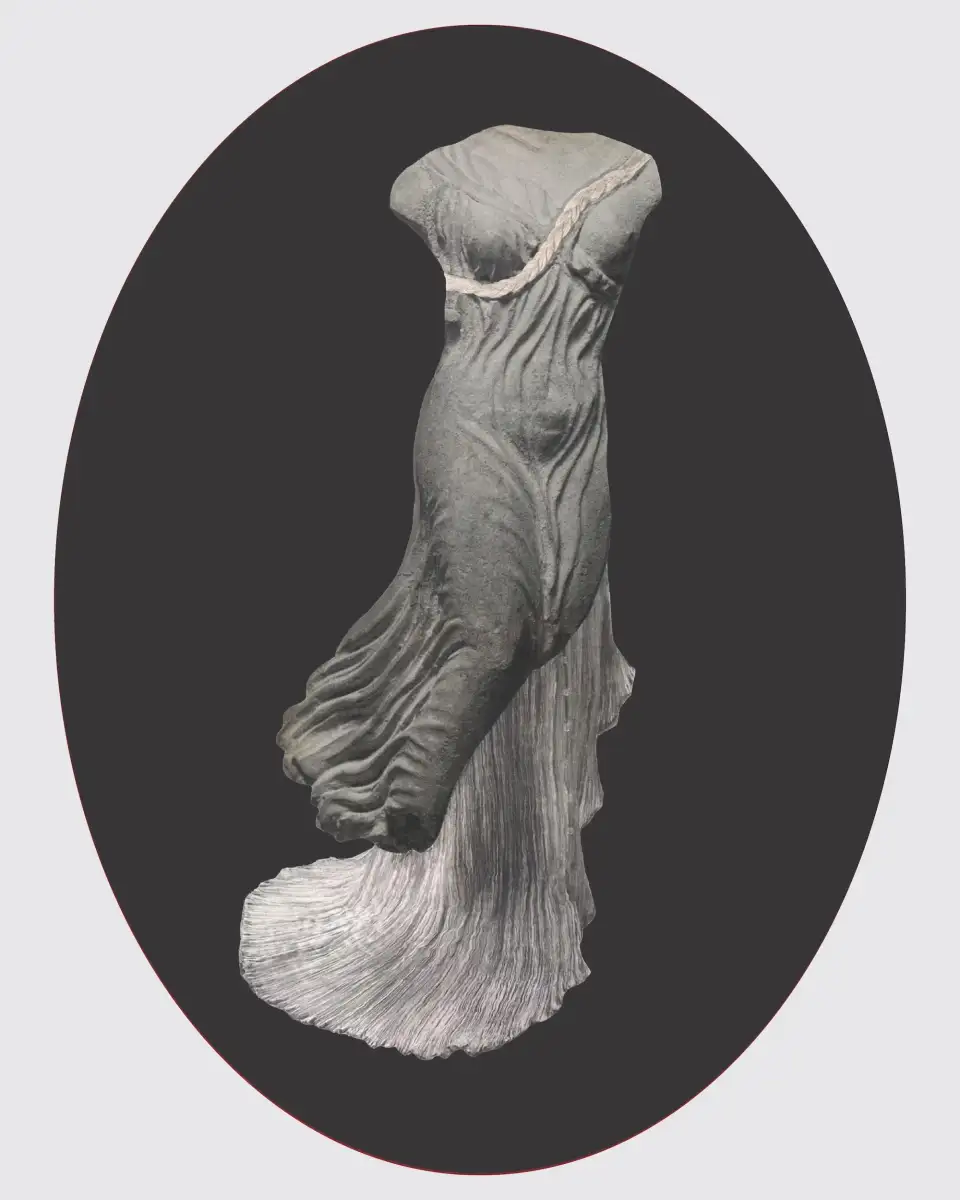
Core development: The exhibit marks the inauguration of a 12,000-square-foot permanent gallery space, moving fashion from a peripheral department to a central position within the museum's artistic narrative.
Structural Breakdown of the Exhibition
| Feature | Details |
|---|---|
| New Infrastructure | 12,000 sq. ft. dedicated gallery adjacent to the Great Hall |
| Mannequin Innovation | 25 figures representing diverse body types (aging, pregnant, corpulent, etc.) |
| Content Scope | 200 garments paired with 200 historical artworks |
| Primary Funding | Met Gala proceeds, supported by Saint Laurent, Condé Nast, and Jeff Bezos & Lauren Sánchez Bezos |
The Integration of Form
The exhibit frames fashion not as a decorative craft distinct from "high art," but as an embodied discipline defined by its relationship to the human figure. Bolton intends to juxtapose garments with pieces from the museum’s 5,000-year collection—ranging from Renaissance painting to classical sculpture—to bridge the gap between historical art hierarchies.
Read More: Billy West Memoir Reveals How He Created Fry's Voice
Representational shifts: By including figures like disability activist Sinéad Burke, athlete Aimee Mullins, and model Aariana Rose Philip, the institute seeks to move away from the "hidden" or standardized mannequin trope common in retail and museum curation.
Thematic Chapters: The exhibition layout includes distinct sections dedicated to the Naked, Abstract, Aging, and Pregnant body, positioning these variations as central to the evolution of fashion.
Institutional Status: For the first time, the Costume Institute will operate within a permanent space that removes its reliance on temporary staging, establishing a consistent platform for fashion within the broader art historical discourse.
Contextual Background
The Met Gala, serving as the sole fundraiser for the department’s maintenance and acquisitions, has historically prioritized aesthetic visual appeal. The 2026 "Costume Art" theme represents a shift toward a more reflective, critical engagement with the physical reality of the wearer. While fashion has long existed in a contested space—often viewed by the traditional art establishment as subordinate to fine arts—this exhibition leans into that tension. The use of custom mannequins serves as a tangible assertion that the "dressed body" is an essential component of art history, effectively forcing a dialogue between the museum's classical holdings and contemporary sartorial practices.
' Costume Art ' ' Body Positivity ' ' Andrew Bolton '

:max_bytes(150000):strip_icc():focal(799x0:801x2)/nyc-sky-taylor-swift-travis-kelce-wedding-070326-2dc0d912004b400eac2c8c8b5adeff2a.jpg)

:max_bytes(150000):strip_icc()/GettyImages-186597754-5299e3e5f6b34731bde30b83ba436316.jpg)