


Formula 1 is facing pre-season turbulence as a dispute over Mercedes' engine and fuel legality escalates. Rival manufacturers have pushed the sport's governing body, the FIA, to consider rule changes mid-season, leading to an upcoming vote that Mercedes boss Toto Wolff has strongly refuted as "total bulls*." The situation centers on allegations that Mercedes has exploited a loophole in the regulations regarding engine compression ratios, a claim Wolff dismisses as rivals seeking excuses. The controversy highlights a growing tension between Mercedes and other engine suppliers as the new season approaches.

Context of the Engine Row
The current dispute revolves around the compression ratios of Formula 1 engines, a key component affecting performance. Under the new regulations for the 2026 season, the allowable compression ratio was reduced from 18:1 to 16:1.

The Allegation: It is understood that Mercedes found a method to remain compliant with the mandated test while operating at a higher compression ratio on the track. This is believed to be related to the thermal expansion of engine components when the engine reaches its operating temperature.
Rival Manufacturers' Action: Four rival manufacturers – Ferrari, Red Bull/Ford, Honda, and Audi – have actively lobbied the FIA for a rule adjustment. They claim Mercedes has exploited a "grey area" in the current regulations to gain a performance advantage.
FIA's Response: The FIA confirmed that a vote will take place among the seven members of the Power Unit Advisory Committee (PUAC), which includes the five power unit manufacturers, the FIA, and Formula 1 Management.
The Proposed Change: The vote concerns the introduction of an additional test for compression ratios. This new test would apply from August 1st and would measure compression ratios when the engine is at an operating temperature of 130ºC.
Timing of the Vote: The vote is scheduled to occur before the season-opening Australian Grand Prix on March 8th.
Fuel Concerns: Alongside the compression ratio issue, there have been reports suggesting that the sustainable fuel supplied by Petronas for Mercedes-powered teams has not yet obtained necessary certification and homologation. Wolff has also labeled these claims as "nonsense."
Toto Wolff's Defense
Mercedes team principal Toto Wolff has vehemently denied the accusations, characterizing the entire situation as a "storm in a teacup" and "utter bulls*."
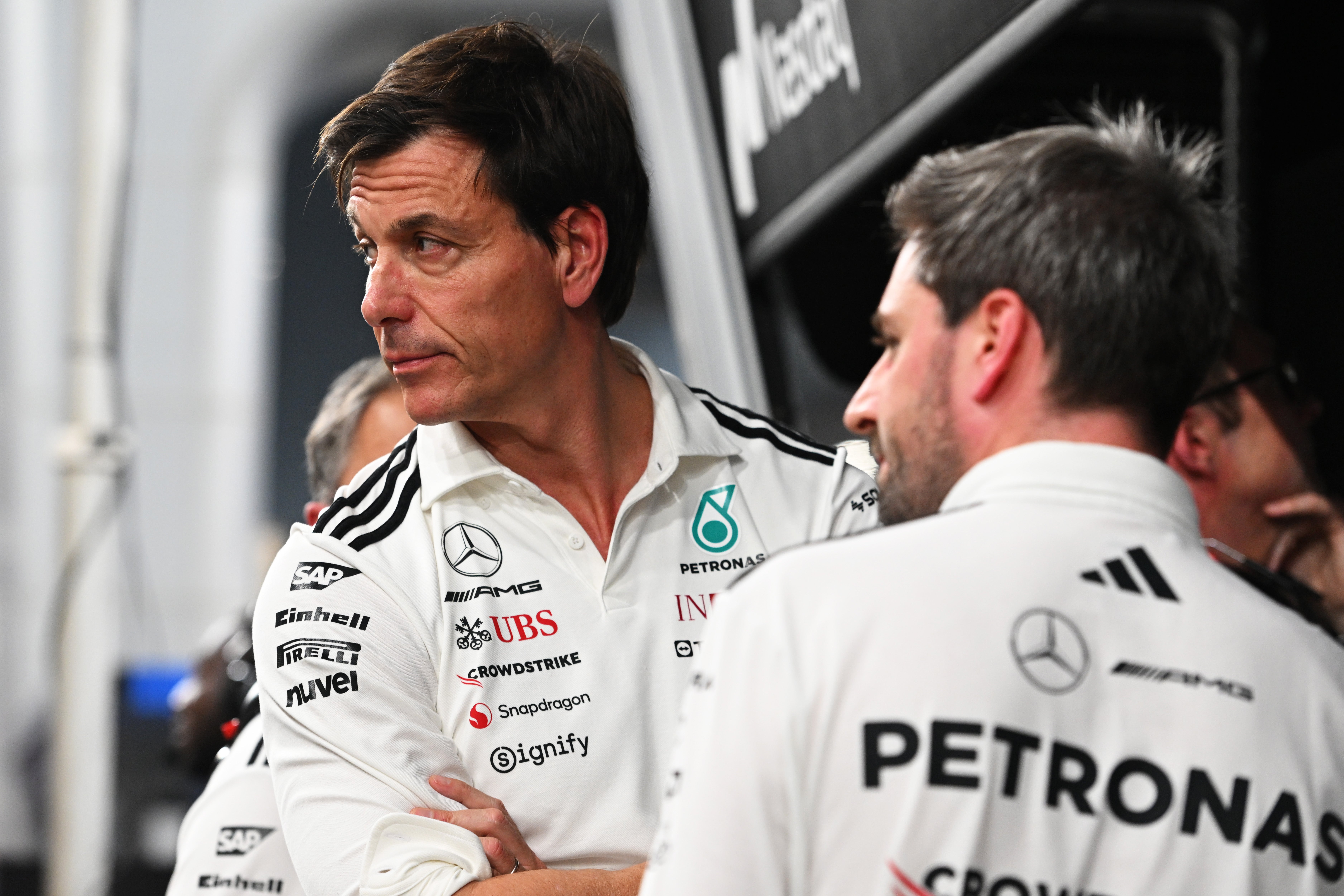
Dismissal of Loophole Claims: Wolff has accused rival manufacturers of "ganging up" against Mercedes to pressure the FIA into changing the rules. He argues that Mercedes has not acted improperly and that the claims of a loophole are unfounded.
Fuel Legality: Wolff has been equally dismissive of reports concerning the legality of the team's fuel. He stated that the fuel has "passed all the tests" and that Mercedes is "not worried about it."
Philosophical Opposition to Mid-Season Changes: While strongly defending his team's current practices, Wolff has expressed that he is "philosophically opposed" to mid-season rule changes. He indicated that if the vote proceeds, Mercedes is prepared to accept the outcome, stating, "Either we stay with the regulations like we are or the vote goes ahead."
Lack of Advantage: Wolff suggested that even if the proposed rule change is implemented, rival manufacturers would gain no significant advantage, implying their focus on this issue might be misdirected.
Rival Manufacturers' Position
The push for a rule change by Ferrari, Red Bull/Ford, Honda, and Audi suggests a collective concern over Mercedes' apparent performance advantage derived from their engine's compression ratio strategy.
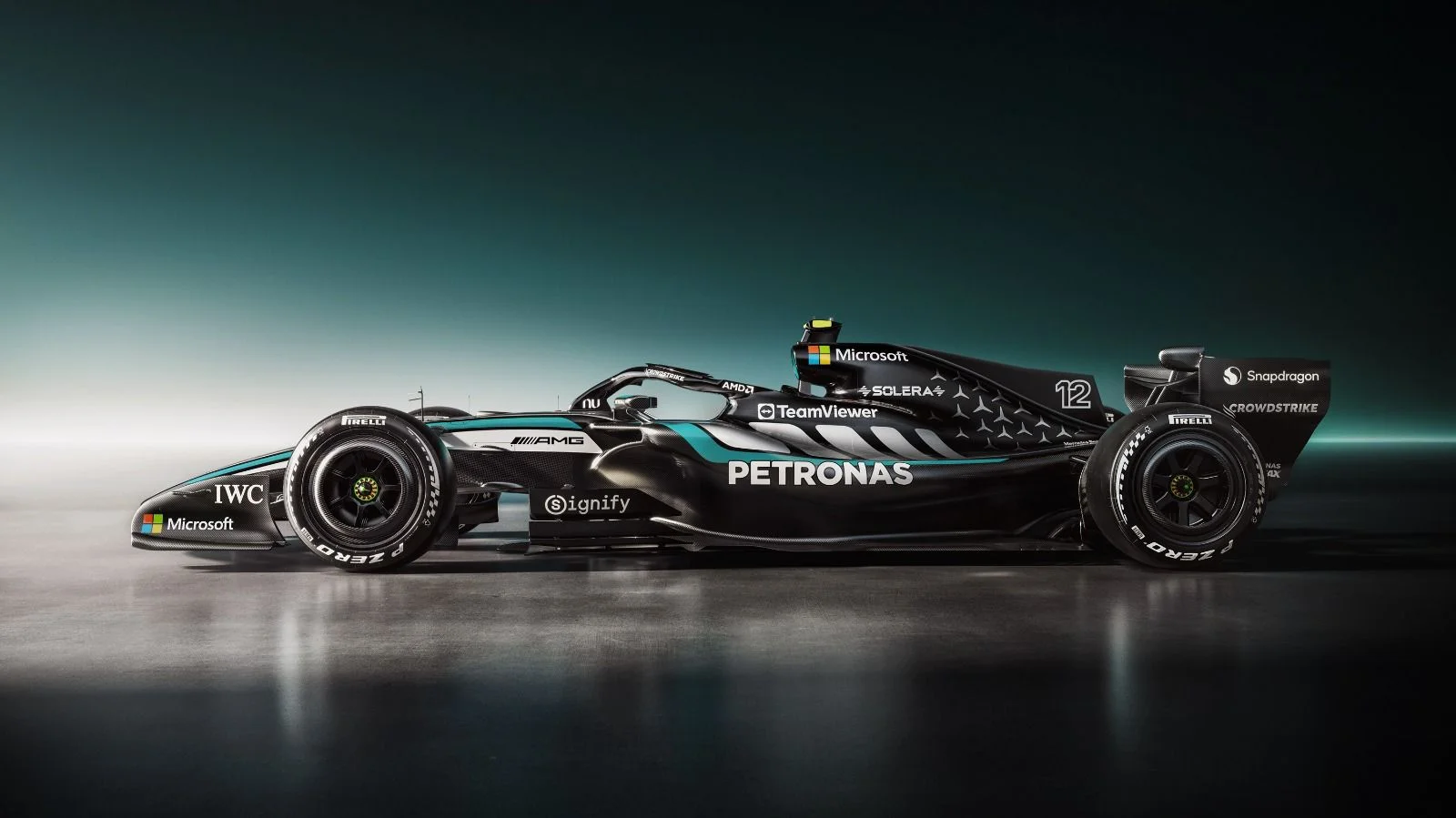
Exploiting Regulations: Rivals believe Mercedes has exploited a "grey area" in the existing regulations concerning compression ratios and thermal expansion.
Seeking Level Playing Field: The demand for an additional test at operating temperature indicates a desire to ensure a level playing field, preventing any team from gaining an unfair advantage through innovative interpretation of the rules.
Uncertainty over Fuel: The reports regarding Petronas' fuel certification add another layer of scrutiny, potentially raising questions about the overall compliance of the Mercedes power unit package.
FIA's Role and the Voting Process
The FIA is acting as the facilitator of the dispute, managing the process for a potential rule adjustment.
Confirmation of E-Vote: The FIA confirmed an electronic vote (e-vote) would be held to decide on the proposed compression ratio measurement methodology.
Voting Members: The vote involves the five power unit manufacturers, the FIA, and Formula 1 Management.
Decision Threshold: For the rule change to be passed, it requires the approval of all four other engine manufacturers, the FIA, and Formula 1.
Expert Analysis
Mark Gallagher, a former F1 team management figure, commented on the situation, stating: "The regulations are designed to be clear, but sometimes teams find clever ways to interpret them. When this happens, the FIA's role is to ensure fair competition, and that can sometimes mean clarifying or adjusting rules if a significant advantage is found. The timing of this vote, so close to the season, is certainly unusual and suggests a strong push from the rivals."
Conclusion
The controversy surrounding Mercedes' F1 engine and fuel ahead of the 2026 season highlights a significant point of contention among the sport's manufacturers. While Toto Wolff has vehemently defended Mercedes' practices and dismissed allegations as "bulls" and "nonsense," the collective action by Ferrari, Red Bull/Ford, Honda, and Audi* to push for an FIA vote on mid-season rule adjustments underscores their concerns about potential unfair advantages.
The upcoming vote on an additional compression ratio test, specifically at operating temperature, is designed to close what rivals perceive as a loophole exploited by Mercedes. Reports of pending certification for Petronas' sustainable fuel add further complexity. The FIA's decision-making process, requiring consensus among manufacturers, FIA, and F1 Management, will determine the final outcome. Regardless of the vote's result, the situation has created a cloud of controversy over the start of the F1 season, with implications for the competitive balance of the sport.
Sources:
The New York Times: https://www.nytimes.com/athletic/7057394/2026/02/19/toto-wolff-mercedes-engine-f1-denial/ (Summary available)
ESPN: https://www.espn.in/f1/story//id/47975513/mercedes-boss-toto-wolff-hits-bulls-f1-engine-fuel-talk (Summary available)
ABC News: https://www.abc.net.au/news/2026-02-20/mercedes-f1-boss-toto-wolff-calls-rivals-over-engine-saga/106368722 (Summary available)
Planet F1: https://www.planetf1.com/news/toto-wolff-philosophically-disagrees-with-fia-evote-compression-ratio-proposal (Summary available)
Sky Sports: https://www.skysports.com/f1/news/12040/13509489/mercedes-boss-toto-wolff-says-he-is-philosophically-opposed-to-fias-proposed-mid-season-rule-change-for-f1-engines (Summary available)
The Guardian: https://www.theguardian.com/sport/2026/feb/19/toto-wolff-mercedes-fuel-problem-formula-one (Summary available)
Crash.net: https://www.crash.net/f1/news/1089832/1/toto-wolff-rages-mercedes-f1-fuel-issue-rumours-foul-mouthed-press-conference (Summary available)
Destination Formula 1: https://destinationformula1.com/news/toto-wolff-fires-back-at-utter-bullst-mercedes-compression-ratio-theories/ (Summary available)