


Pharmacies across the nation are reporting difficulties filling prescriptions for transdermal estrogen patches, a common treatment for menopause symptoms. Patients and prescribers describe a “mad scramble” to find the necessary medication, with some women experiencing significant delays and increased symptom severity as a result. This surge in demand appears linked to the removal of a "black-box warning" previously associated with hormone therapy, leading more women to seek treatment and more clinicians to feel comfortable prescribing it.

The disruption in access affects women like Jennifer Skoog Mondesir, who faced a "frustrating wall" last summer when attempting to pick up her estrogen patch. Her experience mirrors that of others who, after finding relief from symptoms such as fatigue through hormone therapy, are now struggling with stock-outs. The situation marks a stark contrast to the early 2000s, when hormone therapy use saw a considerable decline.
Read More: Overbite and Underbite Problems Affecting Eating and Speaking in 2024

Roots of the Shortage
Several factors seem to contribute to the current supply chain issues. The increased interest in hormone therapy, following the updated guidance on its use, has put a strain on existing manufacturing and distribution networks. While some generic manufacturers produce their own active pharmaceutical ingredients (API), these are often the first to be affected during API shortages or when contract issues arise. Geopolitical events can also play a role in disrupting the supply of these essential components.
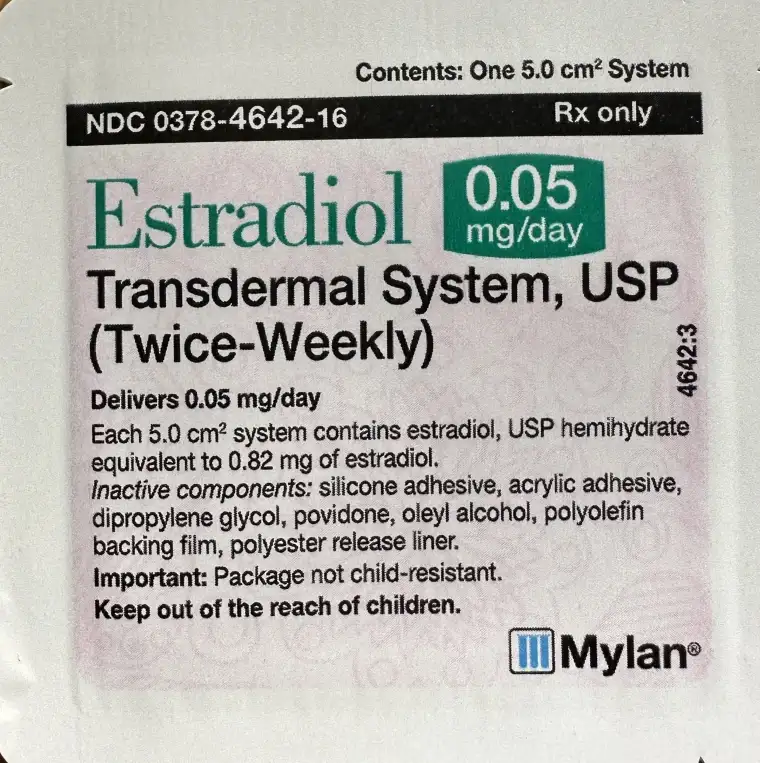
Patient Impact and Shifting Perspectives
The inability to obtain hormone replacement therapy, particularly estradiol patches that replenish the body's estrogen, is causing distress for many. Jessica Halem, who began hormone replacement therapy upon entering perimenopause, expresses regret for the years spent not utilizing the treatment. Reports indicate that some women experience a worsening of symptoms when switched between different patch frequencies, for example, from twice-weekly to weekly applications.
Read More: Democratic Voters Want Centrist Policies, New Poll Shows
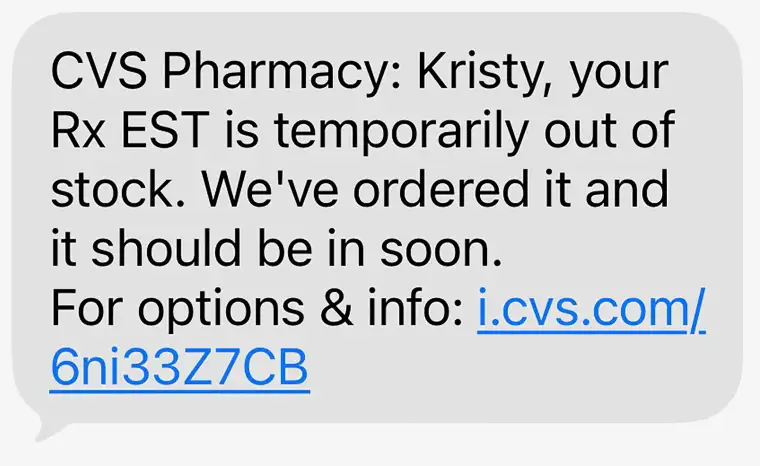
The growing accessibility and acceptance of hormone therapy represent a significant shift from past decades. The renewed confidence among both patients and medical professionals in prescribing these therapies has fueled demand, creating a complex interplay with the current production and distribution landscape.