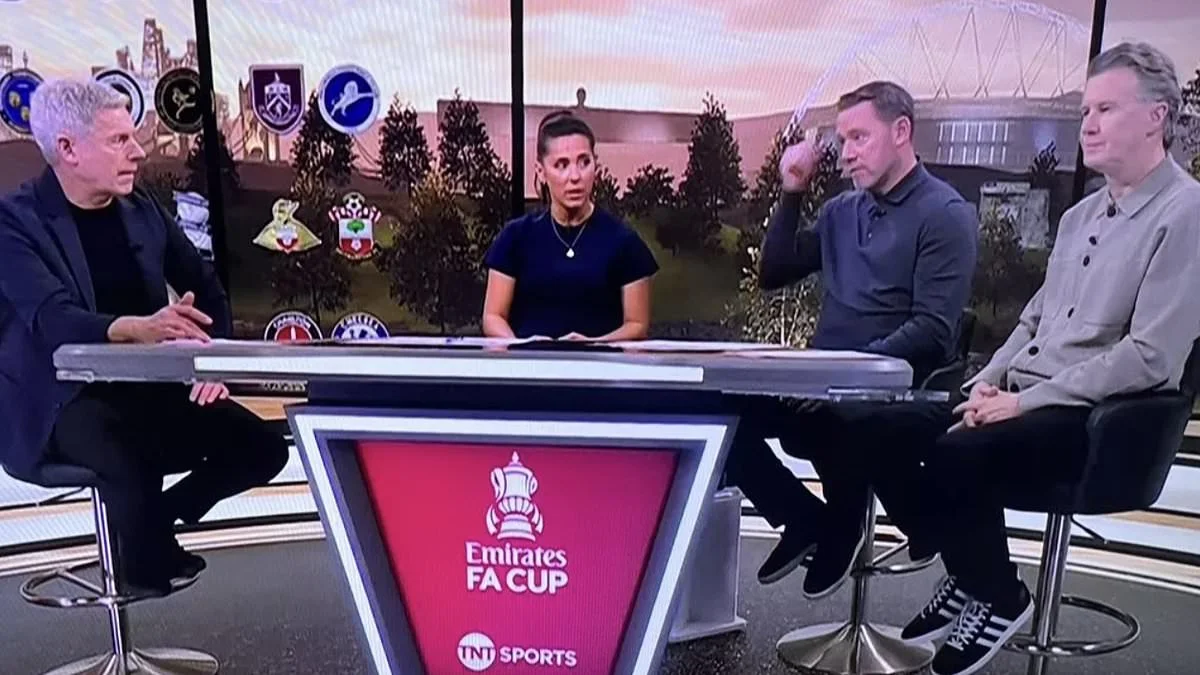
A recent series of public comments by former England international Eni Aluko has ignited a vigorous debate concerning the presence and impact of male pundits in women's football. Aluko's remarks, particularly those directed at Ian Wright, have led to widespread discussion and divided opinions within the sports media landscape. At the core of the argument are questions about representation, opportunity, and the best way to grow the women's game.
Background to the Discussion
The controversy gained traction following Eni Aluko's appearances and statements regarding punditry roles in women's football.
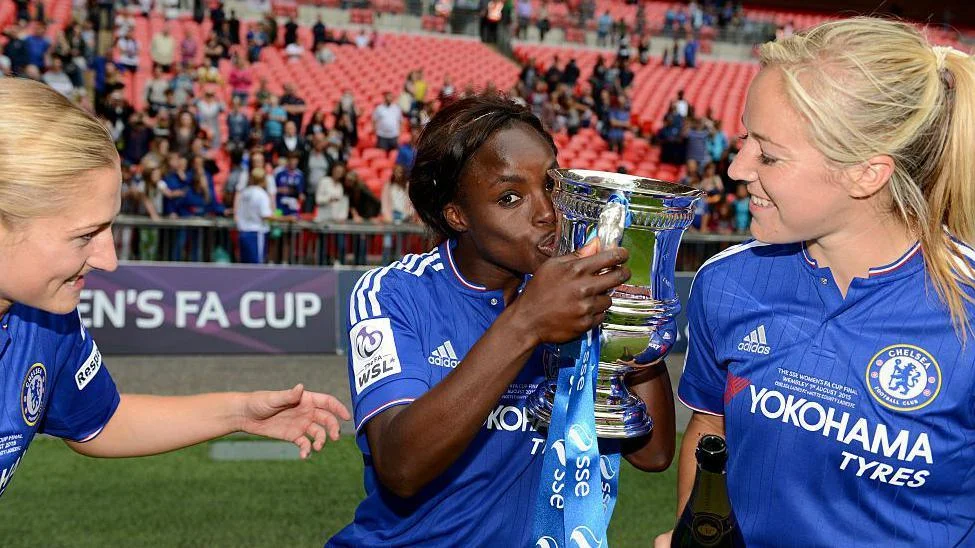
Aluko's Initial Stance: In a podcast appearance and subsequent interviews, Aluko expressed a desire for women to be the "dominant force" in women's football punditry, drawing a parallel to how men are the dominant force in men's football coverage. She suggested that male pundits like Ian Wright, despite their contributions, might be taking opportunities away from women seeking pathways into broadcasting.
Ian Wright's Position: Ian Wright, a prominent former player and respected pundit, has been a vocal advocate for women's football for decades. His involvement in both men's and women's football coverage has been a long-standing aspect of his media career.
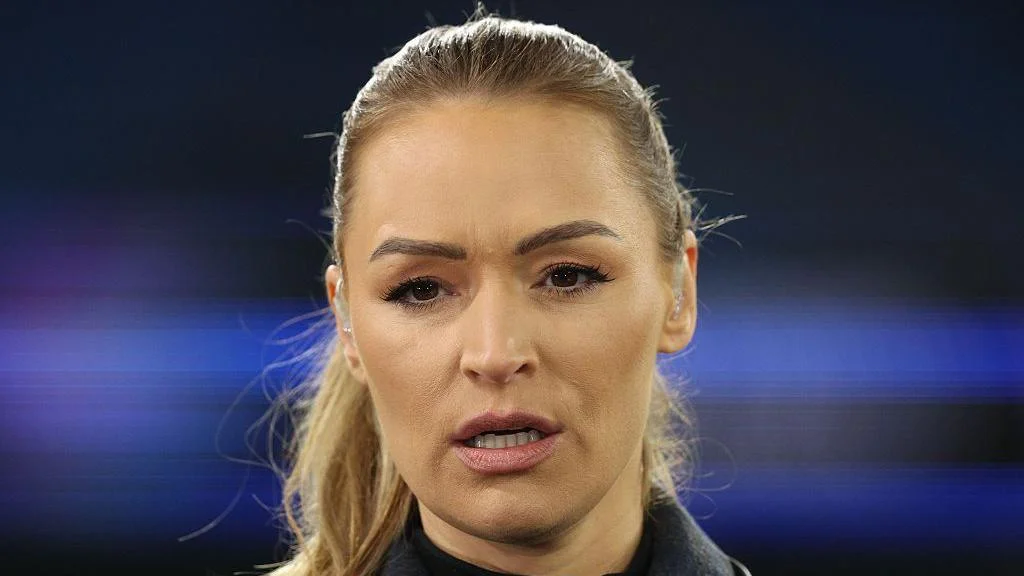
Laura Woods's Involvement: Broadcaster Laura Woods became involved in the discourse, engaging with Aluko's views. Woods reportedly advised Aluko that while she is a "brilliant broadcaster," male figures in women's football punditry should be "aware" of their presence. Woods also emphasized that professional playing experience does not automatically grant punditry roles, highlighting the importance of communication skills and research.
Public Reaction: Social media and media commentary show a range of responses. Some observers have been critical of Aluko's approach, with some labeling it as "gatekeeping" and others finding it to be a distraction from a potentially more productive conversation about the sport's growth. Others have defended Aluko's perspective, suggesting she is raising valid points about the limited opportunities for women in the field.
Key Elements of the Debate
The discussion revolves around several central themes, reflecting different perspectives on the future of women's football media coverage.
Read More: Olympic Games Have Many Controversies and Scandals
Representation and Opportunity
Aluko's Argument for Female Dominance: Aluko has articulated a view that women's football coverage should primarily feature women, mirroring the established structure of men's football. This perspective is underpinned by a desire to create and protect career paths for female broadcasters and analysts.
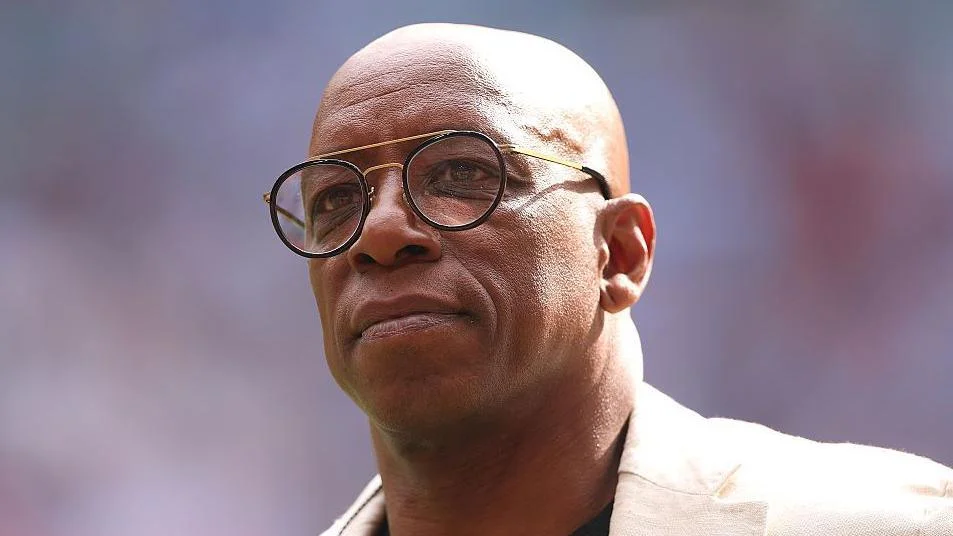
Evidence cited: Aluko's statements suggesting that men like Ian Wright and Nedum Onuoha occupied significant pundit roles in women's football coverage, such as on main panels for major events, even when women with relevant experience were available.
Insight: The underlying concern appears to be about equitable access to high-profile broadcasting opportunities within the women's game.
Counterarguments on Gatekeeping: Critics, including Laura Woods, have pushed back against Aluko's stance, arguing that it risks "gatekeeping" the sport. This viewpoint suggests that restricting male involvement could be detrimental to the inclusive growth of women's football and its audience.
Evidence cited: Laura Woods has stated that "caps don't win automatic work," implying that merit, communication skills, and research are paramount in punditry, irrespective of gender or playing history.
Insight: This highlights a belief that talent and expertise, not just gender or past playing status, should determine who analyzes the game.
The Role of Male Allies
The contribution and presence of male figures in women's football media are a significant point of contention.
Read More: Thomas Partey Denies Rape and Sexual Assault Charges

Wright's Advocacy: Ian Wright has been widely acknowledged for his long-standing and passionate support for women's football, credited with helping to attract new audiences, including men and boys, to the sport.
Perspective: Aluko, while apologizing to Wright for any personal offense, initially suggested that his extensive involvement might inadvertently limit opportunities for women. However, sources indicate she later defended him, acknowledging his role in bringing new audiences.
Signal: This illustrates the complexity of the debate, where even celebrated male allies can become points of discussion regarding their role in specific contexts.
Balancing Support and Space: The core of the issue for some is finding a balance where male allies continue to support the game without dominating the narrative or occupying essential spaces for emerging female talent.
Inquiry: Does the visible passion and advocacy of male figures like Ian Wright necessarily preclude women from securing prime pundit roles, or can these exist concurrently?
Standards and Pathways in Broadcasting
The debate also touches upon the perceived standards and established pathways for individuals entering sports broadcasting.
Read More: Finnish Ski Jumping Coach Sent Home From Olympics For Alcohol Issue
Professional Playing Experience: There is an ongoing discussion about the weight given to professional playing careers versus other qualifications, such as broadcasting experience and analytical skills, when selecting pundits.
Aluko's Perspective: Aluko's comments suggest a concern that women may be judged more harshly or face higher barriers to entry, possibly requiring a professional playing background to gain credibility.
Woods's Counterpoint: Laura Woods has stressed that broadcasting prowess is a distinct skill set, not automatically conferred by a playing career, emphasizing the need for research and communication abilities.
Context: This relates to the broader industry trend of former athletes transitioning into media roles.
Industry Scrutiny and Growth: Eni Aluko has also spoken about the increased scrutiny that comes with the sport's growing popularity, suggesting that media figures must be mindful of avoiding past mistakes made in men's football.
Observation: As women's football gains prominence and commercial interest, the media's role in shaping its narrative becomes more critical.
Expert and Public Commentary
Commentary on the situation has been varied, reflecting the nuanced nature of the discussion.
Read More: Pochettino Might Come Back to Tottenham, But Will Fans Wait?
Criticism of Aluko's Approach: Some commentators, like Simon Jordan, have been critical of Aluko's method of expressing her views, suggesting it has detracted from the substantive issues. Public reaction on social media has also leaned towards criticism for Aluko's stance, according to some reports.
Defenses of Aluko's Intentions: Conversely, segments of the public and some media figures have defended Aluko's perspective, viewing her as someone raising important points about the development and representation within women's football media.
Industry Figures' Views: Former players in the football media sphere have acknowledged the pressures women face, generally advocating for collaboration over conflict and emphasizing the shared goal of promoting the sport.
Conclusion
The discourse initiated by Eni Aluko has undeniably amplified conversations about representation, opportunity, and the evolving media landscape of women's football. While her specific remarks regarding Ian Wright and the presence of male pundits have drawn significant criticism and led to apologies, the underlying questions she raises about pathways for women in broadcasting and the ideal composition of punditry teams remain pertinent. The debate underscores the complex challenges of navigating the growth of a sport where diverse voices and perspectives are crucial for its continued expansion and acceptance. The ongoing discussion suggests that finding an equitable and effective model for women's football coverage will remain a central theme as the sport's profile continues to rise.
Sources Used
BBC Sport: "Eni Aluko: Women's football punditry debate explained after Ian Wright row"
Published: 18 hours ago
Context: Provides an overview of Aluko's statements and the reactions from figures like Laura Woods.
Link: https://www.bbc.com/sport/football/articles/c23zkemn5xmo
The Global Herald: "Aluko's remarks spark fresh debate over men’s role in women’s football punditry"
Published: 18 hours ago
Context: Focuses on Aluko's core arguments about female dominance and her subsequent apology.
Solent Sports News: "Eni Aluko’s talkSPORT rant sparks debate"
Published: 18 hours ago
Context: Highlights Aluko's broader media appearance and her comments on media scrutiny and governance in women's football.
Link: https://solentsportsnews.com/eni-alukos-talksport-rant-sparks-debate/
Pulse Sports Kenya: "Eni Aluko-Ian Wright Fallout: Just a Bitter Pundit or Does She Have a Point?"
Published: 18 hours ago
Context: Examines the controversy, including Simon Jordan's critique and public reactions.
talkSPORT: "Eni Aluko releases statement in response to Laura Woods amid backlash over punditry rant"
Published: 1 day ago
Context: Details Aluko's statement responding to Laura Woods and mentions criticisms of hypocrisy.
Link: https://talksport.com/football/3971840/eni-aluko-statement-laura-woods-ian-wright-debate/
The English Chronicle (via AOL): "Laura Woods Hits Back at Eni Aluko in Row About Women’s Punditry"
Context: Reports on Laura Woods's reaction and the broader industry discussion on collaboration versus conflict.
SheKicks: "Eni Aluko Responds to Laura Woods in Ongoing Row Over Male Pundits in Women’s Football"
Published: 18 hours ago
Context: Clarifies Aluko's stance and includes Simon Jordan's commentary, as well as Laura Woods's arguments about punditry skills.
Link: https://shekicks.net/eni-aluko-laura-woods-ian-wright-punditry-debate/
Goal.com US (via AOL): "'Caps don't win automatic work' - Laura Woods takes aim at Eni Aluko after ex-Lioness' latest dig at Ian Wright over women's football punditry"
Context: Highlights Laura Woods's strong reaction to Aluko's comments, specifically referencing her past experiences in women's football broadcasting.
Read More: Ukrainian Skeleton Racer Removed from Olympics for Helmet Tribute