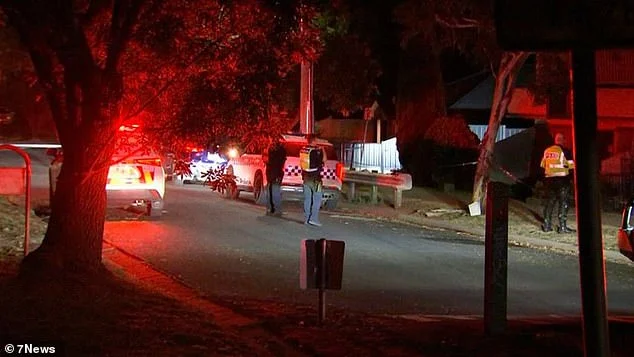
The recent horrific act of a man being set alight in Bacchus Marsh, Melbourne, is a stark, terrifying escalation of violence. It’s not an isolated incident; a pattern of extreme brutality, often involving arson and severe burns, is emerging across the globe. As a free-thinker and investigative journalist, I’m compelled to ask: why is this happening, who is behind it, and what are we, as a society, doing to stop it? The chilling details of this latest assault, where a 57-year-old man was found with extensive burns, airlifted to hospital, paint a grim picture. Police are investigating, but the question remains: are we just reacting to these atrocities, or are we actively seeking to understand and prevent them before they become commonplace?
The Fires That Burn: A Disturbing Trend of Arson-Related Assaults
The incident in Bacchus Marsh isn't a standalone event. A quick scan of recent news reveals a disturbing pattern of individuals being deliberately set on fire or sustaining life-threatening injuries in fiery incidents.
Read More: ICE Agents Arrested After Claims of Bad Behavior and Crime
Recent Events Echoing the Bacchus Marsh Horror:
March 2023 (Victoria, Australia): A 63-year-old man arrested after another man was allegedly set on fire during an assault. The victim, airlifted with life-threatening burns, later died in hospital. This case highlights the fatal consequences of such attacks. (Source: 9news.com.au)
October 2025 (Sydney, Australia): A teenager was "doused in petrol and set alight," suffering severe third-degree burns to 32% of his body. Good Samaritans extinguished the flames before he was airlifted to hospital and placed in an induced coma. (Source: Irish Mirror, Daily Star)
July 2025 (United States): An American councillor was doused in petrol and set on fire in front of colleagues. The attacker, reportedly carrying a five-gallon container of petrol, ignited the victim. (Source: Mirror.co.uk, IBTimes.co.uk)
These incidents, spread across different continents and involving different victims, share a common thread: extreme, deliberate violence resulting in severe burns and often requiring emergency airlifts. The modus operandi – dousing with accelerants and ignition – is a terrifyingly direct and brutal method.
Who Are the Targets? A Look at the Victims
The victims in these accounts range in age and background, suggesting that no one is immune.
Read More: Kim Jong Un's Daughter May Be Next Leader of North Korea
Victim Demographics:
A 57-year-old man (Bacchus Marsh, recent)
A 63-year-old man (Victoria, 2023)
A teenager (Sydney, Oct 2025)
An American councillor (US, July 2025)
Another unnamed teen (Sydney, Oct 2025)
The common factor isn't their demographic, but the sheer barbarity of the attacks they've endured. Is there a common thread in the perpetrators, or are these acts the result of isolated rage, organized crime, or something else entirely? The lack of immediate, clear motives in many of these reports is deeply concerning.
Beyond Arson: The Alarming Frequency of "Airlifted After Assault" Incidents
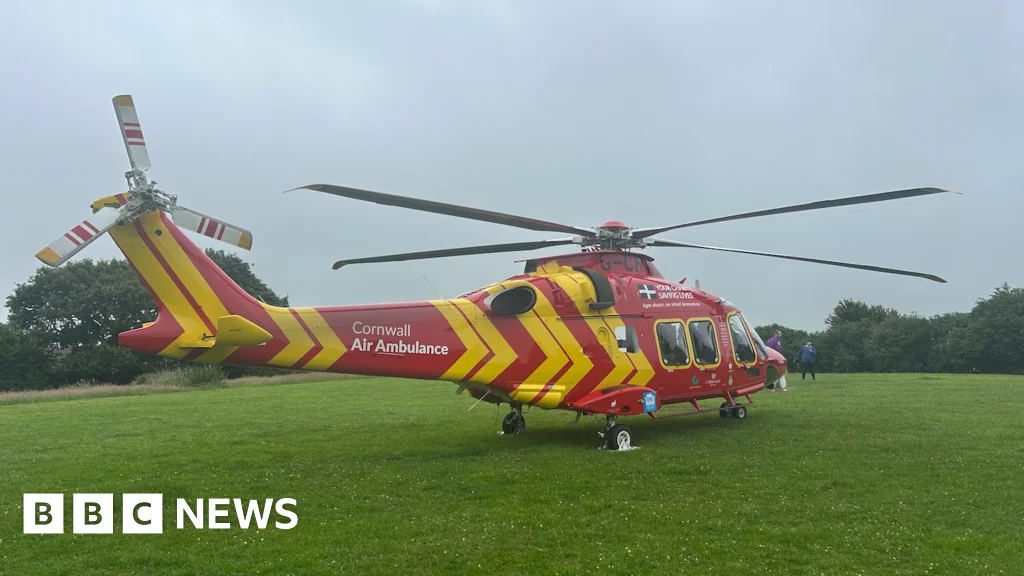
While the headline-grabbing cases involve fire, a broader pattern of severe assaults requiring air medical transport is also evident. This suggests a general rise in violent encounters where victims sustain injuries so critical they necessitate immediate, high-speed medical evacuation.
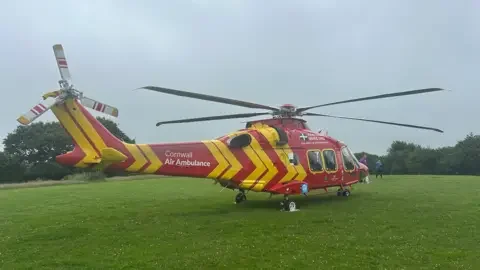
Other Severe Assaults Requiring Air Evacuation:
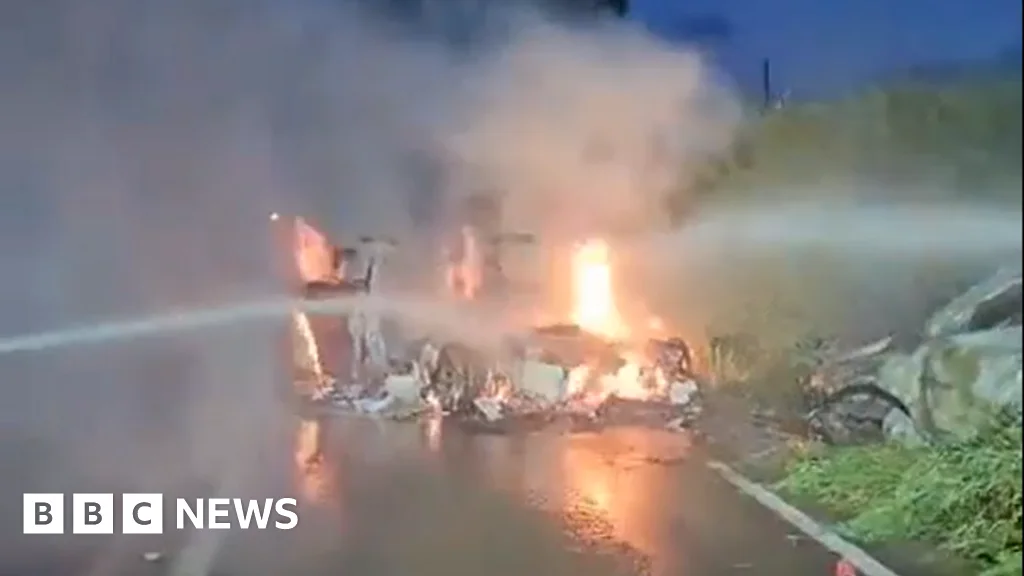
June 2024 (Oswestry, UK): Three people taken to hospital after a fiery two-car crash. One man treated for serious injuries before being airlifted. While this involves a crash, the fiery element and critical injuries are noted. (Source: BBC News)
June 2025 (Liskeard, UK): Man airlifted to hospital after an alleged assault in town centre. Extent of injuries not initially known. (Source: BBC News)
August 2025 (Herne Bay, UK): Two arrests after a man was allegedly seriously assaulted and airlifted to a London hospital. A large emergency response was triggered. (Source: KentOnline)
December 2025 (Nanaimo, B.C., Canada): Man airlifted to hospital with life-threatening injuries after an assault. (Source: CTV News)
January 2025 (Bendigo, Australia): A 67-year-old man airlifted to hospital after being allegedly assaulted and hit by a vehicle driven by "hooning drivers." (Source: Bendigo Advertiser)
June 2025 (Northern Ireland): Man airlifted to hospital in critical condition after an assault. (Source: Belfast Live)
April 2021 (Wales): Man airlifted to hospital with life-changing injuries after an alleged assault. (Source: WalesOnline)
Read More: Teenager Allegedly Used Roblox Game in Canada Shooting
This isn't just about fire; it's about a landscape where assaults are so severe they regularly demand the urgency of air ambulances.
| Incident Type | Location | Date (Approx.) | Victim Status | Air Evacuation Reason |
|---|---|---|---|---|
| Set Ablaze | Bacchus Marsh, VIC | Recent | Hospitalised | Burns |
| Set Ablaze | Victoria, AUS | March 2023 | Died | Burns (Life-Threatening) |
| Set Ablaze | Sydney, AUS | Oct 2025 | Fighting for life | Burns (Severe) |
| Set Ablaze | US | July 2025 | Hospitalised | Burns |
| Serious Assault | Herne Bay, UK | Aug 2025 | Hospitalised | Critical Injuries |
| Serious Assault | Nanaimo, BC | Dec 2025 | Hospitalised | Life-Threatening Injuries |
| Assault | Liskeard, UK | June 2025 | Hospitalised | Unspecified |
| Assault | Bendigo, AUS | Jan 2025 | Hospitalised | Severe Injuries |
Why the Air Ambulance? What Does it Tell Us About the Violence?
The consistent need for airlifts points to several critical factors:
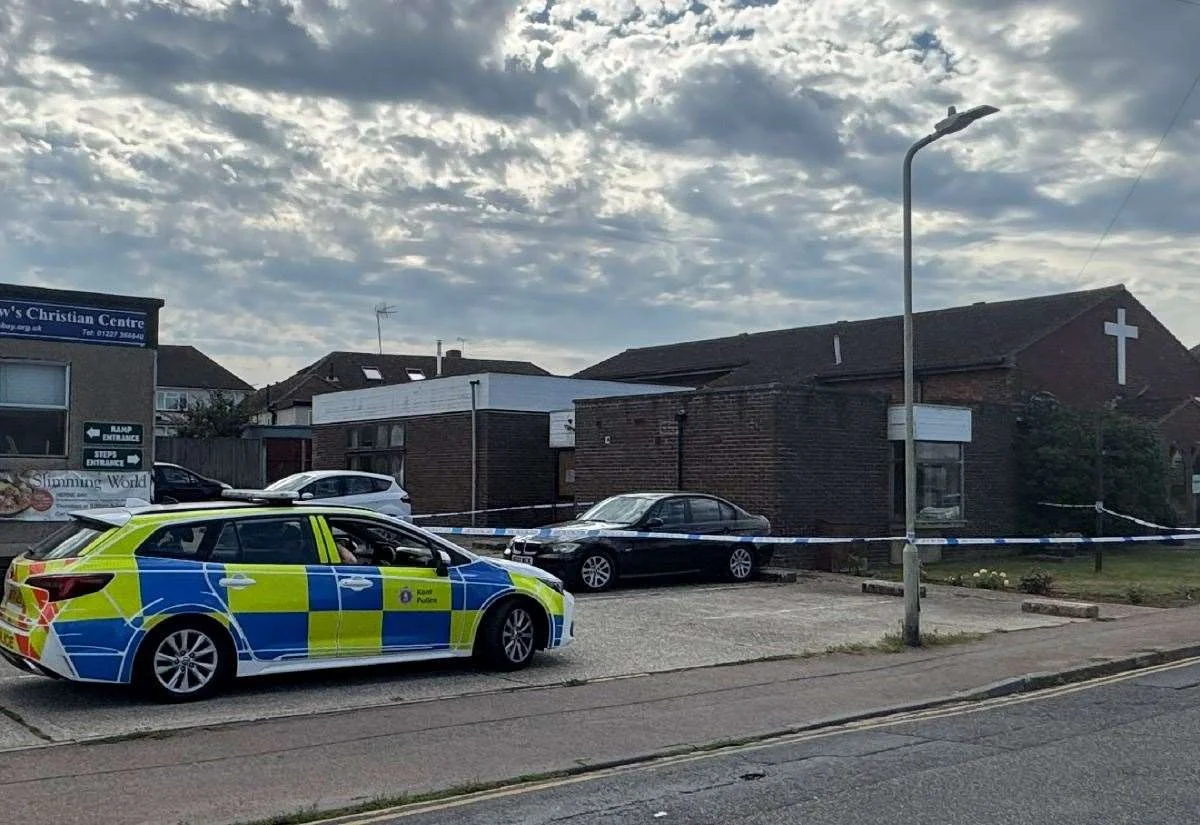
Severity of Injuries: These are not minor scuffles. The victims often suffer critical, life-threatening, or life-changing injuries that require specialized trauma care found in major hospitals.
Geographic Reach: Many of these incidents occur in areas that may not have immediate access to advanced medical facilities, making air transport essential for timely intervention.
Urgency: Time is of the essence in treating severe trauma, especially burns and head injuries. Air ambulances drastically reduce transport times.
Resource Strain: The reliance on air ambulances might also indicate an increasing burden on emergency services dealing with high-casualty violent incidents.
Investigative Questions: Digging Deeper into the Fires of Violence
As a journalist committed to unearthing the truth, I must pose the critical questions that these incidents raise:
Read More: People Protest Worldwide Due to Money Problems
Pattern Recognition: Are the Bacchus Marsh and other arson attacks linked? Is there a coordinated effort, or are these copycat crimes fueled by sensationalist media?
Motive Mysteries: In cases where a specific motive isn't immediately clear (like the Bacchus Marsh incident), what investigations are being undertaken? Are police exploring personal vendettas, organized crime, or ideological motivations?
Preventative Measures: What strategies are being implemented by law enforcement and social services to prevent such brutal assaults from occurring in the first place, rather than just responding after the fact?
Societal Complicity: How does the reporting of such violence, while necessary, inadvertently contribute to its normalization or inspire copycat acts? What is the ethical responsibility of media outlets?
Law Enforcement Capacity: Are police forces adequately resourced and trained to deal with the escalating brutality and specific tactics like arson-based assaults?
Victim Support: Beyond immediate medical care, what long-term support systems are in place for survivors of such horrific attacks?
Justice and Deterrence: What are the current legal frameworks and sentencing guidelines for such extreme acts of violence, and are they effective deterrents?
The Lee Vogler Case: A Microcosm of Targeted Brutality
The case of American councillor Lee Vogler, who was doused in petrol and set on fire in July 2025, offers a detailed, albeit specific, insight into the mechanics of such attacks. Reports indicate the attack stemmed from a "personal matter" rather than his public role, highlighting that extreme violence can erupt from deeply personal disputes.
Read More: New Files Show Sarah Ferguson and Prince Andrew Stayed Friends with Epstein
Key Details from the Vogler Incident:
Attacker's Method: Used a five-gallon container of petrol.
Victim's Condition: Rushed to hospital; later reported as "awake and talking."
Motive: Stated to be a "personal matter" between the attacker and victim.
Perpetrator Link: Attacker and victim knew each other.
This incident, while concerning, shows that often there's a known perpetrator and a direct, albeit twisted, relationship or dispute fueling the attack. This contrasts with the more ambiguous circumstances of the Bacchus Marsh incident, where the motive and perpetrator are still under investigation.
Questions Arising from the Vogler Case:
If the attack was personal, what were the specifics of that dispute?
Were there prior warnings or signs of escalation that were missed?
How prevalent are these deeply personal, yet extraordinarily violent, disputes in society?
Conclusion: A Society on Fire?
The recent assault in Bacchus Marsh, where a man was set alight, is not an isolated tragedy. It is a symptom of a society grappling with escalating violence, where extreme and brutal methods are increasingly employed. The pattern of individuals being deliberately burned, coupled with a general rise in severe assaults requiring air evacuation, demands urgent attention.
Read More: Memorial for Nightclub Fire Victims Burns Down Again
We are witnessing a terrifying trend of premeditated, incendiary violence that leaves victims with catastrophic injuries. The question isn't if these incidents are connected or escalating, but why and what will be done about it. Are our authorities and our communities equipped to address this level of barbarity? Are we fostering an environment where such acts can occur, or are we actively building a bulwark against them? The silence and inaction are as dangerous as the flames themselves. It is imperative that a thorough, no-holds-barred investigation occurs, not just into this specific incident, but into the broader societal factors that might be contributing to this alarming rise in extreme violence. Otherwise, we risk sleepwalking into a future where such horrific acts become the grim norm.
Sources:
3AW: Man believed to have been deliberately set on fire during assault
Irish Mirror: Teen fighting for life in hospital after being 'doused in petrol and set alight'
Daily Star: Teen 'doused in petrol and set alight' as family reveal gruesome injuries
Mirror.co.uk: Councillor doused in petrol and set on fire in front of horrified colleagues
IBTimes.co.uk: Lee Vogler 'Awake and Talking' After Being Doused in Petrol and Set on Fire
BBC News: Man airlifted to hospital after Oswestry fiery crash
BBC News: Man airlifted to hospital after assault in Liskeard town centre
KentOnline: Two arrests after victim of ‘serious assault’ airlifted to hospital
CTV News: Man airlifted to hospital with life-threatening injuries after assault in Nanaimo, B.C.
Bendigo Advertiser: Man, 67, allegedly assaulted and hit with vehicle by hooning drivers in Bendigo
Belfast Live: Man airlifted to hospital in critical condition after assault
WalesOnline: Man airlifted to hospital with life-changing injuries after alleged assault
BBC News: Man airlifted to hospital after fall on Lake District mountain
Read More: Too Many People in Philippine Jails Cause Fights and Harm





:max_bytes(150000):strip_icc():focal(612x1166:614x1168)/Switzerland-accident-fire-020826-02-7cbc5d49ad0f413883178cfd825a77de.jpg)