

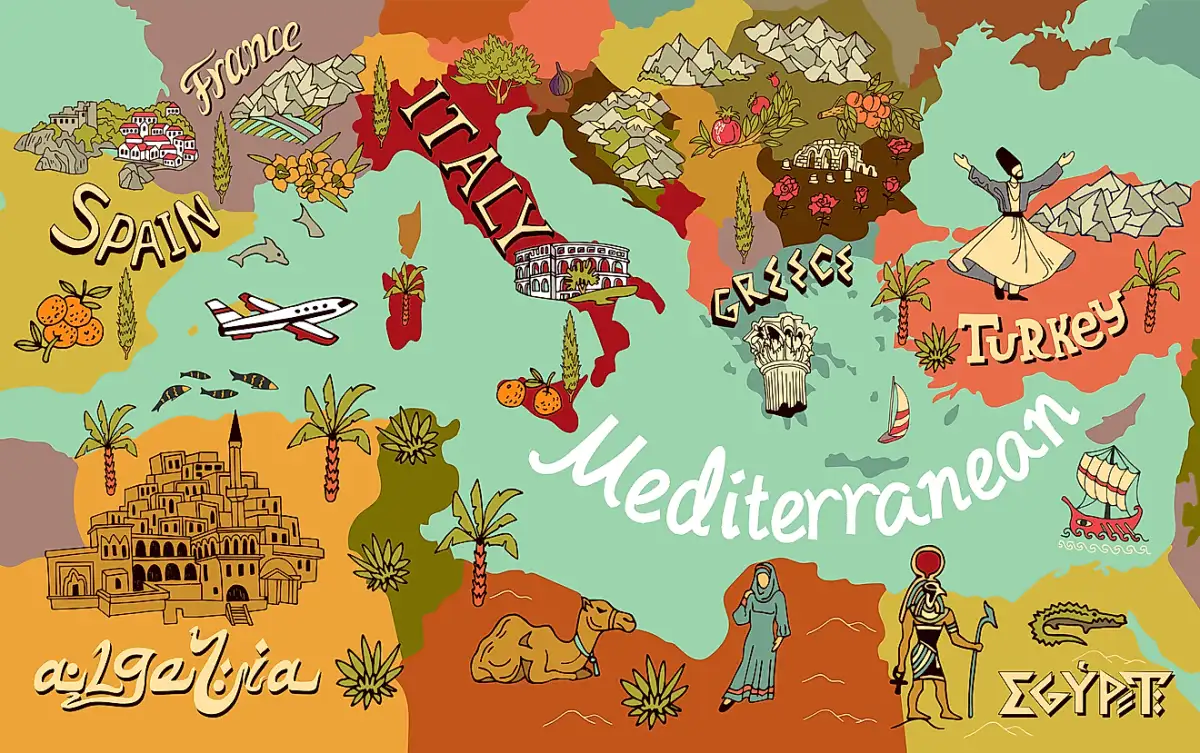
"The Mediterranean region, known for its abundant sunshine and historical resilience against heat, offers insights into keeping living spaces tolerable during sweltering periods."
The enduring architectural traditions of lands bordering the Mediterranean Sea present a stark contrast to modern, often energy-intensive, cooling methods. While contemporary life grapples with rising temperatures, historical approaches to passive cooling, deeply rooted in the region's geography and culture, offer a less consumptive path. These methods, born from necessity and an intimate understanding of the environment, have guided inhabitants for centuries.
Foundations of Natural Cooling
Architectural choices and urban planning in Mediterranean locales historically prioritized natural heat mitigation. These strategies, embedded within the very fabric of the built environment, have proven remarkably effective in maintaining cooler interiors without relying heavily on mechanical systems.

Materiality and Mass: Thick, dense building materials like stone and adobe were common. These substances absorb heat during the day and release it slowly during cooler nights, moderating internal temperatures.
Orientation and Shading: Buildings were often designed with specific orientations to minimize direct sun exposure during peak hours. External elements such as deep eaves, awnings, and strategically planted vegetation provided crucial shade for walls and windows.
Ventilation Design: Courtyards and narrow, winding streets were not merely aesthetic. They facilitated airflow, creating natural ventilation channels that drew cooler air into buildings and allowed hot air to escape. The use of windcatchers or malqaf in some areas further directed breezes indoors.
Color Palettes: Lighter exterior colors, prevalent across many Mediterranean structures, reflect solar radiation rather than absorbing it, contributing to cooler external surface temperatures.
Beyond Bricks and Mortar: Lifestyle Adaptations
The Mediterranean approach extends beyond physical structures to encompass daily routines and consumption patterns.
Dietary Considerations: While the specifics of the 'Mediterranean Diet' are often discussed in health contexts, the emphasis on fruits, vegetables, and whole grains is also linked to hydration and less energy-intensive food preparation. The focus on fresh, seasonal produce naturally aligns with minimizing internal heat from cooking.
Rhythm of Life: Traditional Mediterranean life often incorporated a midday siesta, a period of rest during the hottest part of the day, reducing outdoor activity and energy use.
Water Features: The presence of fountains or small water features, both in public spaces and private courtyards, could have provided localized cooling effects through evaporation.
A Glimpse of the Mediterranean World
The Mediterranean Sea itself is a vast body of water surrounded by 22 countries, spanning Europe, Africa, and Asia. This geographical nexus has fostered diverse cultures and historical interactions, influencing everything from culinary traditions to building practices. Countries such as Greece, Italy, Spain, Morocco, and Turkey are often associated with the broader Mediterranean region and its characteristic architectural and lifestyle adaptations. The enduring legacy of these 'Mediterranean countries' continues to inform contemporary discussions on sustainable living and resilience in a warming world.
Read More: How Geometry in Home Design Creates Balanced and Pleasing Rooms
_d00394c80e_.jpg)

